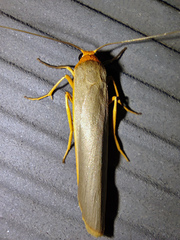
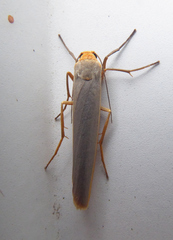
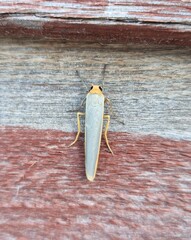
Scarce Footman Moth

Scarce Footman Moth

Manulea complana

Daily sighting probability <5% · Rare
at Vienna

In 3 days ~10% in a week ~20%

13 Verified sightings at Vienna
61 In all 4 parks From 2019 to 2026
August Best month
☀️🌙 Day & Night When it's spotted

About the Scarce Footman Moth

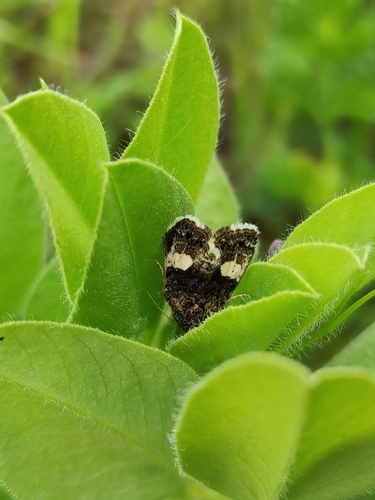
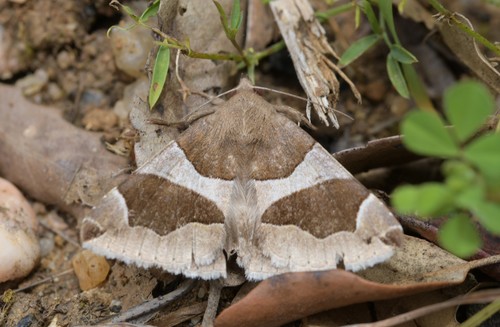
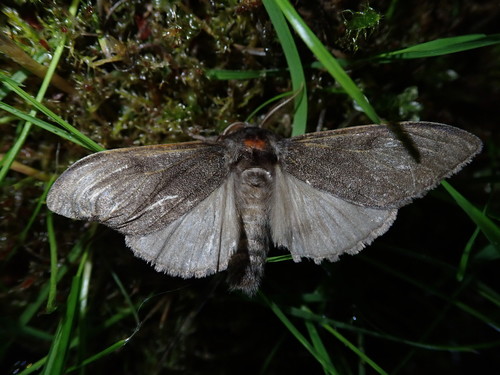
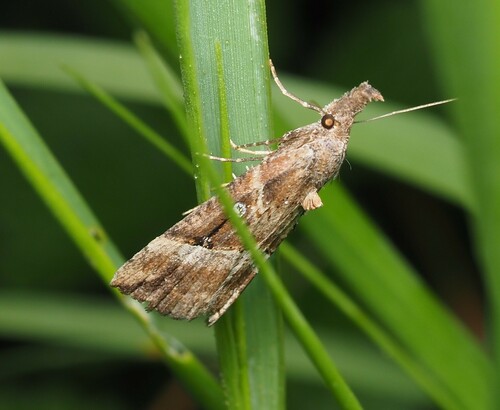
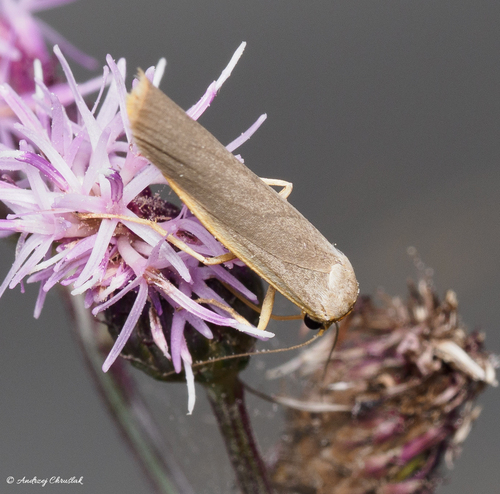
Manulea complana, the scarce footman, is a moth of the family Erebidae. The species was first described by Carl Linnaeus in his 1758 10th edition of Systema Naturae. It is found throughout the Palearctic region. The wingspan is 28–35 mm. It is very like Eilema morosinum (Herrich-Schäffer, [1847]) but the forewing not so elongate, and the angles not so accentuated, the costal streak broader and brighter yellow, the hindwing duller, not so transparent; the apex of the abdomen brighter yellow. On the underside the disc is very blackish iron grey, and contrasts vividly with the orange-yellow costa and the broad pale yellow marginal area. Hindwing beneath pale yellow, the costa deeper yellow; below costa a grey streak from the base.

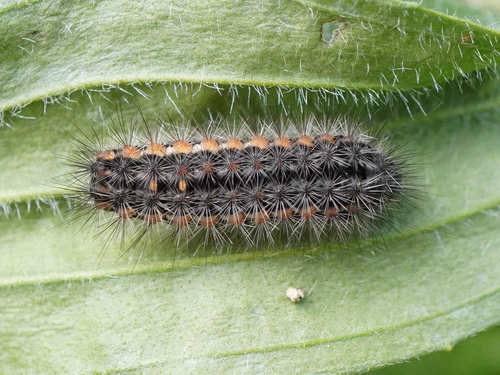
The moth flies from June to August depending on the location. Larva blackish dorsally, with narrow lighter lines; subdorsal lines composed of small reddish yellow and white spots; lateral line interrupted, reddish yellow. The larvae feed on lichens such as Parmelia, and also dry and tender leaves.

Kimber, Ian. "72.046 BF2047 Scarce Footman Eilema complana (Linnaeus... Wikipedia →
Global Distribution

Parks Where Found

# Park Country Daily sighting probability
1 Snowdonia National Park 🇬🇧 United Kingdom
~10%
2 Wadden Sea National Park 🇩🇪 Germany
~10%
3 Bavarian Forest National Park 🇩🇪 Germany
~10%
4 Pyrénées National Park 🇫🇷 France
~10%

Cities Where Found

# City Country Daily sighting probability
1 London 🇬🇧 United Kingdom
~10%
2 Prague 🇨🇿 Czechia
<5%
3 Berlin 🇩🇪 Germany
<5%
4 Birmingham 🇬🇧 United Kingdom
<5%
5 Vienna 🇦🇹 Austria
<5%

Before you go

What are the chances of seeing a Scarce Footman Moth in Vienna?

Rare

Under 5% of wildlife watchers report a Scarce Footman Moth sighting in Vienna on a given day, based on 13 verified sightings from GBIF citizen-science data. It is the 760th most-seen of the 1406 insects we can rate there. Over three days the chance rises to about 10%, and over a week to about 20%, if each day is a fresh chance.

When is the best time to see a Scarce Footman Moth in Vienna?

August

In that month about 10% of wildlife watchers report a Scarce Footman Moth in Vienna on a given day, against under 5% in September to July, the lowest months. That is one of Vienna's wettest months, with about 85 mm of rain against 40 mm in February.

What time of day is best to see a Scarce Footman Moth?

Between 10 pm and 1 am

Across all the parks we cover, that three-hour window holds the most Scarce Footman Moth sightings with a recorded time, and about 7 in 10 of them come between 6 pm and 6 am: it is seen both by day and at night.

Is Vienna the best place to see a Scarce Footman Moth?

5th of 5

Of the 5 cities where we can rate Scarce Footman Moth sightings, Vienna ranks 5th at under 5%. The best odds are in London (United Kingdom, about 10%), Prague (Czechia, under 5%) and Berlin (Germany, under 5%).

Which relatives of the Scarce Footman Moth live in Vienna?

Same family: Erebidae

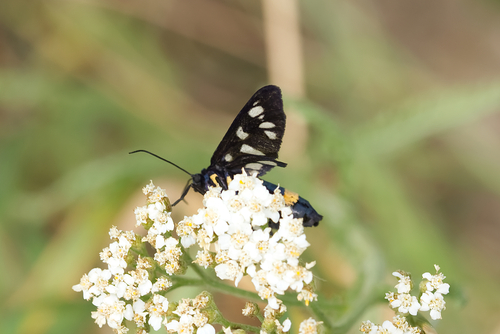
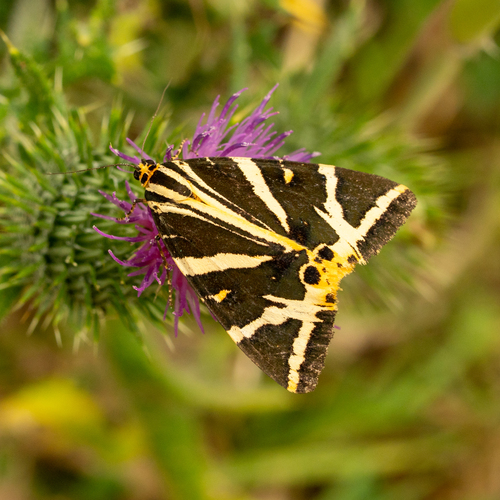
The closest relatives of the Scarce Footman Moth that you can see in Vienna (family Erebidae, Underwing, Tiger, Tussock, and Allied Moths) are Nine-Spotted Moth (about 10%), Four-Spotted Moth (about 10%) and Jersey Tiger (about 10%), with each one's daily chance of a sighting.

Where does the Scarce Footman Moth sighting chance come from?

GBIF citizen-science records

It is estimated from how often the Scarce Footman Moth is recorded against all the insects logged in Vienna (13 verified sightings), calibrated against known sighting rates. Figures are rounded to the nearest 10% because citizen-science data supports honest approximations, not decimals, and months with records from fewer than five people show "—". How it works.

← Back to Vienna