





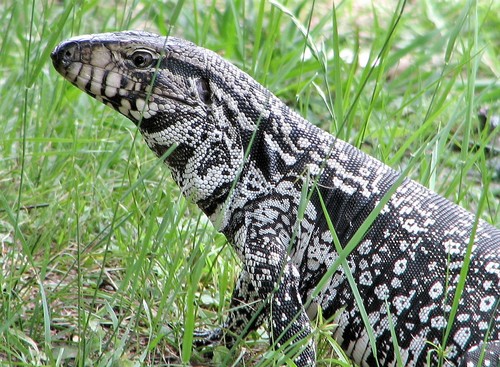


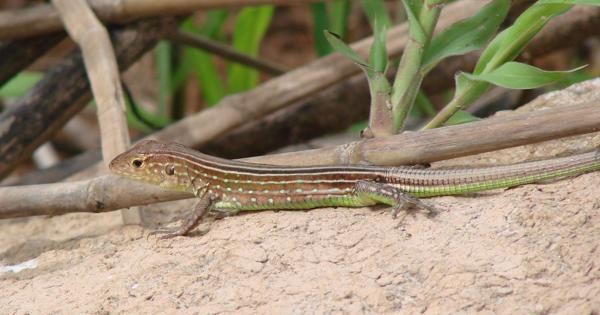


All 5 in 3 days here: ~80%
City
Vitória
🇧🇷 Brazil
South America, Brazil 299 spp. recorded
Vitória is the capital of the state of Espírito Santo, Brazil. It is located on a small island within a bay where a number of rivers meet the sea. Wikipedia
20.322° S 40.358° W
🦜 Nature

299 Species sighted
11,146 Verified sightings From 2019 to 2026
Jan Best month
⭐ Iconic Species
📊 Most Spotted
⭐ Iconic Species
📊 Most Spotted

LC Endemic
Shiny Guinea Pig
Cavia fulgida

LC
 Brown-throated Sloth
Bradypus variegatus
LC
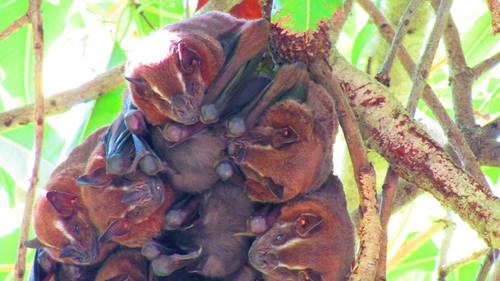
 Great Fruit-eating Bat
Artibeus lituratus

LC
 Pallas's Long-tongued Bat
Glossophaga soricina

LC
 Crab-eating Raccoon
Procyon cancrivorus

LC
 Crab-eating Fox
Cerdocyon thous

LC
 Brazilian Guinea Pig
Cavia aperea

 Azara's Agouti
Dasyprocta azarae

LC
Brown Rat
Rattus norvegicus
⭐ Iconic Species
📊 Most Spotted
📊 Most Spotted

LC
 Pond Slider
Trachemys scripta

LC
 Common Monkey Lizard
Polychrus marmoratus

LC
 Broad-snouted Caiman
Caiman latirostris
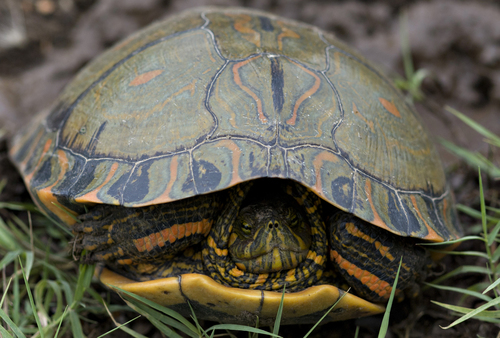
Black-bellied Slider
Trachemys dorbigni

LC
 Northern Woodland Racer
Drymoluber dichrous
📊 Most Spotted

LC
granular toad
Rhinella granulosa

LC
 Criolla Frog
Leptodactylus latrans

LC
 Fuscous-blotched Snouted Tree Frog
Scinax fuscovarius

LC Endemic
Military River Frog
Thoropa miliaris

LC Endemic
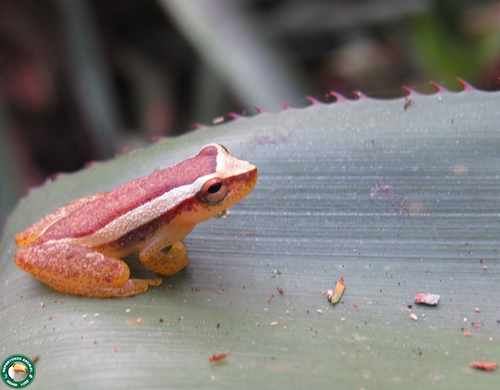
Brazilian coastal treefrog
Dendropsophus decipiens
LC
Haddad's Tree Frog
Dendropsophus haddadi

LC
 Blacksmith Tree Frog
Boana faber

LC
 Striped Toad
Rhinella crucifer

LC Endemic
Rio Lime Treefrog
Sphaenorhynchus planicola

LC Endemic
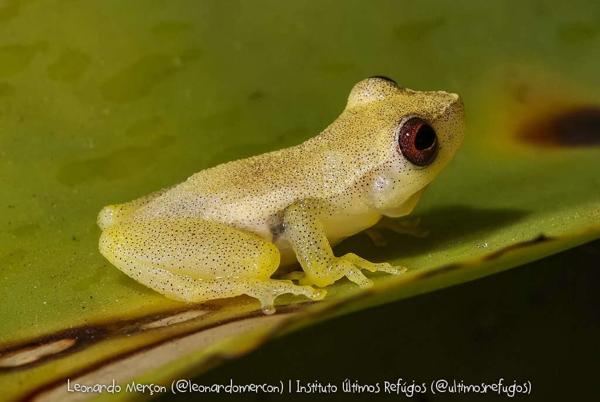
 Rio Mutum Snouted Tree Frog
Ololygon argyreornata
LC Endemic
Bonito Tree Frog
Dendropsophus branneri
📊 Most Spotted
🌙 Most active after dark
LC
Criolla Frog
Leptodactylus latrans
LC
Fuscous-blotched Snouted Tree Frog
Scinax fuscovarius
LC
Haddad's Tree Frog
Dendropsophus haddadi
LC
Striped Toad
Rhinella crucifer
LC
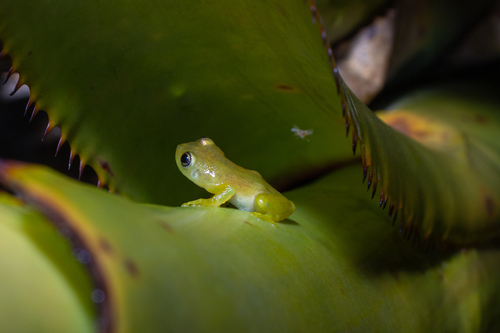
Yellow Heart-tongued Frog
Phyllodytes luteolus
LC
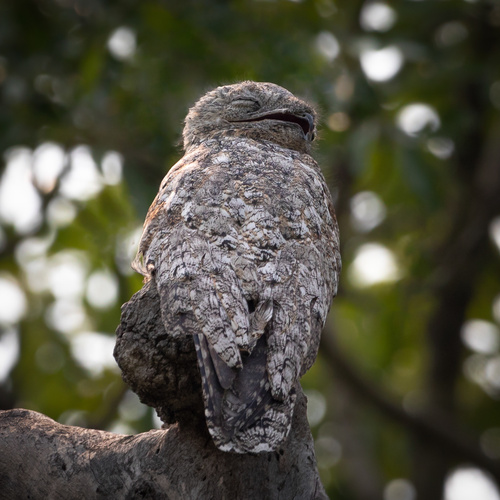
 Great Potoo
Nyctibius grandis
LC
Pallas's Long-tongued Bat
Glossophaga soricina
LC
Crab-eating Fox
Cerdocyon thous

LC
 Tawny-browed Owl
Pulsatrix koeniswaldiana
Challenges you can complete here
Recent sightings in Vitória
LIVEiNaturalistWhere to look
Warmer areas are where all species together are recorded most often.
-
Ponte Camburi e Pier de Iemanjá
-
Quality Hotel, Vitoria






Sighting Calendar
How many species you'd see in a day
33Jan
27Feb
30Mar
31Apr
29May
30Jun
31Jul
31Aug
27Sep
29Oct
31Nov
28Dec
🏙️ City
Essentials
Green cover
Medium
Protected land
7%
Protected sea
4%
Protected areas
15
areasWildlife spots
4
spotsZoos & centres
0
placesClimate
Tropical monsoon
World Heritage
No
Climate
Temp °C Rain mm
JanFebMarAprMayJunJulAugSepOctNovDec
0.0 Excellent
Wallace's Line Score
How good is this city for seeing wildlife? 🦜
Biodiversity
ExcellentHow rich is the wildlife?
5.0
Species by taxon
🦅 Birds 600
🐒 Mammals 215
🦎 Reptiles 121
🐸 Amphibians 110
1046 Total Species
679 Global average across 380 cities
52 Threatened 101 Endemic
🔭
Sighting
GoodHow likely to see animals?
3.5
🎯
Top-12 Avg Probability
64% 📊
Coverage (123 species at ≥5% of 1046 in the inventory)
12% 🔀
Taxon variety in top 12 (12 bird)
0% 🌟
Iconic-group species (≥15%) (every species from the 19 iconic groups — monkeys, cats, toucans, macaws, sloths, crocodilians… — not just the 4 highlighted above)
2 ⭐
High-prob species (>40%)
13 🏕️
Experience
ExcellentHow easy and pleasant is the visit?
4.5
Climate Pleasant High
Green cover Medium Medium
Protected land & sea 7% land · 4% sea High
Protected areas 15 High
Wildlife spots 4 Medium
Zoos & centres 0 Low
What visitors say
Before you go
What animals can you see in Vitória?
299 species
Vitória's urban area has 299 recorded vertebrate species. The ones wildlife watchers report most often on a given day are Great Kiskadee (about 90%), Black Vulture (about 90%), Saffron Finch (about 70%), Picazuro Pigeon (about 70%) and Tropical Kingbird (about 60%). Among mammals, the most-seen is Geoffroy’s Tufted-ear Marmoset (about 40%); among reptiles, Amazon Lava Lizard (about 30%); among amphibians, White-edged Treefrog (about 10%).
When is the best time to see wildlife in Vitória?
February, April–May and November–December
In those months the city's 12 most-seen species average about 70% on a given day, against about 60% in January, March and June–October.
Can you see a Geoffroy’s Tufted-ear Marmoset in Vitória?
Yes
About 40% of wildlife watchers report a Geoffroy’s Tufted-ear Marmoset sighting in Vitória on a given day, based on 109 verified sightings from GBIF citizen-science data from 2019 to 2026. The best time is February–March and August–November (about 40%).
Can you see a Picazuro Pigeon in Vitória?
Yes
About 70% of wildlife watchers report a Picazuro Pigeon sighting in Vitória on a given day, based on 380 verified sightings from GBIF citizen-science data from 2019 to 2026. The best time is February–March and May (about 80%).
Can you see a Great Kiskadee in Vitória?
Yes
About 90% of wildlife watchers report a Great Kiskadee sighting in Vitória on a given day, based on 593 verified sightings from GBIF citizen-science data from 2019 to 2026. The best time is July and November (over 90%).
Where in Vitória is wildlife easiest to see?
Vitória--UFES
The spot where most wildlife watchers record their sightings is Vitória--UFES (118 bird species recorded), followed by Ilha do Boi and Ponte Camburi e Pier de Iemanjá. See them on the map.
Is Vitória good for wildlife watching?
4.0 out of 5
On the Wallace's Line Score, which rates each city against other cities, Vitória gets 4.0/5: 246th of 380 cities worldwide and 39th in South America. 17 of its species are reported by about 40% or more of wildlife watchers on a given day.
Nearest Cities


Nearest Parks


Nearest Zoos & Centres


Sources: urban area GHSL Urban Centre Database R2024A, European Commission JRC (CC BY 4.0) · protected land WDPA, UNEP-WCMC & IUCN (via GHSL) · climate NASA POWER · wildlife GBIF.org citizen-science data