


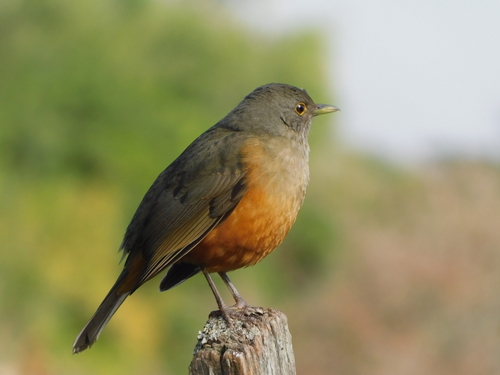


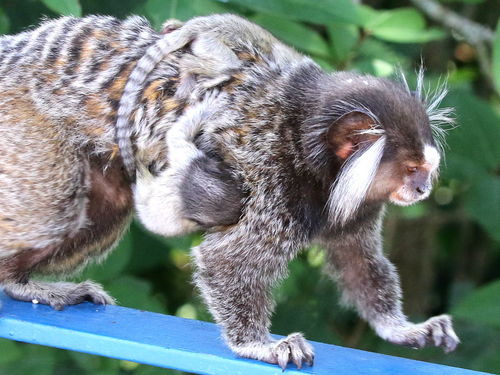

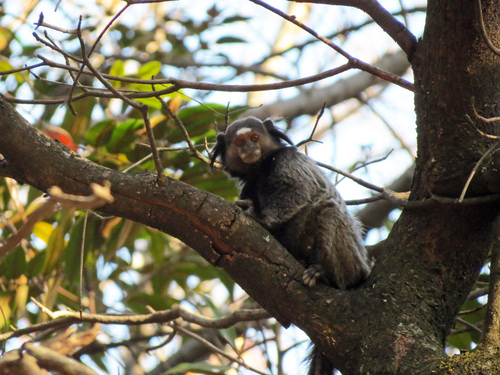


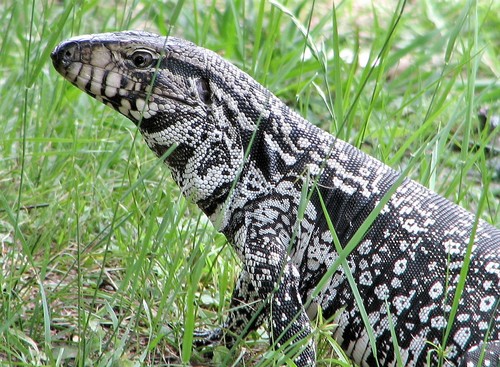


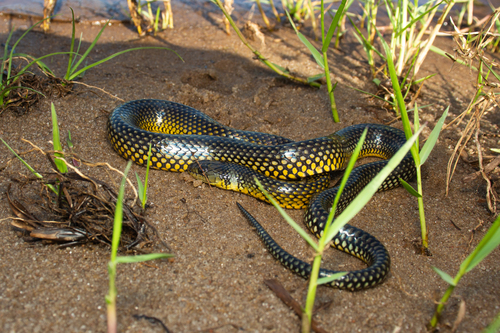


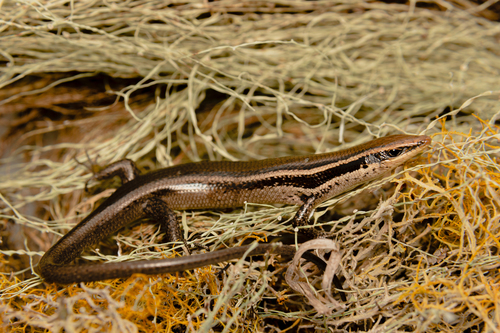


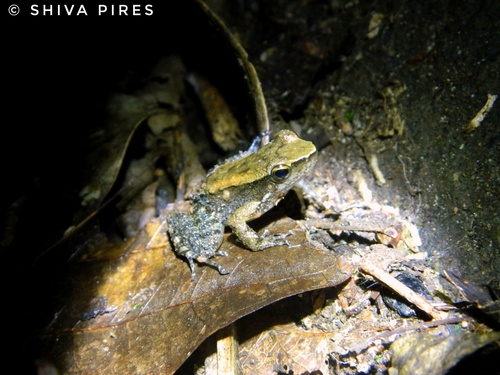

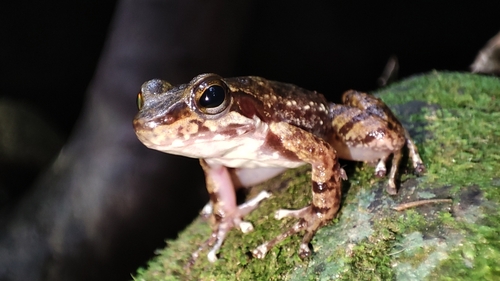


All 5 in 3 days here: ~90%
Tijuca National Park
🇧🇷 Brazil
Rio de Janeiro, Brazil 1214 spp. recorded
Tijuca is Atlantic forest inside Rio de Janeiro, replanted in the 19th century and now dense enough to hold its own fauna. Black-horned capuchins are recorded on nearly nine visits in ten and channel-billed toucans on more than half.
-22.949° S 43.287° W
🦜 Nature

441 Species sighted
76,434 Verified sightings From 2019 to 2026
Nov Best month
⭐ Iconic Species
📊 Most Spotted
⭐ Iconic Species
📊 Most Spotted
⭐ Iconic Species
📊 Most Spotted
📊 Most Spotted
📊 Most Spotted
📊 Most Spotted
+ 752 more species with insufficient data
Challenges you can complete here


All 3 in 3 days here: ~20%
Recent sightings in Tijuca National Park
LIVEiNaturalistSighting Calendar
How many species you'd see in a day
36Jan
35Feb
35Mar
37Apr
35May
35Jun
35Jul
34Aug
37Sep
35Oct
38Nov
38Dec
Sighting Zones
Warmer areas are where all species together are recorded most often.
-
Parque Estadual do Grajaú
Daily sight. prob.vs avg -
Jardim Botânico do Rio de Janeiro
Daily sight. prob.vs avg Great Kiskadee~80%-10%
 Amazon Lava Lizard~70%+40%
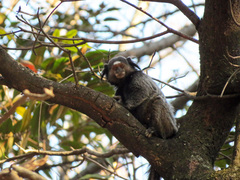 Black-pencilled Marmoset~70%+40%
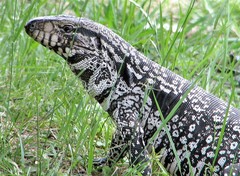 Argentine Black-and-white Tegu~60%+30%
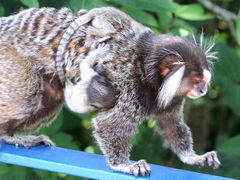 Common Marmoset~60%+30%
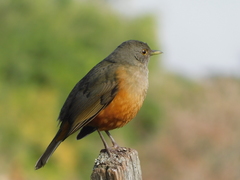 Rufous-bellied Thrush~60%-10%
 Masked Water-Tyrant~60%≈
 Palm Tanager~60%-20%
 Channel-billed Toucan~60%+20%
 Pale-breasted Thrush~60%-10%
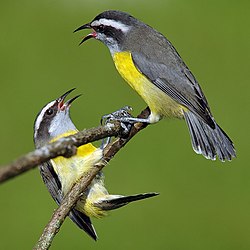 Bananaquit~50%-20%
 Ruddy Ground-Dove~50%-20%
-
Rio de Janeiro · Rua Sabóia Lima
Daily sight. prob.vs avg Mono Cai~90%+50%
- Great Kiskadee~80%-10%
- Bananaquit~70%-10%
 South American Yellowfoot Tortoise~60%+50%
- Ruddy Ground-Dove~60%-10%
 Southern House Wren~60%-20%
- Palm Tanager~60%-20%
 Tropical House Gecko~50%+30%
- Black-pencilled Marmoset~50%+20%
 Gray-headed Tody-Flycatcher~50%≈
 Social Flycatcher~40%-20%
- Pale-breasted Thrush~40%-30%
-
Setor Floresta da Tijuca
Daily sight. prob.vs avg South American Coati~80%+50%
- Channel-billed Toucan~70%+30%
 Green-headed Tanager~70%+40%
 Black Vulture~60%-10%
- Gray-headed Tody-Flycatcher~60%+10%
- Southern House Wren~60%-20%
- Argentine Black-and-white Tegu~50%+30%
- Bananaquit~50%-30%
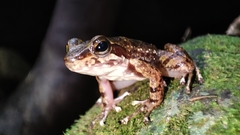 Santa Catarina Tree Toad~50%+40%
- Mono Cai~50%+10%
- Pale-breasted Thrush~50%-20%
 Hoge's Mabuya~40%+40%
-
Ticket Office for Christo Redentor
Daily sight. prob.vs avg


🏕️ Experience
Essentials
Entrance
Paid
Tourism
High
Typical stay
1
dayTrails
Hard
World Heritage
No
Climate
Temp °C Rain mm
JanFebMarAprMayJunJulAugSepOctNovDec
0.0 Good
Wallace's Line Score
How good is this park for seeing wildlife? 🦜
Biodiversity
ExcellentHow rich is the wildlife?
5.0
Species by taxon
🦅 Birds 717
🐒 Mammals 224
🦎 Reptiles 134
🐸 Amphibians 139
1214 Total Species
828 Global average across 316 parks
63 Threatened 210 Endemic
🔭
Sighting
GoodHow likely to see animals?
3.1
🎯
Top-12 Avg Probability
72% 📊
Coverage (138 species at ≥5% of 1214 in the inventory)
11% 🔀
Taxon variety in top 12 (12 bird)
0% 🔭
Species per 10 outings (distinct species a visitor would meet over 10 outings — effort held equal across parks)
91 🌟
Iconic-group species (≥15%) (every species from the 19 iconic groups — monkeys, cats, toucans, macaws, sloths, crocodilians… — not just the 4 highlighted above)
14 ⭐
High-prob species (>40%)
20 🏕️
Experience
GoodHow easy and pleasant is the visit?
3.3
Climate Pleasant High
Entrance Paid Low
Tourism High Low
Trails Hard Low
World Heritage No —
What visitors say
My best birding experience on this hike was when I found a group of male Swallow-tailed Manakins.
Despite our short visit, I was thrilled to have some time to find a few animal subjects to photograph in Tijuca National Forest – unlike last week’s targets, these rarely sat still.
We had another guided tour on our 3rd day in Rio, this time a visit to Tijuca National Park, the largest urban forest (a large forest in the middle of a city in case Casey asks) in the world!
Our formal tour had ended and we have a flight home schedule to leave at 10:00 pm but we had one more opportunity for a morning excursion in Rio so we chose one that wasn’t too energetic- a jeep tour right into the heart of the Tijuca National Park Forest.
Before you go
What animals can you see in Tijuca National Park?
1,214 species
Tijuca National Park has 1,214 recorded vertebrate species. The ones wildlife watchers report most often on a given day are Great Kiskadee (about 90%), Palm Tanager (about 80%), Bananaquit (about 80%), Southern House Wren (about 80%) and Ruddy Ground-Dove (about 70%). Among mammals, the most-seen is Mono Cai (about 40%); among reptiles, Amazon Lava Lizard (about 30%); among amphibians, Ornate Forest toad (about 20%).
When is the best time to visit Tijuca National Park for wildlife?
December
In that month the park's 12 most-seen species average about 80% on a given day, against about 70% in January to November.
Can you see a Mono Cai in Tijuca National Park?
Yes
About 40% of wildlife watchers report a Mono Cai sighting in Tijuca National Park on a given day, based on 618 verified sightings from GBIF citizen-science data from 2019 to 2026. The best time is May and August (about 50%).
Can you see a Channel-billed Toucan in Tijuca National Park?
Yes
About 40% of wildlife watchers report a Channel-billed Toucan sighting in Tijuca National Park on a given day, based on 1,424 verified sightings from GBIF citizen-science data from 2019 to 2026. The best time is June and November (about 50%).
Can you see a South American Coati in Tijuca National Park?
Yes
About 30% of wildlife watchers report a South American Coati sighting in Tijuca National Park on a given day, based on 148 verified sightings from GBIF citizen-science data from 2019 to 2026. The best time is March, May and July–September (about 40%).
Can you see a Green-headed Tanager in Tijuca National Park?
Yes
About 30% of wildlife watchers report a Green-headed Tanager sighting in Tijuca National Park on a given day, based on 1,000 verified sightings from GBIF citizen-science data from 2019 to 2026. The best time is June and November–December (about 40%).
Where in Tijuca National Park is wildlife easiest to see?
Around Parque Estadual do Grajaú
The richest sighting zone is around Parque Estadual do Grajaú, followed by Jardim Botânico do Rio de Janeiro and Rio de Janeiro · Rua Sabóia Lima, ranked by how many of the park's headline animals visitors can expect to see in each. See the zones on the map.
Is Tijuca National Park good for wildlife watching?
3.7 out of 5
On the Wallace's Line Score, Tijuca National Park rates 3.7/5: 150th of 316 parks worldwide and 21st in South America. 23 of its species are reported by about 40% or more of wildlife watchers on a given day.


