












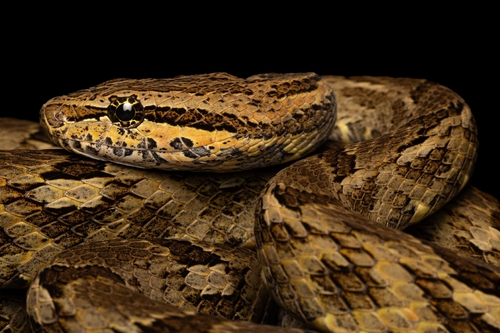


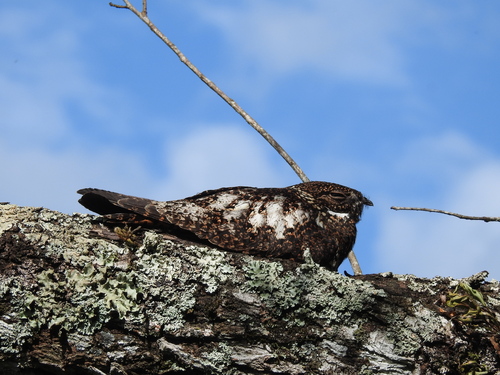


All 5 in 3 days here: ~10%
Itatiaia National Park
🇧🇷 Brazil
Rio de Janeiro, Brazil 1276 spp. recorded
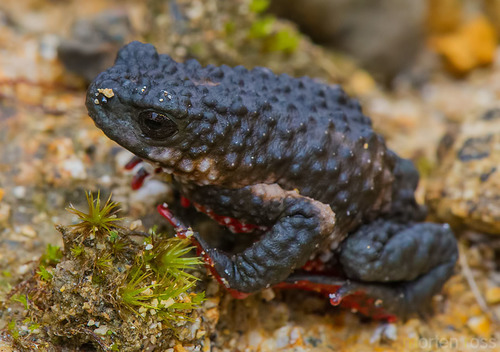
Itatiaia stacks Atlantic forest below and open alpine grassland above 2,000 m, and each level has its own animal. Black-horned capuchins are recorded on nine visits in ten in the lower forest, and the Itatiaia highland toad — a small dark frog that lives only on these summits — on nearly as many trips to the top.
-22.361° S 44.667° W
🦜 Nature

520 Species sighted
102,738 Verified sightings From 2019 to 2026
Sep Best month
⭐ Iconic Species
📊 Most Spotted
⭐ Iconic Species
📊 Most Spotted
📊 Most Spotted
⭐ Iconic Species
📊 Most Spotted
📊 Most Spotted
🌙 Most active after dark
+ 640 more species with insufficient data
Challenges you can complete here
Recent sightings in Itatiaia National Park
LIVEiNaturalistSighting Calendar
How many species you'd see in a day
55Jan
48Feb
55Mar
64Apr
52May
57Jun
55Jul
54Aug
68Sep
67Oct
66Nov
55Dec
Sighting Zones
Warmer areas are where all species together are recorded most often.
-
Hotel do Ypê
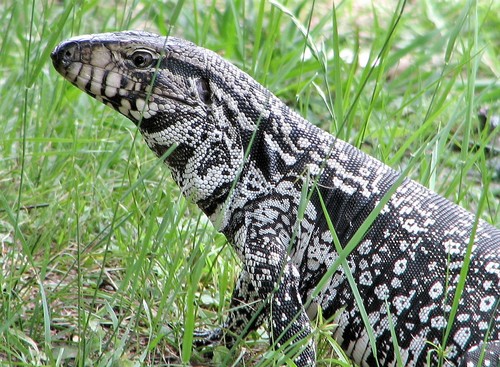
Daily sight. prob.vs avg Argentine Black-and-white Tegu~70%+30%
 Yellow Cururu Toad~70%+30%
 Tropical House Gecko~60%+30%
 Dusky-legged Guan~50%-20%
 Tayra~50%+30%
 Maroon-bellied Parakeet~50%≈
 Neuwied's False Fer-de-lance~50%+30%
 Yarará Lancehead~50%+30%
 Southern House Wren~50%-10%
 Saffron Finch~40%-20%
 Violet-capped Woodnymph~40%-10%
 Rufous-collared Sparrow~40%-40%
-
Resende · Sítio da Cachoeira
Daily sight. prob.vs avg Mono Cai>90%+60%
- Saffron Finch~70%+10%
 Brazilian Ruby~50%-10%
- Southern House Wren~50%≈
- Violet-capped Woodnymph~50%≈
- Rufous-collared Sparrow~50%-30%
 Picazuro Pigeon~40%-20%
 Rufous-bellied Thrush~40%-20%
 White-eyed Parakeet~30%-20%
 Golden-crowned Warbler~30%-40%
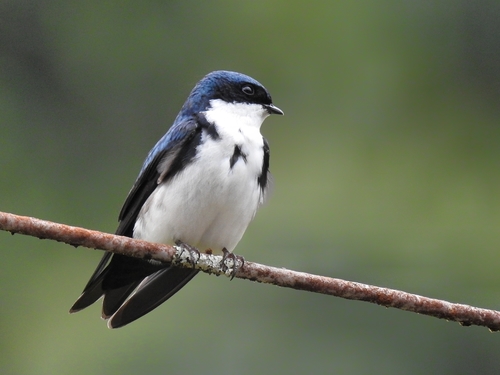
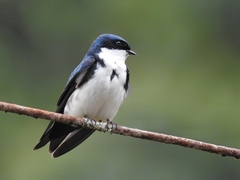 Blue-and-white Swallow~30%-30%
- Maroon-bellied Parakeet~30%-30%
-
Mirante do Último Adeus
-
Parte alta
-
Agulhas Negras Road (MG; 1700-2200m)
Daily sight. prob.vs avg- Rufous-collared Sparrow~50%-30%
- Golden-crowned Warbler~40%-30%
 Black-and-gold Cotinga~30%+10%
- Brazilian Ruby~30%-30%
- Picazuro Pigeon~20%-40%
- Dusky-legged Guan~20%-50%
- Rufous-bellied Thrush~20%-40%
- White-eyed Parakeet~20%-40%
- Maroon-bellied Parakeet~10%-50%
- Blue-and-white Swallow~10%-40%
 Red-breasted Toucan~10%-40%
- Saffron Finch~10%-60%


🏕️ Experience
Essentials
Entrance
Paid
Tourism
Medium
Typical stay
2–3
daysTrails
Hard
World Heritage
No
Climate
Temp °C Rain mm
JanFebMarAprMayJunJulAugSepOctNovDec
0.0 Excellent
Wallace's Line Score
How good is this park for seeing wildlife? 🦜
Biodiversity
ExcellentHow rich is the wildlife?
5.0
Species by taxon
🦅 Birds 780
🐒 Mammals 200
🦎 Reptiles 155
🐸 Amphibians 141
1276 Total Species
828 Global average across 316 parks
52 Threatened 211 Endemic
🔭
Sighting
Very goodHow likely to see animals?
3.5
🎯
Top-12 Avg Probability
63% 📊
Coverage (262 species at ≥5% of 1276 in the inventory)
21% 🔀
Taxon variety in top 12 (12 bird)
0% 🔭
Species per 10 outings (distinct species a visitor would meet over 10 outings — effort held equal across parks)
192 🌟
Iconic-group species (≥15%) (every species from the 19 iconic groups — monkeys, cats, toucans, macaws, sloths, crocodilians… — not just the 4 highlighted above)
11 ⭐
High-prob species (>40%)
41 🏕️
Experience
GoodHow easy and pleasant is the visit?
2.9
Climate Harsh Low
Entrance Paid Low
Tourism Medium Medium
Trails Hard Low
World Heritage No —
What visitors say
We found the nest of a Blue-naped Chlorophonia in a mossy boulder and had smashing looks at Slaty Bristlefront, a tapaculo that is normally difficult to see.
White-throated Spadebill White-throated Spadebill Lesser Woodcreeper Brown-breasted Pygmy-Tyrant While Crested Caracara are ubiquitous and can be found in many habitats, we weren’t really expecting to see one this high and in such a foggy environment.
We quickly moved towards a small flock with a Large-tailed Antshrike male singing in the bamboo bushes! and kept birding along the road until we finally reached a high area and watched one of the most range restricted birds here, the Itatiaia Spinetail!
Lucie stayed longer, and together we went to the Upper Section of Itatiaia National Park, exploring the higher-elevation habitats and searching for some of the characteristic species of the region.
Before you go
What animals can you see in Itatiaia National Park?
1,276 species
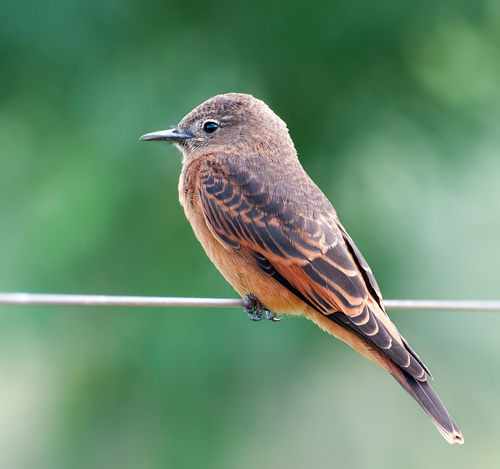
Itatiaia National Park has 1,276 recorded vertebrate species. The ones wildlife watchers report most often on a given day are Rufous-collared Sparrow (about 80%), Dusky-legged Guan (about 70%), Golden-crowned Warbler (about 70%), Saffron Finch (about 60%) and Rufous-bellied Thrush (about 60%). Among mammals, the most-seen is Mono Cai (about 40%); among reptiles, Argentine Black-and-white Tegu (about 40%); among amphibians, Maldonada redbelly toad (about 40%).
When is the best time to visit Itatiaia National Park for wildlife?
April and September–November
In those months the park's 12 most-seen species average about 70% on a given day, against about 50% in February.
Can you see a Mono Cai in Itatiaia National Park?
Yes
About 40% of wildlife watchers report a Mono Cai sighting in Itatiaia National Park on a given day, based on 124 verified sightings from GBIF citizen-science data from 2019 to 2026. The best time is August (about 60%).
Can you see a Maldonada redbelly toad in Itatiaia National Park?
Yes
About 40% of wildlife watchers report a Maldonada redbelly toad sighting in Itatiaia National Park on a given day, based on 63 verified sightings from GBIF citizen-science data from 2019 to 2026. The best time is November (about 70%).
Can you see a Red-breasted Toucan in Itatiaia National Park?
Yes
About 50% of wildlife watchers report a Red-breasted Toucan sighting in Itatiaia National Park on a given day, based on 968 verified sightings from GBIF citizen-science data from 2019 to 2026. The best time is September to November (about 60%).
Can you see a Black-and-gold Cotinga in Itatiaia National Park?
Yes
About 20% of wildlife watchers report a Black-and-gold Cotinga sighting in Itatiaia National Park on a given day, based on 362 verified sightings from GBIF citizen-science data from 2019 to 2026. The best time is February, April and June–December (about 20%).
Where in Itatiaia National Park is wildlife easiest to see?
Around Hotel do Ypê
The richest sighting zone is around Hotel do Ypê, followed by Resende · Sítio da Cachoeira and Mirante do Último Adeus, ranked by how many of the park's headline animals visitors can expect to see in each. See the zones on the map.
Is Itatiaia National Park good for wildlife watching?
3.9 out of 5
On the Wallace's Line Score, Itatiaia National Park rates 3.9/5: 121st of 316 parks worldwide and 17th in South America. 55 of its species are reported by about 40% or more of wildlife watchers on a given day.


