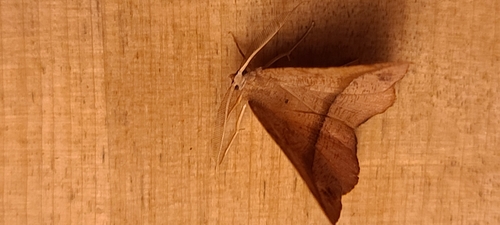
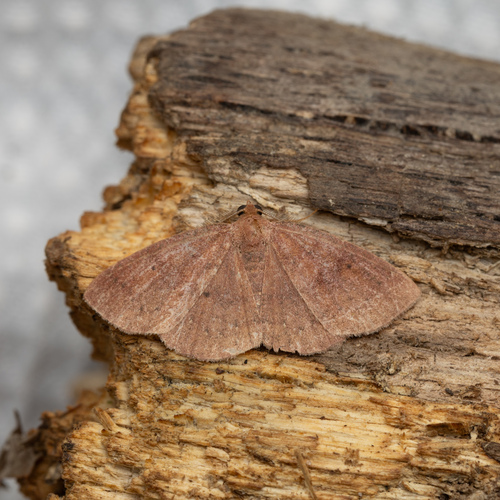
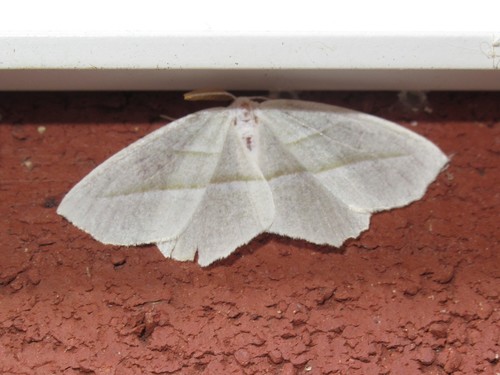
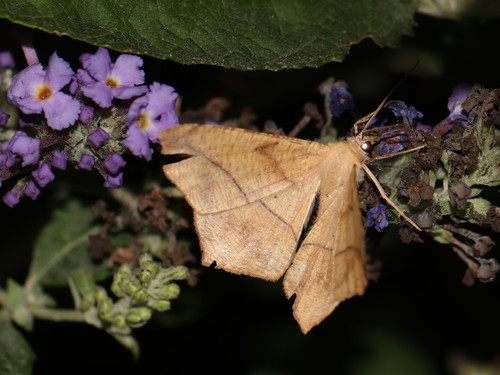
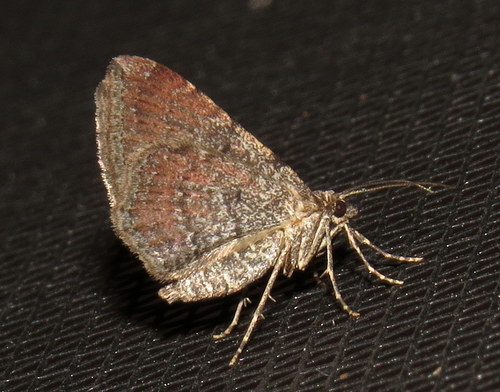
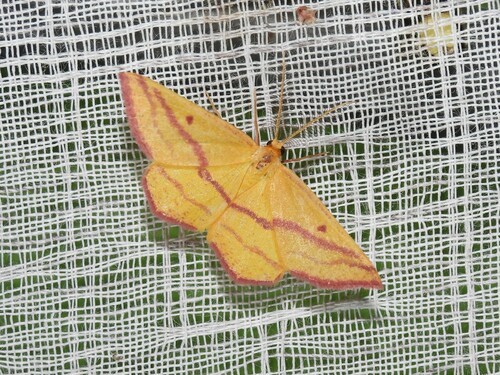
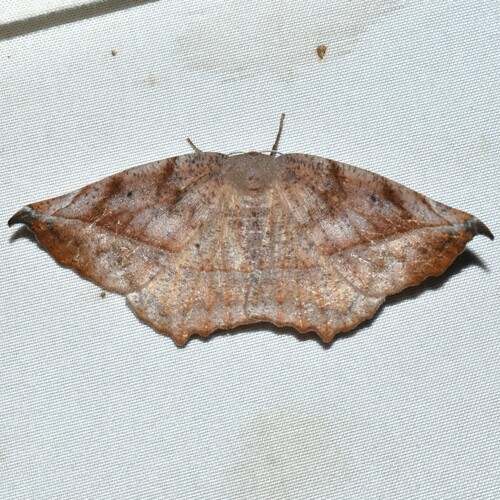
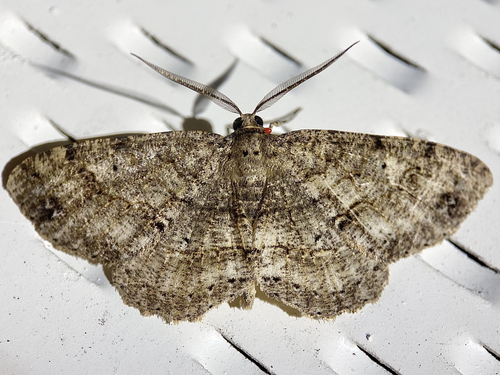
Porcelain Gray

Porcelain Gray

Protoboarmia porcelaria

Daily sighting probability <5% · Rare
at Washington

In 3 days ~10% in a week ~20%

50 Verified sightings at Washington
51 In all 4 parks From 2019 to 2026
August Best month
☀️🌙 Day & Night When it's spotted

About the Porcelain Gray

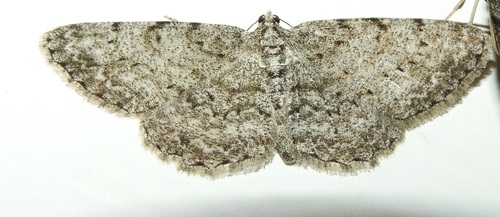
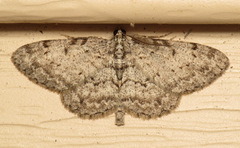
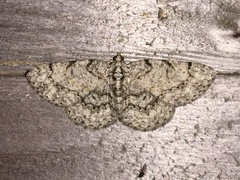
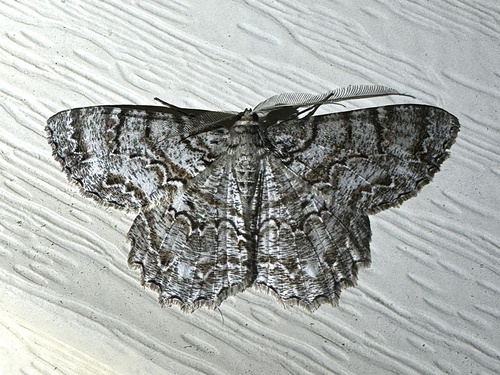
Protoboarmia porcelaria, the porcelain gray or dash-lined looper, is a moth in the Geometrid family found throughout North America, primarily in the east and northwest. The species was first described by Achille Guenée in 1857.

Adults have a wingspan of 27–30 mm. The wings are brown gray and have crossed brown/gray curved lines. At least one of these lines has a small tooth-like dentation along the length. There is a blotch of black at the postmedian start and a discal spot where the antemedian line crosses the costa. The hindwing discal mark is usually in the center.

Mature caterpillars are 25 mm in length and have a distinct Y-pattern on segments one through six. There is only one generation a year in the northern range while there are two in its southern range. The head is gray with a cream colored herringbone pattern on the lobes. The body is slim and is mottled gray and white with a white dorsum.

The female lays around 150 eggs on the foliage of host plants in July. Adults are seen from May to September. The larvae overwinter in their penultimate instar stage. The larvae awaken and begin feeding... Wikipedia →

Global Distribution

Parks Where Found

# Park Country Daily sighting probability
1 Gros Morne National Park 🇨🇦 Canada
~10%
2 Great Smoky Mountains National Park 🇺🇸 United States
~10%
3 Acadia National Park 🇺🇸 United States
~10%
4 Shenandoah National Park 🇺🇸 United States
<5%

Cities Where Found

# City Country Daily sighting probability
1 Philadelphia 🇺🇸 United States
<5%
2 Baltimore 🇺🇸 United States
<5%
3 Washington 🇺🇸 United States
<5%
4 Boston 🇺🇸 United States
<5%
5 New York City 🇺🇸 United States
<5%
6 Toronto 🇨🇦 Canada
<5%
7 Chicago 🇺🇸 United States
<5%

Before you go

What are the chances of seeing a Porcelain Gray in Washington?

Rare

Under 5% of wildlife watchers report a Porcelain Gray sighting in Washington on a given day, based on 50 verified sightings from GBIF citizen-science data. It is the 458th most-seen of the 1807 insects we can rate there. Over three days the chance rises to about 10%, and over a week to about 20%, if each day is a fresh chance.

When is the best time to see a Porcelain Gray in Washington?

August

In that month about 10% of wildlife watchers report a Porcelain Gray in Washington on a given day, against under 5% in September to July, the lowest months.

What time of day is best to see a Porcelain Gray?

Between 10 pm and 1 am

Across all the parks we cover, that three-hour window holds the most Porcelain Gray sightings with a recorded time, and about 6 in 10 of them come between 6 pm and 6 am: it is seen both by day and at night.

Is Washington the best place to see a Porcelain Gray?

Among the best

Of the 7 cities where we can rate Porcelain Gray sightings, Washington ranks 3rd at under 5%, level with the leaders once rounded. The best odds are in Philadelphia (United States, under 5%) and Baltimore (United States, under 5%).

Which relatives of the Porcelain Gray live in Washington?

Same family: Geometridae

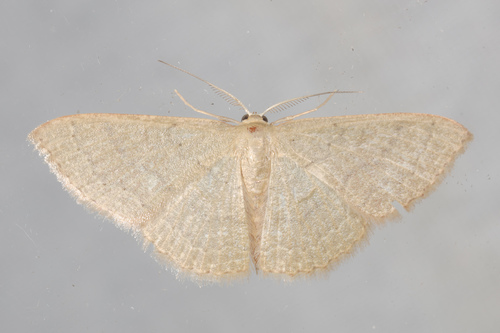
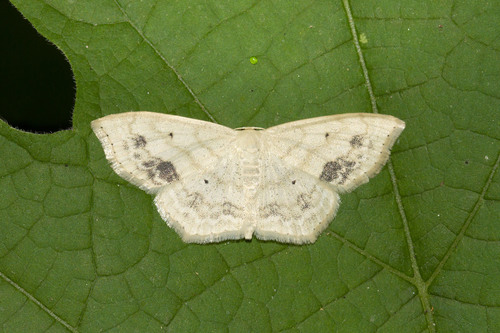
The closest relatives of the Porcelain Gray that you can see in Washington (family Geometridae, Geometer Moths) are Tulip-Tree Beauty (about 10%), Common Tan Wave (about 10%) and Large Lace-Border Moth (about 10%), with each one's daily chance of a sighting.

Where does the Porcelain Gray sighting chance come from?

GBIF citizen-science records

It is estimated from how often the Porcelain Gray is recorded against all the insects logged in Washington (50 verified sightings), calibrated against known sighting rates. Figures are rounded to the nearest 10% because citizen-science data supports honest approximations, not decimals, and months with records from fewer than five people show "—". How it works.

← Back to Washington