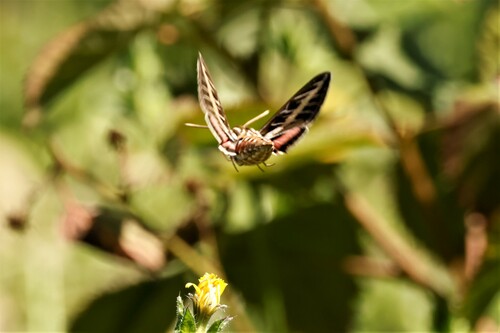
Virginia Creeper Sphinx

Virginia Creeper Sphinx

Darapsa myron

Daily sighting probability <5% · Rare
at Washington

In 3 days ~10% in a week ~20%

63 Verified sightings at Washington
123 In all 5 parks From 2019 to 2026
July Best month
☀️🌙 Day & Night When it's spotted

About the Virginia Creeper Sphinx

Darapsa myron, the Virginia creeper sphinx or the Green Grapevine Sphinx, is a species of moth in the family Sphingidae. It is found in central and eastern North America. in Canada it is found in southern Ontario and Quebec, and in the United States is found from Maine south to south Florida; west to North Dakota, Nebraska, New Mexico, Oklahoma, and Texas. It is also found in Mexico.

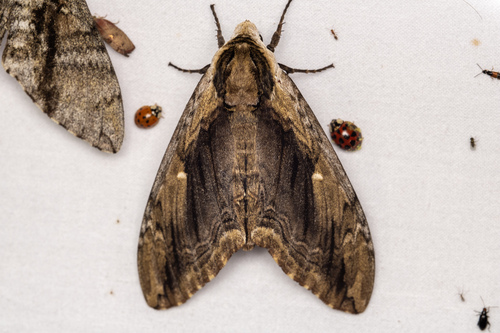
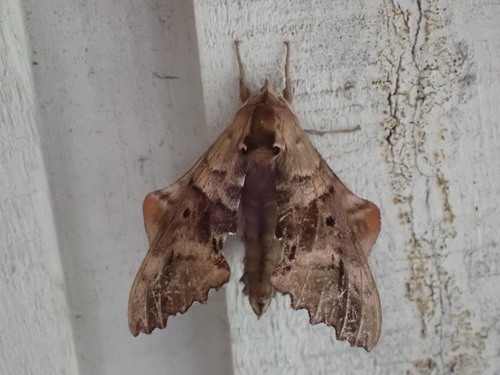
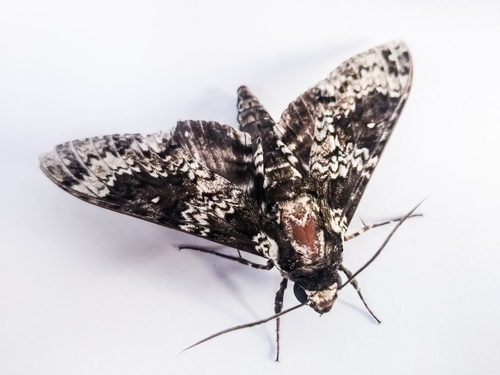
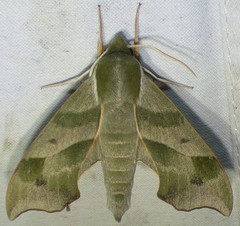
The moths prefer woodland or brush habitats. Adults are usually large with long abdomens ending in a point. The top of the forewing is striped with shades of green to brown and has a dark dot in the middle. The top of the hindwing is orange. Their wings span 2-3 inches.

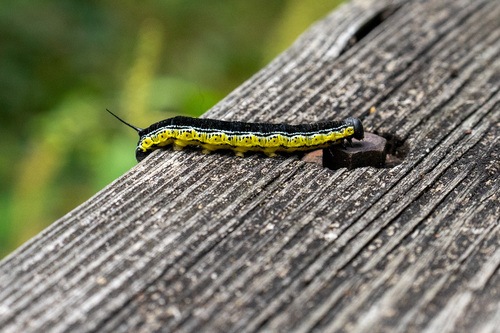
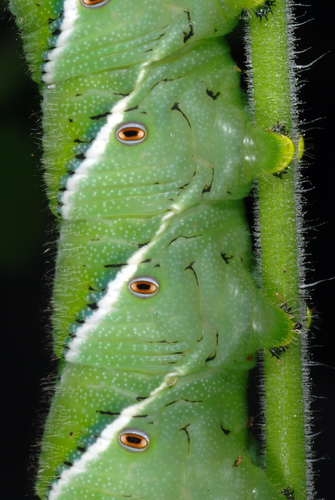
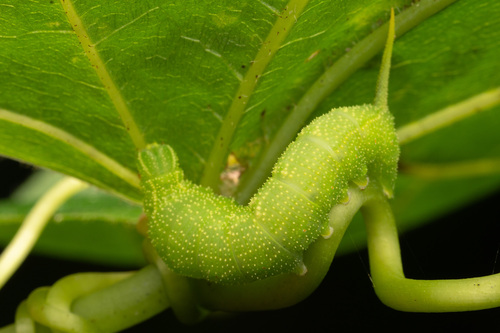
Known as "hornworms", due to the large blue horn on the posterior end, the young larvae are slim and yellow. Maturing they become darker (green, pink or brown) and gain 7 pairs of diagonal stripes merging into a dorsal black line.

There are five or more annual broods, and larvae can mature in as few as three weeks. Larvae hide on the midribs of their host leaves and are nocturnal feeders. While active from early May to early September it's during June and July that this species is most... Wikipedia →
Global Distribution

Parks Where Found

# Park Country Daily sighting probability
1 Great Smoky Mountains National Park 🇺🇸 United States
~10%
2 Shenandoah National Park 🇺🇸 United States
~10%
3 Point Pelee National Park 🇨🇦 Canada
~10%
4 Big Cypress National Preserve 🇺🇸 United States
~10%
5 Cumbres de Monterrey National Park 🇲🇽 Mexico
~10%

Cities Where Found

# City Country Daily sighting probability
1 Austin 🇺🇸 United States
~10%
2 Baltimore 🇺🇸 United States
~10%
3 Montreal 🇨🇦 Canada
<5%
4 Dallas 🇺🇸 United States
<5%
5 Washington 🇺🇸 United States
<5%
6 Toronto 🇨🇦 Canada
<5%
7 Boston 🇺🇸 United States
<5%
8 Houston 🇺🇸 United States
<5%
9 Chicago 🇺🇸 United States
<5%
10 New York City 🇺🇸 United States
<5%

Before you go

What are the chances of seeing a Virginia Creeper Sphinx in Washington?

Rare

Under 5% of wildlife watchers report a Virginia Creeper Sphinx sighting in Washington on a given day, based on 63 verified sightings from GBIF citizen-science data. It is the 411th most-seen of the 1807 insects we can rate there. Over three days the chance rises to about 10%, and over a week to about 20%, if each day is a fresh chance.

When is the best time to see a Virginia Creeper Sphinx in Washington?

June to August

In those months about 10% of wildlife watchers report a Virginia Creeper Sphinx in Washington on a given day, against under 5% in September to May, the lowest months.

What time of day is best to see a Virginia Creeper Sphinx?

Between 9 pm and midnight

Across all the parks we cover, that three-hour window holds the most Virginia Creeper Sphinx sightings with a recorded time, and about 7 in 10 of them come between 6 pm and 6 am: it is seen both by day and at night.

Is Washington the best place to see a Virginia Creeper Sphinx?

5th of 10

Of the 10 cities where we can rate Virginia Creeper Sphinx sightings, Washington ranks 5th at under 5%. The best odds are in Austin (United States, about 10%), Baltimore (United States, about 10%) and Montreal (Canada, under 5%).

Which relatives of the Virginia Creeper Sphinx live in Washington?

Same family: Sphingidae

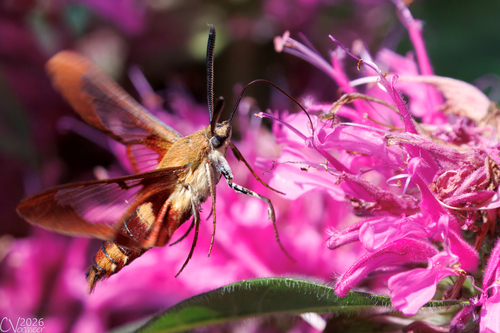
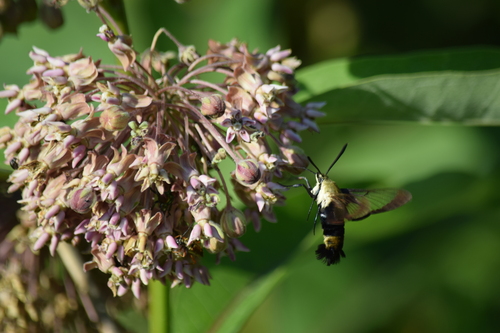
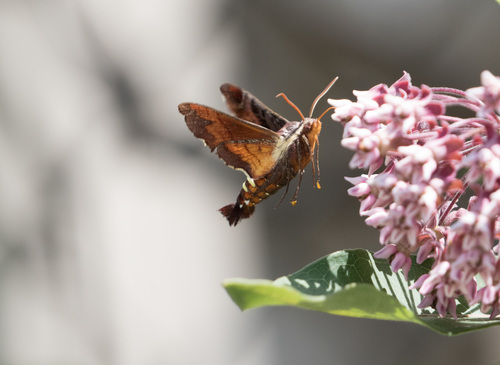
The closest relatives of the Virginia Creeper Sphinx that you can see in Washington (family Sphingidae, Sphinx Moths) are Hummingbird Clearwing (about 10%), Catalpa Sphinx (about 10%) and Snowberry Clearwing (about 10%), with each one's daily chance of a sighting.

Where does the Virginia Creeper Sphinx sighting chance come from?

GBIF citizen-science records

It is estimated from how often the Virginia Creeper Sphinx is recorded against all the insects logged in Washington (63 verified sightings), calibrated against known sighting rates. Figures are rounded to the nearest 10% because citizen-science data supports honest approximations, not decimals, and months with records from fewer than five people show "—". How it works.

← Back to Washington