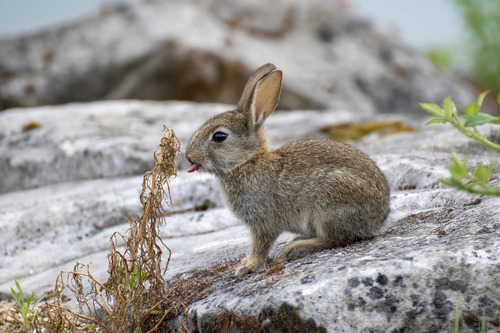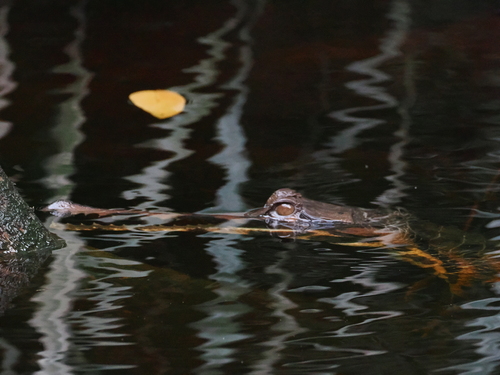


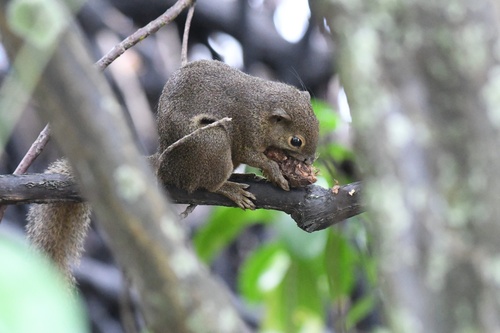


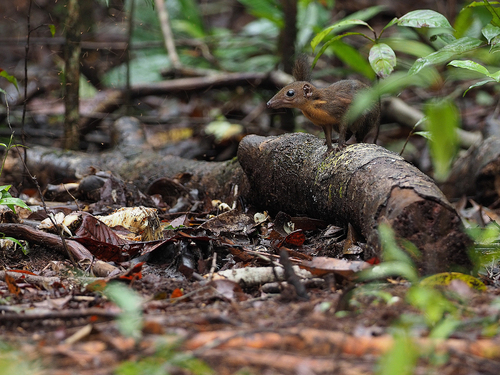







All 4 in 3 days here: ~50%
Tanjung Puting National Park
🇮🇩 Indonesia
Southeast Asia, Indonesia 842 spp. recorded
Tanjung Puting National Park is a protected wetland and riverine forest reserve spanning the tropical peat swamps and coastal mangroves of southern Borneo in Indonesia. This watery wilderness features slow-moving tea-colored rivers, dense swamp forests, and wooden boardwalk trails winding through flooded trees. The park is globally famous for its population of the endangered Bornean Orangutan, alongside other rare primates that define the ecosystem.
-3.103° S 112.051° E
🦜 Nature

262 Species sighted
2,921 Verified sightings From 2019 to 2026
Jul Best month
⭐ Iconic Species
📊 Most Spotted
⭐ Iconic Species
📊 Most Spotted
📊 Most Spotted
⭐ Iconic Species
📊 Most Spotted
📊 Most Spotted
📊 Most Spotted
⭐ Iconic Species
🌙 Most active after dark
+ 760 more species with insufficient data
Challenges you can complete here


All 4 in 3 days here: ~20%
Recent sightings in Tanjung Puting National Park
LIVEiNaturalistSighting Calendar
How many species you'd see in a day
24Jan
25Feb
20Mar
11Apr
22May
25Jun
30Jul
26Aug
23Sep
25Oct
19Nov
23Dec
Sighting Zones
Warmer areas are where all species together are recorded most often.
-
3.056° S, 111.918° E
-
Sekonyer River Klotok Tour
Daily sight. prob.vs avg -
Camp Leakey
Daily sight. prob.vs avg Bornean Orangutan~80%-10%
 Common Water Monitor~60%+20%
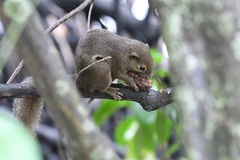 Plantain Squirrel~60%+10%
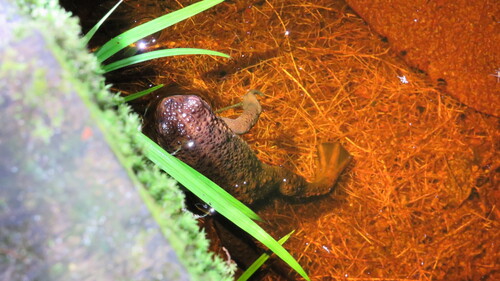
 Brown Marsh Frog~60%+20%
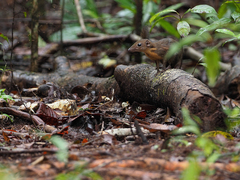 Southern Long-footed Treeshrew~60%+20%
 Crab-eating Macaque~50%-30%
 Lesser false vampire bat~50%+20%
 Painted Mock Viper~50%≈
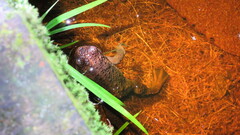 False Toad~50%+10%
 North Philippine Temple Pitviper~50%-20%
 Proboscis Monkey~50%-30%
-
Rimba Orangutan Ecolodge
Daily sight. prob.vs avg- North Philippine Temple Pitviper~90%+20%
- Painted Mock Viper~70%+20%
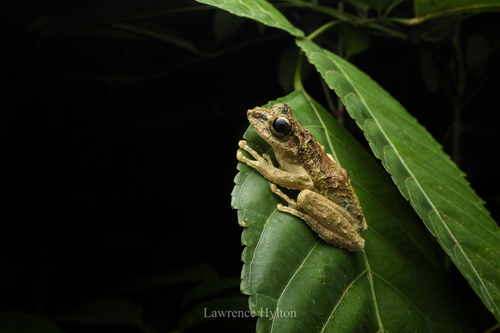
 Collett's Tree Frog~70%+30%
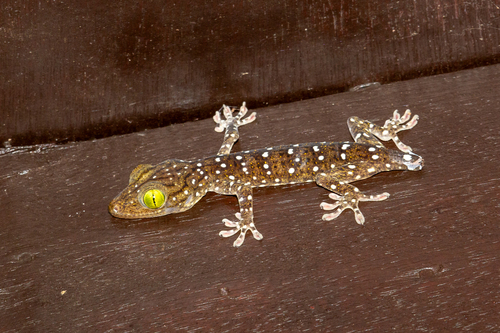
 Spotted House Gecko~50%+20%
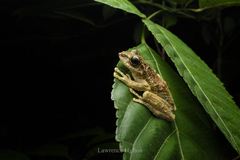 Chasen's Frilled Tree Frog~50%+20%
- Common Water Monitor~40%≈
 Saltwater Crocodile~40%+10%
- Plantain Squirrel~40%-10%
- Lesser false vampire bat~40%+10%
- Brown Marsh Frog~40%≈
- False Toad~40%≈
- Proboscis Monkey~40%-40%
-
Sekonyer Mouth to Rimba Eco Lodge Section


🏕️ Experience
Essentials
Entrance
Paid
Tourism
Low
Typical stay
2–3
daysTrails
Easy
World Heritage
No
Climate
Temp °C Rain mm
JanFebMarAprMayJunJulAugSepOctNovDec
0.0 Good
Wallace's Line Score
How good is this park for seeing wildlife? 🦜
Biodiversity
Very goodHow rich is the wildlife?
4.2
Species by taxon
🦅 Birds 470
🐒 Mammals 180
🦎 Reptiles 177
🐸 Amphibians 15
842 Total Species
828 Global average across 316 parks
96 Threatened 46 Endemic
🔭
Sighting
Very goodHow likely to see animals?
3.5
🎯
Top-12 Avg Probability
67% 📊
Coverage (173 species at ≥5% of 842 in the inventory)
21% 🔀
Taxon variety in top 12 (7 bird, 4 mammal, 1 reptile)
72% 🔭
Species per 10 outings (distinct species a visitor would meet over 10 outings — effort held equal across parks)
90 🌟
Iconic-group species (≥15%) (every species from the 19 iconic groups — monkeys, cats, toucans, macaws, sloths, crocodilians… — not just the 4 highlighted above)
17 ⭐
High-prob species (>40%)
22 🏕️
Experience
ExcellentHow easy and pleasant is the visit?
4.4
Climate Mixed Medium
Entrance Paid Low
Tourism Low High
Trails Easy High
World Heritage No —
What visitors say
We also saw three orangutans (one a baby with its mom), some proboscis monkeys, and some long-tailed macaques in the trees lining the river.
On the way, we spotted some proboscis monkeys (long-nosed monkeys), which are only found in the jungles of Borneo.
We saw lots and lost of proboscis monkeys, also known as Jimmy Durante monkeys because of there long noses, endemic to Borneo.
The reason was that orangutans were not something unfamiliar to me, because every time I visited a zoo anywhere in Indonesia, I almost always found orangutans.
Before you go
What animals can you see in Tanjung Puting National Park?
842 species
Tanjung Puting National Park has 842 recorded vertebrate species. The ones wildlife watchers report most often on a given day are Bornean Orangutan (about 80%), Proboscis Monkey (about 80%), Stork-billed Kingfisher (about 80%), Malaysian Pied-Fantail (about 80%) and Crab-eating Macaque (about 70%). Among reptiles, the most-seen is North Philippine Temple Pitviper (about 60%); among amphibians, Collett's Tree Frog (about 40%).
When is the best time to visit Tanjung Puting National Park for wildlife?
July
In that month the park's 12 most-seen species average about 80% on a given day, against about 60% in March, May and September–December.
Can you see a Bornean Orangutan in Tanjung Puting National Park?
Yes
About 80% of wildlife watchers report a Bornean Orangutan sighting in Tanjung Puting National Park on a given day, based on 185 verified sightings from GBIF citizen-science data from 2019 to 2026. The best time is February–April, July and September (about 90%).
Can you see a Proboscis Monkey in Tanjung Puting National Park?
Yes
About 80% of wildlife watchers report a Proboscis Monkey sighting in Tanjung Puting National Park on a given day, based on 130 verified sightings from GBIF citizen-science data from 2019 to 2026. The best time is April, July and November (about 90%).
Can you see a False Gharial in Tanjung Puting National Park?
Yes
About 50% of wildlife watchers report a False Gharial sighting in Tanjung Puting National Park on a given day, based on 24 verified sightings from GBIF citizen-science data from 2019 to 2026. The best time is July (about 70%).
Can you see a Bornean White-bearded Gibbon in Tanjung Puting National Park?
Yes
About 60% of wildlife watchers report a Bornean White-bearded Gibbon sighting in Tanjung Puting National Park on a given day, based on 33 verified sightings from GBIF citizen-science data from 2019 to 2026. The best time is December (about 80%).
Is Tanjung Puting National Park good for wildlife watching?
3.7 out of 5
On the Wallace's Line Score, Tanjung Puting National Park rates 3.7/5: 159th of 316 parks worldwide and 17th in Southeast Asia. 31 of its species are reported by about 40% or more of wildlife watchers on a given day.