Way Kambas National Park
🇮🇩 Indonesia
Southeast Asia, Indonesia 972 spp. recorded
Way Kambas National Park is a tropical rainforest reserve in southern Sumatra, Indonesia, protecting lowland forest, swamp and coastal mangroves. Crab‑eating macaques forage along riverbanks, Asian painted frogs call from leaf‑litter after rains, and Sunda slow lorises glide through the canopy at night.
-4.924° S 105.748° E
🦜 Nature

328 Species sighted
11,584 Verified sightings From 2019 to 2026
Oct Best month
⭐ Iconic Species


📊 Most Spotted





⭐ Iconic Species
📊 Most Spotted


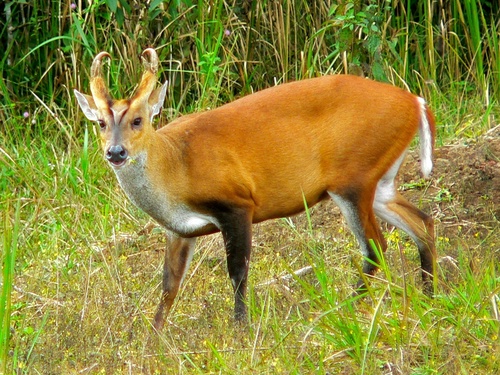


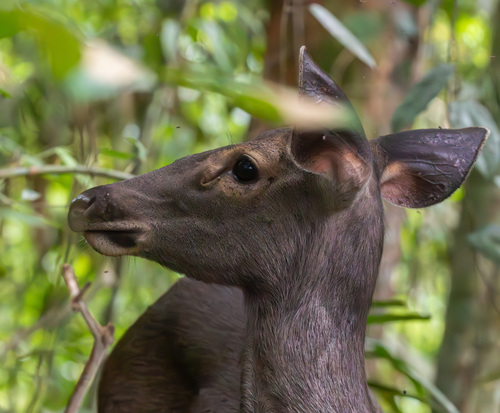

📊 Most Spotted


📊 Most Spotted


📊 Most Spotted


📊 Most Spotted
⭐ Iconic Species
🌙 Most active after dark
+ 760 more species with insufficient data
Recent sightings in Way Kambas National Park
LIVEiNaturalistSighting Calendar
How many species you'd see in a day
1.3Jan
6.5Feb
36Mar
37Apr
54May
41Jun
50Jul
48Aug
44Sep
64Oct
6.6Nov
1.4Dec
Sighting Zones
Warmer areas are where all species together are recorded most often.
-
Way Kambas—PLG elephant paddock





🏕️ Experience
Essentials
Entrance
Paid
Tourism
Low
Typical stay
2–3
daysTrails
Easy
World Heritage
No
Climate
Temp °C Rain mm
JanFebMarAprMayJunJulAugSepOctNovDec
0.0 Excellent
Wallace's Line Score
How good is this park for seeing wildlife? 🦜
Biodiversity
ExcellentHow rich is the wildlife?
4.7
Species by taxon
🦅 Birds 581
🐒 Mammals 189
🦎 Reptiles 169
🐸 Amphibians 33
972 Total Species
828 Global average across 316 parks
101 Threatened 3 Endemic
🔭
Sighting
ExcellentHow likely to see animals?
4.2
🎯
Top-12 Avg Probability
58% 📊
Coverage (245 species at ≥5% of 972 in the inventory)
25% 🔀
Taxon variety in top 12 (9 bird, 2 mammal, 1 amphibian)
54% 🔭
Species per 10 outings (distinct species a visitor would meet over 10 outings — effort held equal across parks)
170 🌟
Iconic-group species (≥15%) (every species from the 19 iconic groups — monkeys, cats, toucans, macaws, sloths, crocodilians… — not just the 4 highlighted above)
26 ⭐
High-prob species (>40%)
32 🏕️
Experience
ExcellentHow easy and pleasant is the visit?
4.4
Climate Mixed Medium
Entrance Paid Low
Tourism Low High
Trails Easy High
World Heritage No —
Before you go
What animals can you see in Way Kambas National Park?
972 species
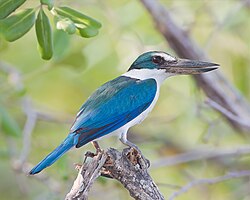
Way Kambas National Park has 972 recorded vertebrate species. The ones wildlife watchers report most often on a given day are Red-crowned Barbet (about 70%), Collared Kingfisher (about 70%), Greater Racket-tailed Drongo (about 70%), Large-tailed Nightjar (about 70%) and White-throated Kingfisher (about 60%). Among mammals, the most-seen is Crab-eating Macaque (about 60%); among reptiles, Common Water Monitor (about 40%); among amphibians, Asian Painted Frog (about 60%).
When is the best time to visit Way Kambas National Park for wildlife?
October
In that month the park's 12 most-seen species average about 70% on a given day, against about 40% in June.
Can you see an Asian Elephant in Way Kambas National Park?
Yes
About 40% of wildlife watchers report an Asian Elephant sighting in Way Kambas National Park on a given day, based on 9 verified sightings from GBIF citizen-science data from 2019 to 2026. The best time is October (about 60%).
Can you see a Siamang in Way Kambas National Park?
Yes
About 50% of wildlife watchers report a Siamang sighting in Way Kambas National Park on a given day, based on 10 verified sightings from GBIF citizen-science data from 2019 to 2026. The best time is September (about 70%).
Where in Way Kambas National Park is wildlife easiest to see?
Around Way Kambas—PLG elephant paddock
The richest sighting zone is around Way Kambas—PLG elephant paddock, followed by Jalan akses Way Kanan and Satwa Eco Lodge, ranked by how many of the park's headline animals visitors can expect to see in each. See the zones on the map.
Is Way Kambas National Park good for wildlife watching?
4.3 out of 5
On the Wallace's Line Score, Way Kambas National Park rates 4.3/5: 74th of 316 parks worldwide and 5th in Southeast Asia. 45 of its species are reported by about 40% or more of wildlife watchers on a given day.


