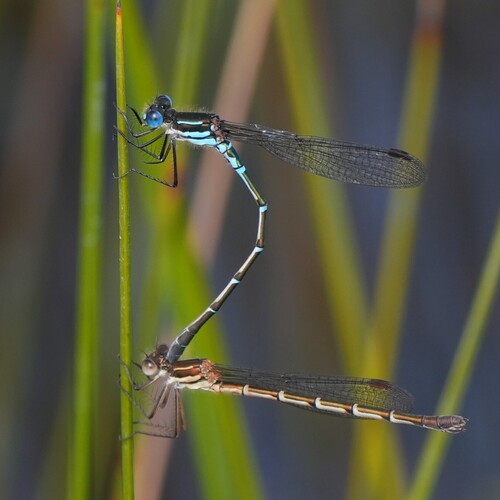
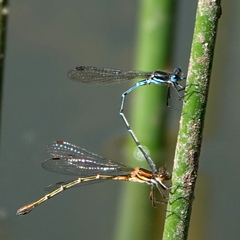
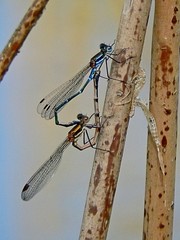
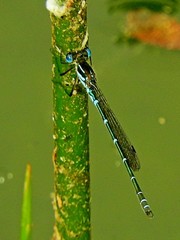

Cup Ringtail

Cup Ringtail

Austrolestes psyche

Daily sighting probability ~20% · Possible
at Cradle Mountain-Lake St Clair National Park

In 3 days ~40% in a week ~70%

11 Verified sightings at Cradle Mountain-Lake St Clair National Park From 2019 to 2026
65 In all 5 parks
February Best month
☀️ Diurnal When it's spotted

About the Cup Ringtail

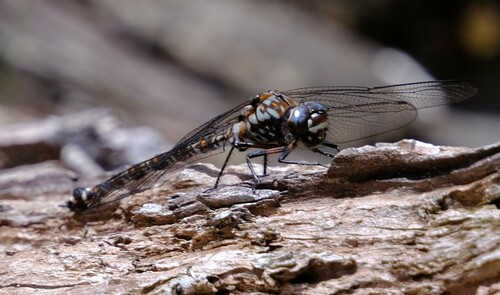
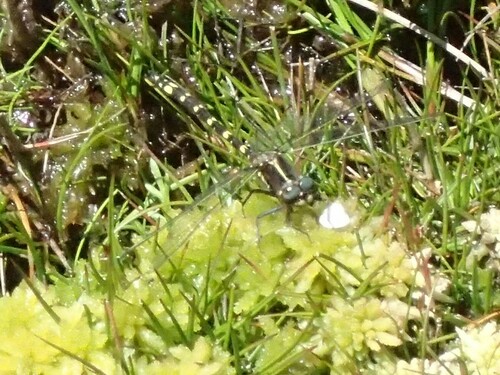
Austrolestes psyche is an Australian species of damselfly in the family Lestidae, commonly known as a cup ringtail. It is found in south-eastern Australia where it inhabits pools, lakes and swamps. Austrolestes psyche is a medium-sized to large damselfly, the male is light blue and black.

The genus name Austrolestes combines the prefix austro- (from Latin auster, meaning “south wind”, hence “southern”) with Lestes, a genus name derived from Greek λῃστής (lēstēs, “robber”). The species name psyche is named after Psyche, a figure from Greek mythology.

List of Odonata species of Australia Wikipedia →

Global Distribution

Parks Where Found

# Park Country Daily sighting probability
1 Cradle Mountain-Lake St Clair National Park 🇦🇺 Australia
~20%
2 Freycinet National Park 🇦🇺 Australia
~10%
3 Springbrook National Park 🇦🇺 Australia
~10%
4 Great Otway National Park 🇦🇺 Australia
~10%
5 Blue Mountains National Park 🇦🇺 Australia
~10%

Cities Where Found

# City Country Daily sighting probability
1 Melbourne 🇦🇺 Australia
<5%

Before you go

What are the chances of seeing a Cup Ringtail in Cradle Mountain-Lake St Clair National Park?

Possible

About 20% of wildlife watchers report a Cup Ringtail sighting in Cradle Mountain-Lake St Clair National Park on a given day, based on 11 verified sightings from GBIF citizen-science data from 2019 to 2026. It is the 14th most-seen of the 20 insects we can rate there. Over three days the chance rises to about 40%, and over a week to about 70%, if each day is a fresh chance.

When is the best time to see a Cup Ringtail in Cradle Mountain-Lake St Clair National Park?

February

In that month about 30% of wildlife watchers report a Cup Ringtail in Cradle Mountain-Lake St Clair National Park on a given day, against under 5% in April to November, the lowest months. That is one of Cradle Mountain-Lake St Clair National Park's driest months, with about 95 mm of rain against 240 mm in August.

What time of day is best to see a Cup Ringtail?

Between noon and 3 pm

Across all the parks we cover, that three-hour window holds the most Cup Ringtail sightings with a recorded time, and about 8 in 10 of them come between 6 am and 6 pm: it is a daytime animal.

Is Cradle Mountain-Lake St Clair National Park the best place to see a Cup Ringtail?

Yes

Of the 5 parks where we can rate Cup Ringtail sightings, Cradle Mountain-Lake St Clair National Park has the highest daily chance: about 20%. Next come Freycinet National Park (Australia, about 10%) and Springbrook National Park (Australia, about 10%).

Which relatives of the Cup Ringtail live in Cradle Mountain-Lake St Clair National Park?

Same order: Odonata

The closest relatives of the Cup Ringtail that you can see in Cradle Mountain-Lake St Clair National Park (order Odonata, Dragonflies and Damselflies) are Lesser Tasmanian Darner (about 20%), Tasmanian Swamp Tigertail (about 20%) and Swamp Darner (about 20%), with each one's daily chance of a sighting.

Where does the Cup Ringtail sighting chance come from?

GBIF citizen-science records

It is estimated from how often the Cup Ringtail is recorded against all the insects logged in Cradle Mountain-Lake St Clair National Park (11 verified sightings from 2019 to 2026), calibrated against known sighting rates. Figures are rounded to the nearest 10% because citizen-science data supports honest approximations, not decimals, and months with records from fewer than five people show "—". How it works.

← Back to Cradle Mountain-Lake St Clair National Park