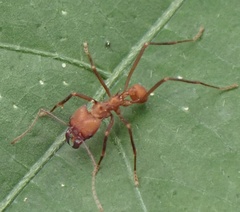
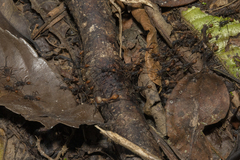
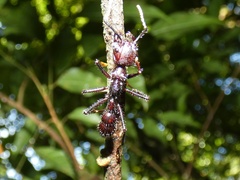
Completed
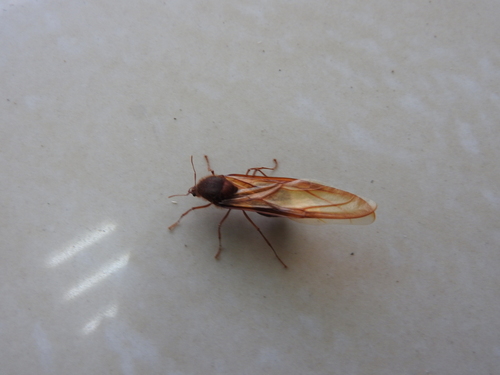
Chicatana Leafcutter Ant
Atta mexicana
- KingdomAnimalia (Animals)
- PhylumArthropoda (Arthropods)
- ClassInsecta (Insects)
- OrderHymenoptera (Ants, Bees, Wasps, and Sawflies)
- FamilyFormicidae (Ants)
- GenusAtta
- SpeciesAtta mexicana (Chicatana Leafcutter Ant)
In 3 days ~30% in a week ~60%
64 Verified sightings at Cumbres de Monterrey National Park From 2019 to 2026
73 In all 2 parks
January Best month
☀️ Diurnal When it's spotted
About the Chicatana Leafcutter Ant
Atta mexicana is a species of leaf-cutter ant, a New World ant of the subfamily Myrmicinae of the genus Atta. This species is from one of the two genera of advanced attines (fungus-growing ants) within the tribe Attini.
The queen is approximately 30 mm long, and dark brown. Workers are dark brown, with short spines. The much larger soldiers grow up to 18 mm, and are even more armored with short spines. The ants cut leaves and grow a basidiomycete fungus called Leucoagaricus gongylophorus (Agaricaceae) with them. Oleic acid is one of their undertaking triggers.
A. mexicana is found in Mexico (where it is commonly called hormiga chicatana, hormiga podadora de hoja/desert ant and mochomo), and crosses into Arizona, United States. This species is highly adaptive, and thrives in such urban areas as Puerto Vallarta. Densities of A. mexicana nests are very high in numerous areas, including the resort community of Nuevo Vallarta.
The species is found in various locations of central and southern Mexico during the start of the rainy season, when the soil becomes wet and the ants leave for their nuptial flight. That time of the year is... Wikipedia →
Recent sightings of Chicatana Leafcutter Ant in Cumbres de Monterrey National Park
LIVEiNaturalistGlobal Distribution
Parks Where Found
| # | Park | Country | Daily sighting probability |
|---|---|---|---|
| 1 | Cumbres de Monterrey National Park | 🇲🇽 Mexico | |
| 2 | Cañón del Sumidero National Park | 🇲🇽 Mexico |
Cities Where Found
| # | City | Country | Daily sighting probability |
|---|---|---|---|
| 1 | León | 🇲🇽 México | |
| 2 | Guatemala City | 🇬🇹 Guatemala | |
| 3 | Tegucigalpa | 🇭🇳 Honduras | |
| 4 | Guadalajara | 🇲🇽 México | |
| 5 | Puebla | 🇲🇽 México | |
| 6 | Monterrey | 🇲🇽 México | |
| 7 | San Luis Potosí | 🇲🇽 México | |
| 8 | San Salvador | 🇸🇻 El Salvador |
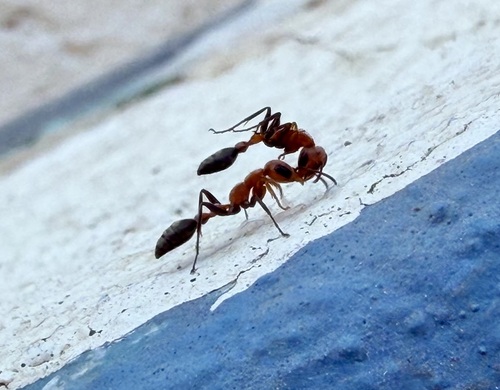
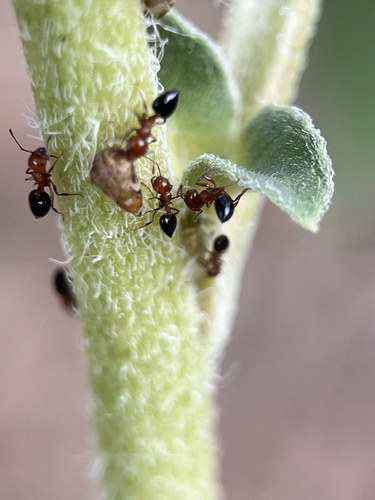
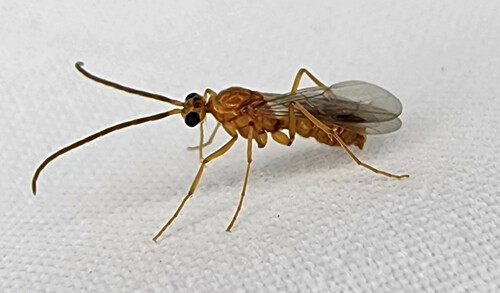
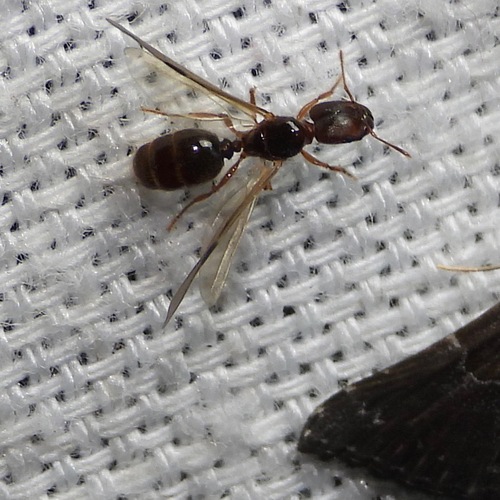
Closest Relatives at Cumbres de Monterrey National Park




Before you go
What are the chances of seeing a Chicatana Leafcutter Ant in Cumbres de Monterrey National Park?
With luck
About 10% of wildlife watchers report a Chicatana Leafcutter Ant sighting in Cumbres de Monterrey National Park on a given day, based on 64 verified sightings from GBIF citizen-science data from 2019 to 2026. It is the 38th most-seen of the 431 insects we can rate there. Over three days the chance rises to about 30%, and over a week to about 60%, if each day is a fresh chance.
When is the best time to see a Chicatana Leafcutter Ant in Cumbres de Monterrey National Park?
January
In that month about 30% of wildlife watchers report a Chicatana Leafcutter Ant in Cumbres de Monterrey National Park on a given day, against about 10% in February to December, the lowest months. That is one of Cumbres de Monterrey National Park's driest months, with about 30 mm of rain against 180 mm in September.
What time of day is best to see a Chicatana Leafcutter Ant?
Between 3 and 6 pm
Across all the parks we cover, that three-hour window holds the most Chicatana Leafcutter Ant sightings with a recorded time, and about 8 in 10 of them come between 6 am and 6 pm: it is a daytime animal.
Is Cumbres de Monterrey National Park the best place to see a Chicatana Leafcutter Ant?
Yes
Of the 2 parks where we can rate Chicatana Leafcutter Ant sightings, Cumbres de Monterrey National Park has the highest daily chance: about 10%. Next come Cañón del Sumidero National Park (Mexico, about 10%).
Which relatives of the Chicatana Leafcutter Ant live in Cumbres de Monterrey National Park?
Same family: Formicidae
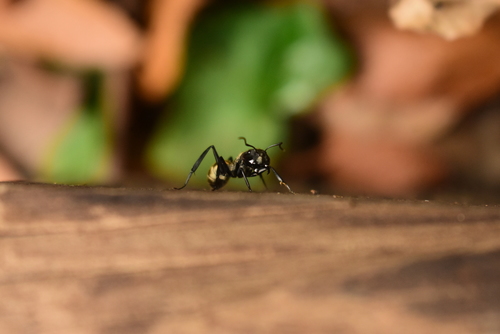
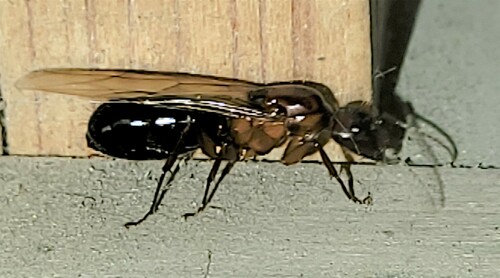
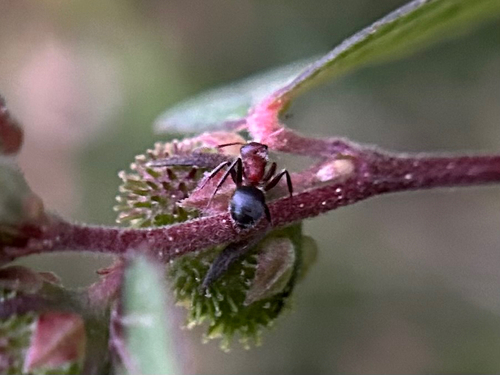
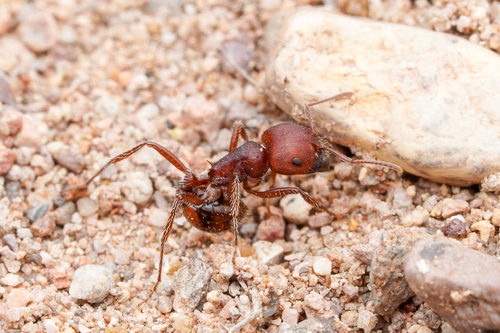
The closest relatives of the Chicatana Leafcutter Ant that you can see in Cumbres de Monterrey National Park (family Formicidae, Ants) are Shimmering Golden Sugar Ant (about 20%), Pachycondyla villosa (about 10%) and Tropical Carpenter Ant (about 10%), with each one's daily chance of a sighting.
Where does the Chicatana Leafcutter Ant sighting chance come from?
GBIF citizen-science records
It is estimated from how often the Chicatana Leafcutter Ant is recorded against all the insects logged in Cumbres de Monterrey National Park (64 verified sightings from 2019 to 2026), calibrated against known sighting rates. Figures are rounded to the nearest 10% because citizen-science data supports honest approximations, not decimals, and months with records from fewer than five people show "—". How it works.
