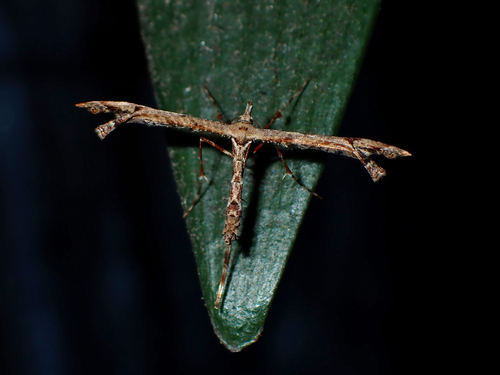
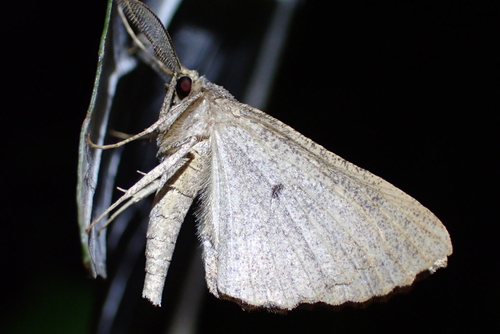
Pūriri Moth

Pūriri Moth

Aenetus virescens

Endemic
Daily sighting probability ~20% · Possible
at Egmont National Park

In 3 days ~40% in a week ~70%

20 Verified sightings at Egmont National Park From 2019 to 2026
20 In 1 park
October Best month
☀️🌙 Day & Night When it's spotted

About the Pūriri Moth

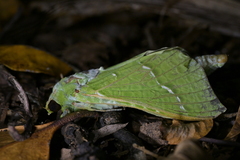
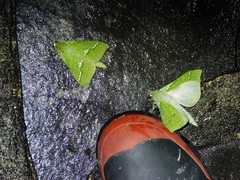
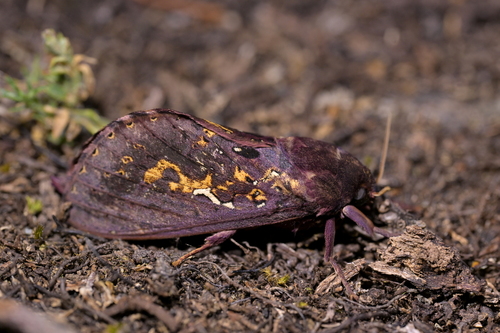
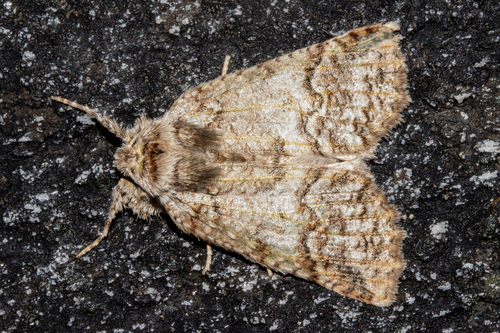
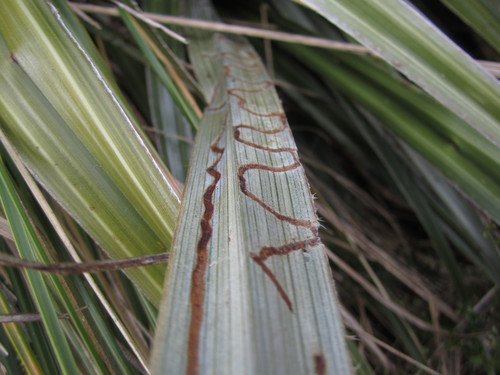
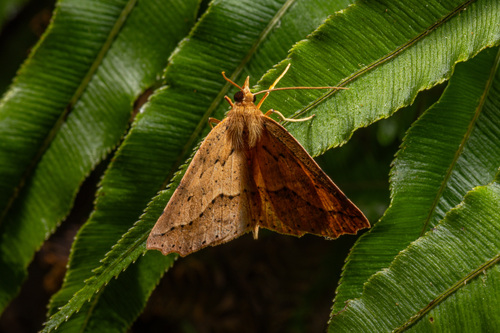
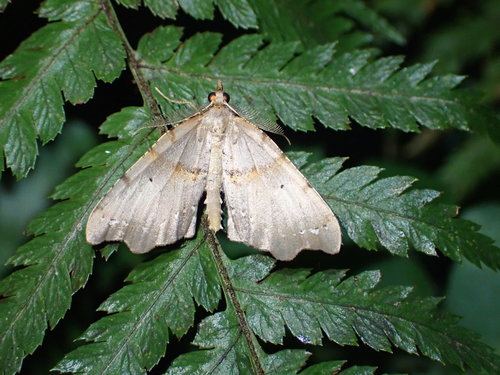
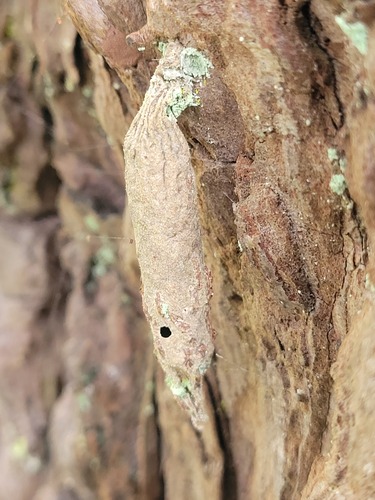
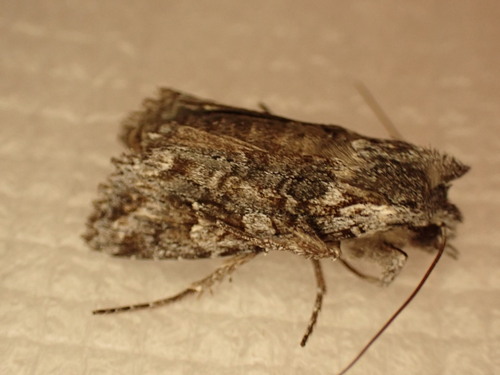
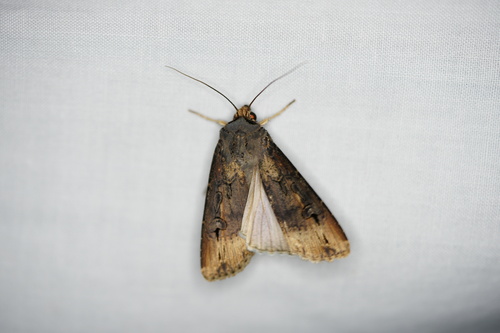
The pūriri moth (Aenetus virescens), also commonly called the ghost moth or pepetuna, is a species of moth of the family Hepialidae. This moth is endemic to the North Island of New Zealand. It is New Zealand's largest moth, with a wingspan of up to 150 mm. It spends the first five to six years of its life as a caterpillar in a tree trunk (common host plants are the pūriri tree (Vitex lucens) and putaputāwētā (Carpodetus serratus), but pūriri larva also inhabit non-native species such as Eucalyptus), with the last 48 hours of its life as a moth.

This species was first described in 1843 by Edward Doubleday in the book Travels in New Zealand by Ernst Dieffenbach. Doubleday named the species Hepialis uirescens. George Hudson discussed and illustrated this species under that name in his book The Butterflies and Moths of New Zealand. The moth is also commonly called the ghost moth or pepetuna.

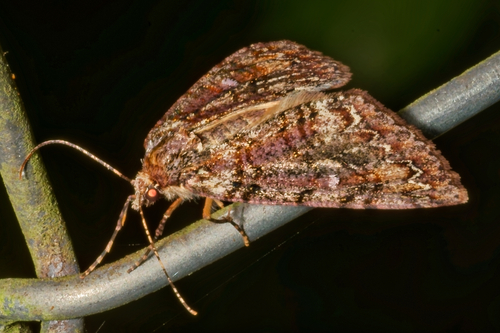
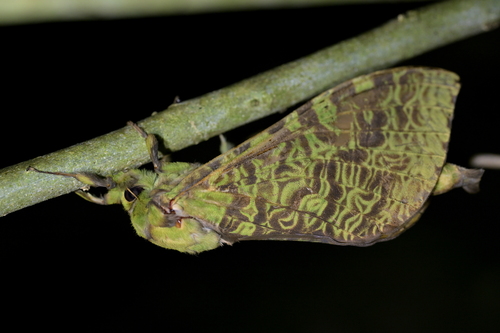
The pūriri moth is easily identifiable by its large size and vivid forewing colouration. Adults exhibit sexual dimorphism. With a wingspan that averages 100mm (for males) and 150mm (for females), it is New Zealand's largest native winged insect. The forewings generally... Wikipedia →
Global Distribution

Parks Where Found

# Park Country Daily sighting probability
1 Egmont National Park 🇳🇿 New Zealand
~20%

More parks will be added in future updates.

Cities Where Found

# City Country Daily sighting probability
1 Auckland 🇳🇿 New Zealand
~20%

Closest Relatives at Egmont National Park

Before you go

What are the chances of seeing a Pūriri Moth in Egmont National Park?

Possible

About 20% of wildlife watchers report a Pūriri Moth sighting in Egmont National Park on a given day, based on 20 verified sightings from GBIF citizen-science data from 2019 to 2026. It is the 16th most-seen of the 191 insects we can rate there. Over three days the chance rises to about 40%, and over a week to about 70%, if each day is a fresh chance.

When is the best time to see a Pūriri Moth in Egmont National Park?

October

In that month about 50% of wildlife watchers report a Pūriri Moth in Egmont National Park on a given day, against under 5% in January, March and May–July, the lowest months.

What time of day is best to see a Pūriri Moth?

Between 8 and 11 pm

Across all the parks we cover, that three-hour window holds the most Pūriri Moth sightings with a recorded time, and about half of them come between 6 am and 6 pm: it is seen both by day and at night.

Where else can you see a Pūriri Moth?

Only Egmont National Park, in our data

Egmont National Park is the only park on Wallace's Line with enough records to rate Pūriri Moth sightings: about 20% of wildlife watchers there report one on a given day.

Where does the Pūriri Moth sighting chance come from?

GBIF citizen-science records

It is estimated from how often the Pūriri Moth is recorded against all the insects logged in Egmont National Park (20 verified sightings from 2019 to 2026), calibrated against known sighting rates. Figures are rounded to the nearest 10% because citizen-science data supports honest approximations, not decimals, and months with records from fewer than five people show "—". How it works.

← Back to Egmont National Park