New Zealand Common Bag Moth

New Zealand Common Bag Moth

Liothula omnivora

Endemic
Daily sighting probability ~20% · Possible
at Egmont National Park

In 3 days ~40% in a week ~70%

21 Verified sightings at Egmont National Park From 2019 to 2026
43 In all 3 parks
July Best month
☀️🌙 Day & Night When it's spotted

About the New Zealand Common Bag Moth

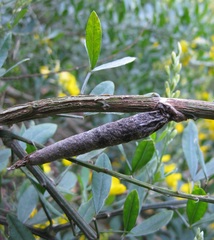
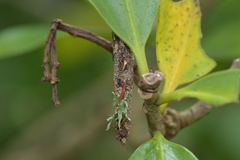
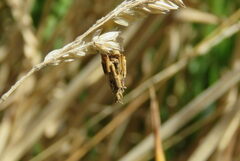
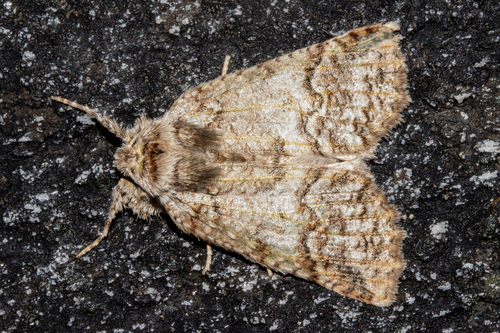
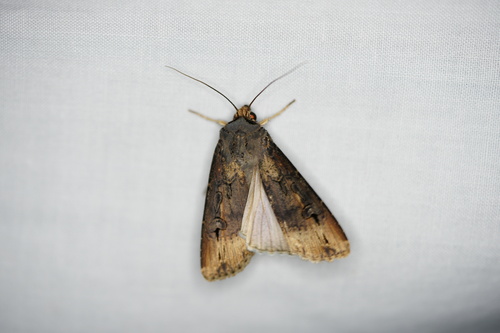
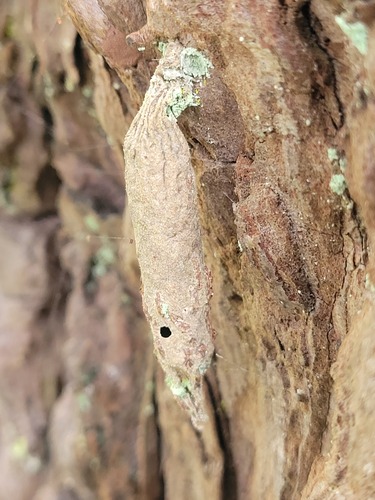
Liothula omnivora, the common bag moth, is a psychid moth endemic to New Zealand. It is also known by several Māori vernacular names like the tūngou ngou, whare atua ('house of the spirit') or kopi ('shut'). There are over 50 species of Psychidae and at least two species of Liothula in New Zealand.

This species was described by Richard William Fereday in 1878. In 1928 George Hudson placed this species within the Oeceticus genus and amended its epithet to omnivorous. However this was not accepted by other taxonomists.

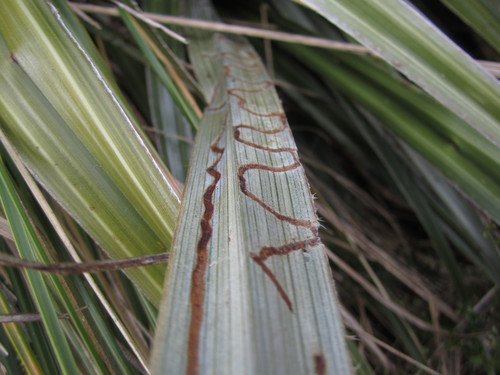
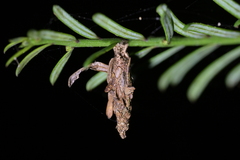
Like other bagworms, L. omnivora caterpillars construct and live within a small, mobile, tapering bag of silk, which provides camouflage and protection to the caterpillar. The bag is lengthened at the broad or mouth end as the caterpillar grows. The caterpillar secures itself within the bag using hooks on its anterior prolegs, allowing it to extend the head and thorax while dragging the bag behind it. When threatened, it quickly retreats into the bag and draws the mouth tightly closed. The caterpillar begins construction of its bag within a few days of hatching. Initially the bag is held erect, but as the caterpillar grows larger... Wikipedia →
Global Distribution

Parks Where Found

# Park Country Daily sighting probability
1 Egmont National Park 🇳🇿 New Zealand
~20%
2 Rakiura National Park 🇳🇿 New Zealand
~10%
3 Fiordland National Park 🇳🇿 New Zealand
~10%

Cities Where Found

# City Country Daily sighting probability
1 Auckland 🇳🇿 New Zealand
~20%

Before you go

What are the chances of seeing a New Zealand Common Bag Moth in Egmont National Park?

Possible

About 20% of wildlife watchers report a New Zealand Common Bag Moth sighting in Egmont National Park on a given day, based on 21 verified sightings from GBIF citizen-science data from 2019 to 2026. It is the 16th most-seen of the 191 insects we can rate there. Over three days the chance rises to about 40%, and over a week to about 70%, if each day is a fresh chance.

When is the best time to see a New Zealand Common Bag Moth in Egmont National Park?

July

In that month about 40% of wildlife watchers report a New Zealand Common Bag Moth in Egmont National Park on a given day, against under 5% in February, August–September and December, the lowest months.

What time of day is best to see a New Zealand Common Bag Moth?

Between 9 am and noon

Across all the parks we cover, that three-hour window holds the most New Zealand Common Bag Moth sightings with a recorded time, and about 6 in 10 of them come between 6 am and 6 pm: it is seen both by day and at night.

Is Egmont National Park the best place to see a New Zealand Common Bag Moth?

Yes

Of the 3 parks where we can rate New Zealand Common Bag Moth sightings, Egmont National Park has the highest daily chance: about 20%. Next come Rakiura National Park (New Zealand, about 10%) and Fiordland National Park (New Zealand, about 10%).

Which relatives of the New Zealand Common Bag Moth live in Egmont National Park?

Same order: Lepidoptera

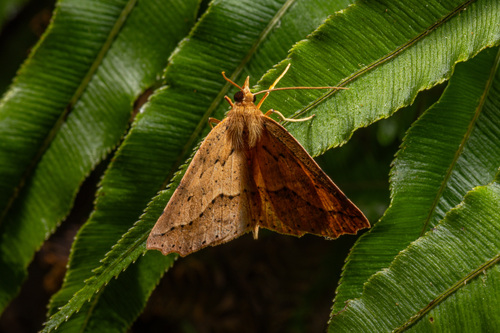
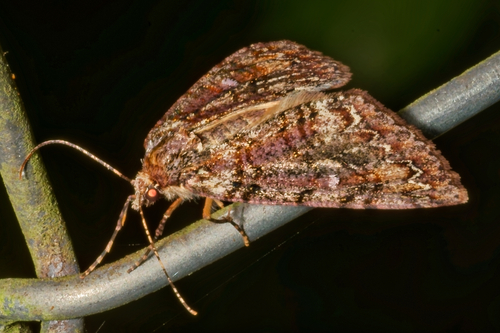
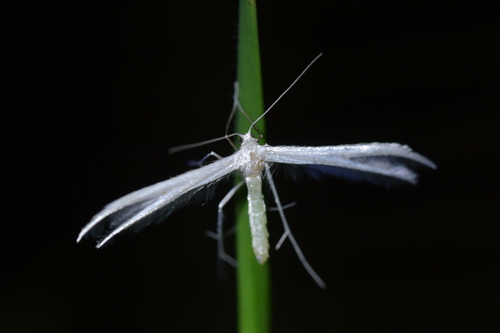
The closest relatives of the New Zealand Common Bag Moth that you can see in Egmont National Park (order Lepidoptera, Butterflies and Moths) are Forest Semilooper (about 20%), Astelia Zig-Zag Moth (about 20%) and Oblique-Waved Fern Looper (about 20%), with each one's daily chance of a sighting.

Where does the New Zealand Common Bag Moth sighting chance come from?

GBIF citizen-science records

It is estimated from how often the New Zealand Common Bag Moth is recorded against all the insects logged in Egmont National Park (21 verified sightings from 2019 to 2026), calibrated against known sighting rates. Figures are rounded to the nearest 10% because citizen-science data supports honest approximations, not decimals, and months with records from fewer than five people show "—". How it works.

← Back to Egmont National Park