Dainty Damselfly

Dainty Damselfly

Coenagrion scitulum

Daily sighting probability ~10% · With luck
at Fertő-Hanság National Park

In 3 days ~20% in a week ~40%

7 Verified sightings at Fertő-Hanság National Park From 2019 to 2026
25 In all 3 parks
June Best month
☀️ Diurnal When it's spotted

About the Dainty Damselfly

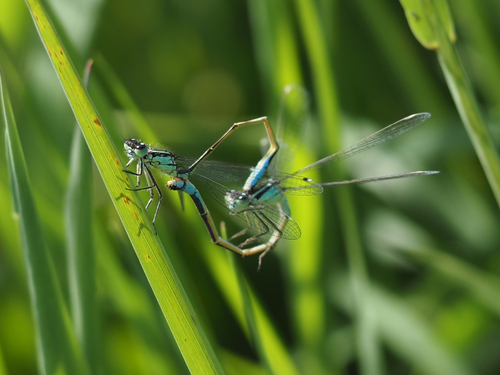
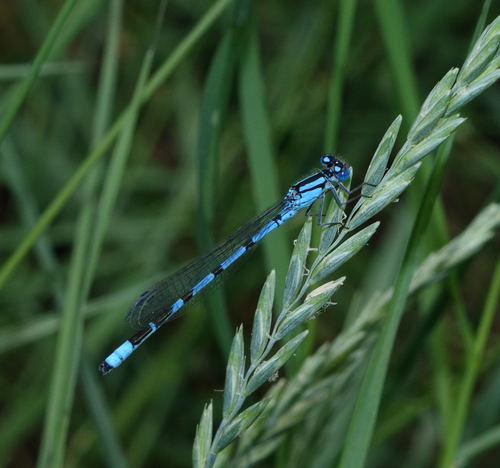
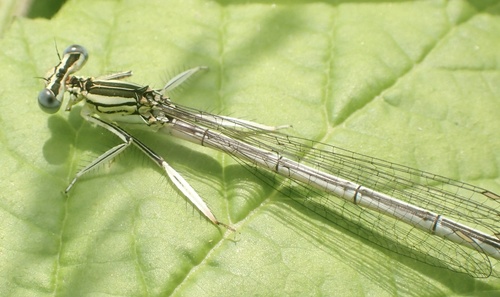
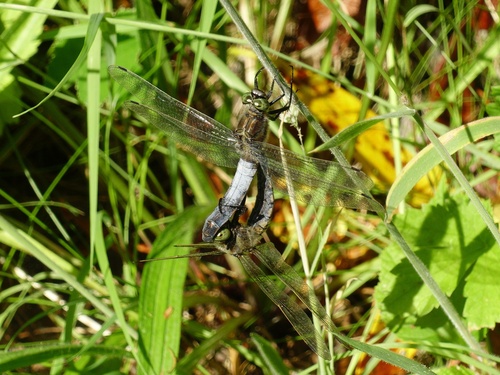
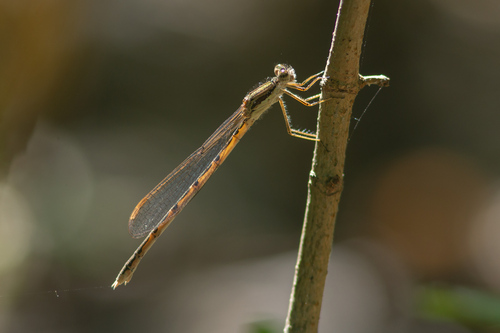
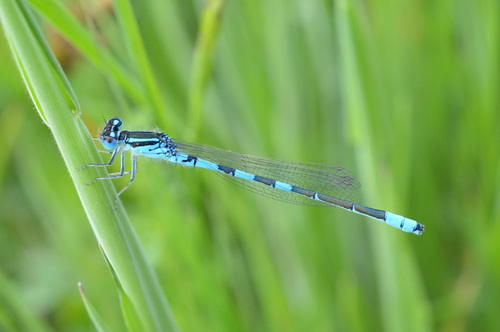
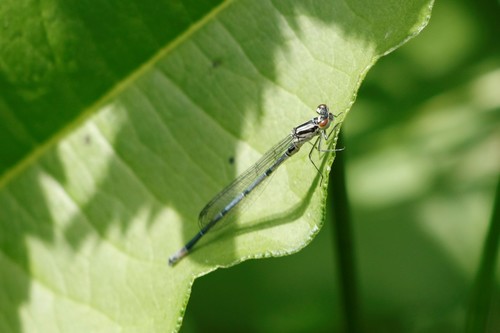
The dainty damselfly (Coenagrion scitulum), also known as the dainty bluet, is a blue damselfly of the family Coenagrionidae. This is a scarce species found mainly in southern Europe, northern Africa, southwest Asia, and Central America. C. scitulum are Odonata (dragonflies & damselflies) predators that can reach a length of 30–33 mm at maturity and have hind-wing lengths of 15–20 mm. The males and females do exhibit differing features through their colouration making them easily distinguishable. As shown in the photo to the left, segment eight is blue in colour followed by black markings on segment nine, whereas the females are mostly black near the rear with smaller blue markings. Although they are relatively simple to sex, they are easily confused with the common blue damselfly.

C. scitulum are found in large and generally stagnant, ponds with abundant vegetation including water-milfoil and hornwort, they can also be found in flooded ditches. It has also been discovered that constructed wetlands are an important habitat and sanctuary for C. scitulum. This is because these areas lack fish that prey on insects giving the dainty damselfly a safe habitat to live and reproduce... Wikipedia →
Global Distribution

Parks Where Found

# Park Country Daily sighting probability
1 Monfragüe National Park 🇪🇸 Spain
~10%
2 Fertő-Hanság National Park 🇭🇺 Hungary
~10%
3 Cévennes National Park 🇫🇷 France
<5%

Cities Where Found

# City Country Daily sighting probability
1 Budapest 🇭🇺 Hungary
~10%
2 Brussels 🇧🇪 Belgium
~10%
3 Paris 🇫🇷 France
<5%
4 Vienna 🇦🇹 Austria
<5%

Before you go

What are the chances of seeing a Dainty Damselfly in Fertő-Hanság National Park?

With luck

About 10% of wildlife watchers report a Dainty Damselfly sighting in Fertő-Hanság National Park on a given day, based on 7 verified sightings from GBIF citizen-science data from 2019 to 2026. It is the 135th most-seen of the 243 insects we can rate there. Over three days the chance rises to about 20%, and over a week to about 40%, if each day is a fresh chance.

When is the best time to see a Dainty Damselfly in Fertő-Hanság National Park?

June

In that month about 20% of wildlife watchers report a Dainty Damselfly in Fertő-Hanság National Park on a given day, against under 5% in July to April, the lowest months.

What time of day is best to see a Dainty Damselfly?

Between noon and 3 pm

Across all the parks we cover, that three-hour window holds the most Dainty Damselfly sightings with a recorded time, and about 9 in 10 of them come between 6 am and 6 pm: it is a daytime animal.

Is Fertő-Hanság National Park the best place to see a Dainty Damselfly?

Among the best

Of the 3 parks where we can rate Dainty Damselfly sightings, Fertő-Hanság National Park ranks 2nd at about 10%, level with the leaders once rounded. The best odds are in Monfragüe National Park (Spain, about 10%).

Where does the Dainty Damselfly sighting chance come from?

GBIF citizen-science records

It is estimated from how often the Dainty Damselfly is recorded against all the insects logged in Fertő-Hanság National Park (7 verified sightings from 2019 to 2026), calibrated against known sighting rates. Figures are rounded to the nearest 10% because citizen-science data supports honest approximations, not decimals, and months with records from fewer than five people show "—". How it works.

← Back to Fertő-Hanság National Park