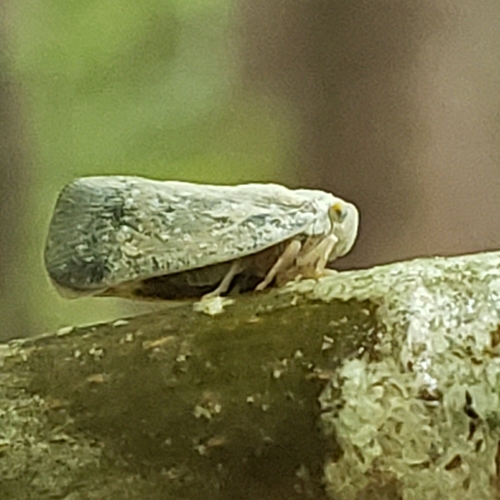
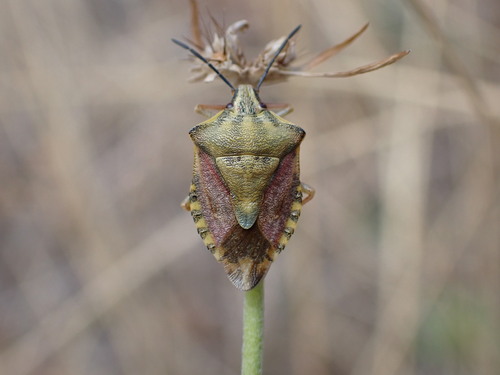
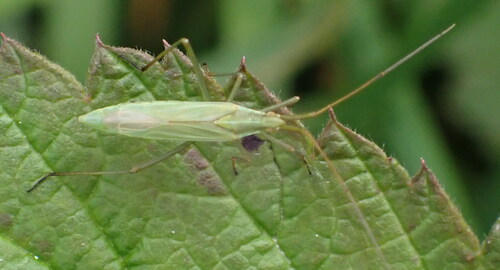
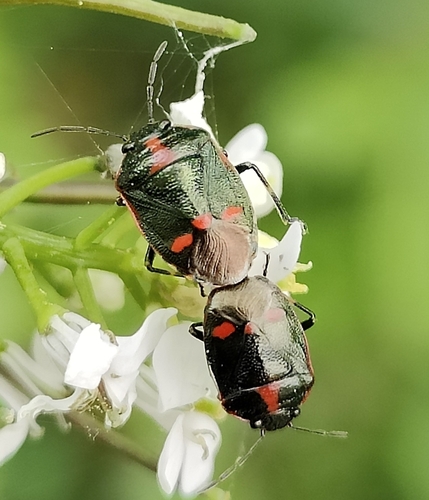
European Alder Spittlebug

European Alder Spittlebug

Aphrophora alni

Daily sighting probability ~10% · With luck
at Fertő-Hanság National Park

In 3 days ~20% in a week ~50%

14 Verified sightings at Fertő-Hanság National Park From 2019 to 2026
120 In all 7 parks
June Best month
☀️ Diurnal When it's spotted

About the European Alder Spittlebug

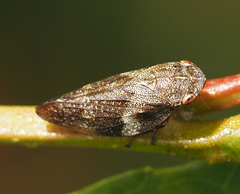
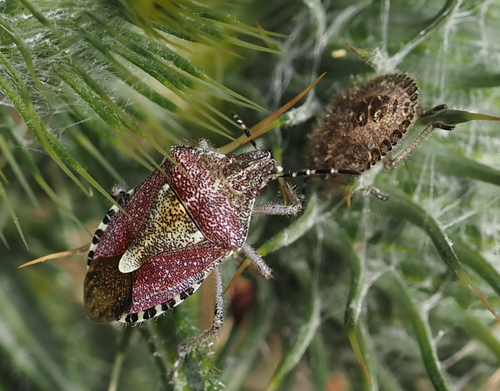
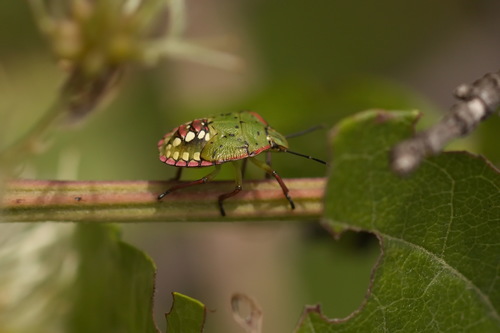
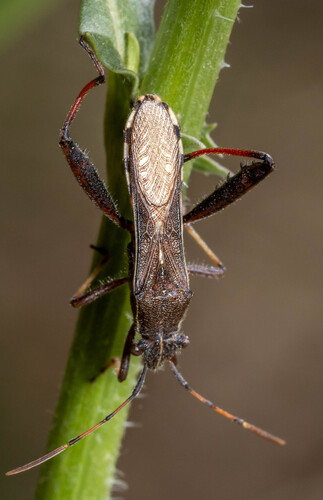
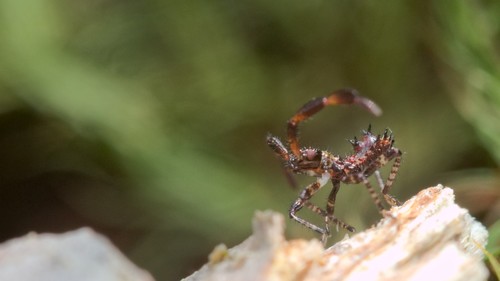
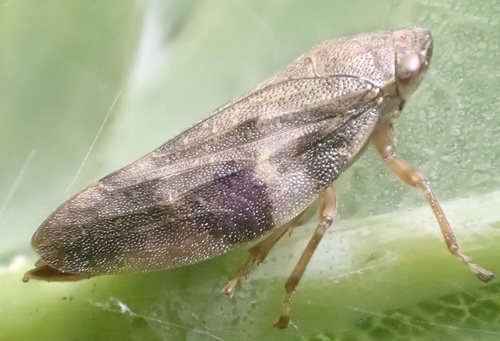
Aphrophora alni, the European alder spittle bug, is a species belonging to the family Aphrophoridae. This species is quite common and widespread. It is present in most of Europe, in the eastern Palearctic realm, in the Near East, and in North Africa. It is naturalized in North America.

These 'froghoppers' inhabit dry and moist habitats of lowlands and mountainous areas, forest edges, hedgerows, meadows, gardens and parks, from the lowlands up to mountains at an elevation up to 1,500 metres (4,900 ft) above sea level.

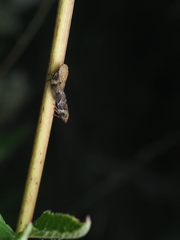
The adults of these large 'froghoppers' reach 9–10 millimetres (0.35–0.39 in) of length, the females are usually slightly larger than the males. The basic coloration of the body is usually brown. Their front wings wear two distinct clear patches on the margins. Head and pronotum have a median keel. The head has a pair of compound eyes and two simple eyes (ocelli). The legs are strongly developed and fit to jump. Tibiae of the rear pair of legs carry several spines.

They can be encountered from May through October on bushes and on several species of trees, especially willows (Salix species), birch (Betula... Wikipedia →
Global Distribution

Parks Where Found

# Park Country Daily sighting probability
1 Tatra National Park 🇸🇰 Slovakia
~10%
2 Bavarian Forest National Park 🇩🇪 Germany
~10%
3 Fertő-Hanság National Park 🇭🇺 Hungary
~10%
4 Cévennes National Park 🇫🇷 France
~10%
5 Snowdonia National Park 🇬🇧 United Kingdom
~10%
6 Pyrénées National Park 🇫🇷 France
~10%
7 Wadden Sea National Park 🇩🇪 Germany
<5%

Cities Where Found

# City Country Daily sighting probability
1 Helsinki 🇫🇮 Finland
~10%
2 Kharkiv 🇺🇦 Ukraine
~10%
3 Leeds 🇬🇧 United Kingdom
~10%
4 Brussels 🇧🇪 Belgium
~10%
5 Paris 🇫🇷 France
~10%
6 Copenhagen 🇩🇰 Denmark
~10%
7 Manchester 🇬🇧 United Kingdom
~10%
8 Stockholm 🇸🇪 Sweden
~10%
9 Essen 🇩🇪 Germany
~10%
10 Birmingham 🇬🇧 United Kingdom
~10%

Before you go

What are the chances of seeing a European Alder Spittlebug in Fertő-Hanság National Park?

With luck

About 10% of wildlife watchers report a European Alder Spittlebug sighting in Fertő-Hanság National Park on a given day, based on 14 verified sightings from GBIF citizen-science data from 2019 to 2026. It is the 96th most-seen of the 243 insects we can rate there. Over three days the chance rises to about 20%, and over a week to about 50%, if each day is a fresh chance.

When is the best time to see a European Alder Spittlebug in Fertő-Hanság National Park?

June

In that month about 20% of wildlife watchers report a European Alder Spittlebug in Fertő-Hanság National Park on a given day, against under 5% in July to May, the lowest months.

What time of day is best to see a European Alder Spittlebug?

Between 1 and 4 pm

Across all the parks we cover, that three-hour window holds the most European Alder Spittlebug sightings with a recorded time, and about 8 in 10 of them come between 6 am and 6 pm: it is a daytime animal.

Is Fertő-Hanság National Park the best place to see a European Alder Spittlebug?

Among the best

Of the 7 parks where we can rate European Alder Spittlebug sightings, Fertő-Hanság National Park ranks 3rd at about 10%, level with the leaders once rounded. The best odds are in Tatra National Park (Slovakia, about 10%) and Bavarian Forest National Park (Germany, about 10%).

Where does the European Alder Spittlebug sighting chance come from?

GBIF citizen-science records

It is estimated from how often the European Alder Spittlebug is recorded against all the insects logged in Fertő-Hanság National Park (14 verified sightings from 2019 to 2026), calibrated against known sighting rates. Figures are rounded to the nearest 10% because citizen-science data supports honest approximations, not decimals, and months with records from fewer than five people show "—". How it works.

← Back to Fertő-Hanság National Park