
European Beewolf

European Beewolf

Philanthus triangulum

Daily sighting probability ~10% · With luck
at Fertő-Hanság National Park

In 3 days ~20% in a week ~40%

10 Verified sightings at Fertő-Hanság National Park From 2019 to 2026
83 In all 4 parks
July Best month
☀️ Diurnal When it's spotted

About the European Beewolf

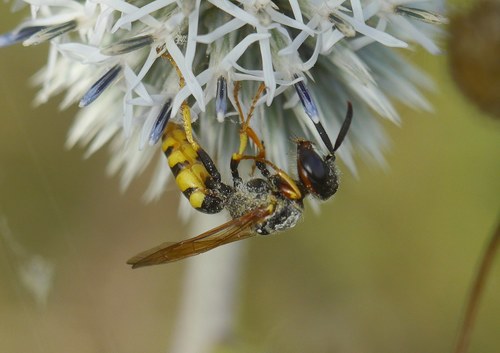
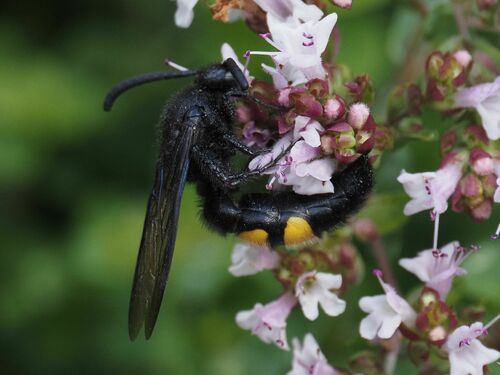
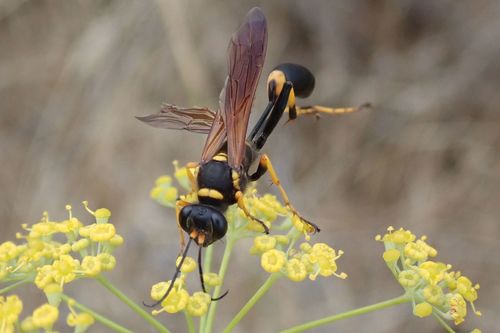
The European beewolf (Philanthus triangulum), also known as the bee-killer wasp or the bee-eating philanthus (from the now obsolete synonym Philanthus apivorus), is a solitary wasp that lives in the Western Palearctic and Afrotropics. Although the adults of the species are herbivores (feeding on nectar and pollen), the species derives its name from the behaviour of the inseminated females, who hunt western honey bees. The female places several of its paralysed prey together with an egg in a small underground chamber, to serve as food for the wasp larvae. All members of the genus Philanthus hunt various species of bees, but P. triangulum is apparently the only one that specialises in western honey bees.

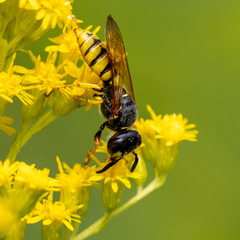
The European beewolf is a species of solitary wasp with bold yellow and black markings on the abdomen, males have trident-shaped markings between their bluish eyes while the larger females have a reddish stripe behind the eyes and a pale face.

The European beewolf is found mainly in areas of open sandy ground in areas such as lowland heathland and coastal dunes. They are infrequently found in clay areas and in Britain have been recorded digging burrows... Wikipedia →

Global Distribution

Parks Where Found

# Park Country Daily sighting probability
1 Bavarian Forest National Park 🇩🇪 Germany
~10%
2 Fertő-Hanság National Park 🇭🇺 Hungary
~10%
3 Wadden Sea National Park 🇩🇪 Germany
~10%
4 Table Mountain National Park 🇿🇦 South Africa
<5%

Cities Where Found

# City Country Daily sighting probability
1 Warsaw 🇵🇱 Poland
~20%
2 Kuwait City 🇰🇼 Kuwait
~20%
3 Hamburg 🇩🇪 Germany
~10%
4 Berlin 🇩🇪 Germany
~10%
5 Algiers 🇩🇿 Algeria
~10%
6 London 🇬🇧 United Kingdom
~10%
7 Copenhagen 🇩🇰 Denmark
~10%
8 Kharkiv 🇺🇦 Ukraine
~10%
9 Barcelona 🇪🇸 Spain
~10%
10 Helsinki 🇫🇮 Finland
~10%

Before you go

What are the chances of seeing a European Beewolf in Fertő-Hanság National Park?

With luck

About 10% of wildlife watchers report a European Beewolf sighting in Fertő-Hanság National Park on a given day, based on 10 verified sightings from GBIF citizen-science data from 2019 to 2026. It is the 135th most-seen of the 243 insects we can rate there. Over three days the chance rises to about 20%, and over a week to about 40%, if each day is a fresh chance.

When is the best time to see a European Beewolf in Fertő-Hanság National Park?

July

In that month about 20% of wildlife watchers report a European Beewolf in Fertő-Hanság National Park on a given day, against under 5% in August and October–May, the lowest months.

What time of day is best to see a European Beewolf?

Between 3 and 6 pm

Across all the parks we cover, that three-hour window holds the most European Beewolf sightings with a recorded time, and about 8 in 10 of them come between 6 am and 6 pm: it is a daytime animal.

Is Fertő-Hanság National Park the best place to see a European Beewolf?

Among the best

Of the 4 parks where we can rate European Beewolf sightings, Fertő-Hanság National Park ranks 2nd at about 10%, level with the leaders once rounded. The best odds are in Bavarian Forest National Park (Germany, about 10%).

Which relatives of the European Beewolf live in Fertő-Hanság National Park?

Same order: Hymenoptera

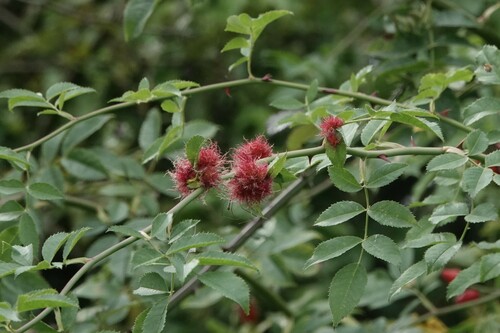
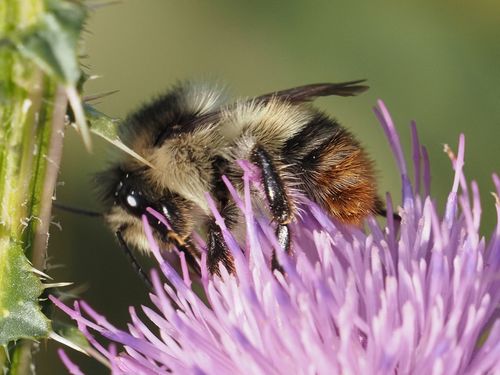
The closest relatives of the European Beewolf that you can see in Fertő-Hanság National Park (order Hymenoptera, Ants, Bees, Wasps, and Sawflies) are Mossy Rose Gall Wasp (about 10%), Shrill Carder-Bumble Bee (about 10%) and Scolia hirta (about 10%), with each one's daily chance of a sighting.

Where does the European Beewolf sighting chance come from?

GBIF citizen-science records

It is estimated from how often the European Beewolf is recorded against all the insects logged in Fertő-Hanság National Park (10 verified sightings from 2019 to 2026), calibrated against known sighting rates. Figures are rounded to the nearest 10% because citizen-science data supports honest approximations, not decimals, and months with records from fewer than five people show "—". How it works.

← Back to Fertő-Hanság National Park