


Completed


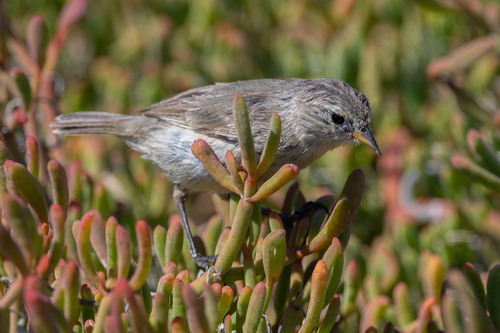
Galápagos Mockingbird
Mimus parvulus
Silhouette: Andy Wilson · PhyloPic
- KingdomAnimalia (Animals)
- PhylumChordata (Chordates)
- ClassAves (Birds)
- OrderPasseriformes (Perching Birds)
- FamilyMimidae (Mockingbirds and Thrashers)
- GenusMimus (Typical Mockingbirds)
- SpeciesMimus parvulus (Galápagos Mockingbird)
In 3 days ~90% in a week >90%
7,114 Verified sightings at Galápagos Islands From 2019 to 2026
7,114 In 1 park
November Best month
☀️ Diurnal When it's spotted
About the Galápagos Mockingbird
The Galápagos mockingbird (Mimus parvulus) is a species of bird in the family Mimidae. It is endemic to the Galápagos Islands, Ecuador. The Galápagos mockingbird is one of four mockingbird species endemic to the Galápagos Islands. These four are all closely related, and DNA evidence shows they likely all descended from an ancestor species which reached the islands in a single colonization event. When John Gould first described the species in 1837, based on specimens brought back from the islands by Charles Darwin, he named it Orpheus parvulus. However, because of the rules of binomial nomenclature, Orpheus was declared a junior synonym, and in 1841, George Robert Gray moved all of the Orpheus mockingbirds to the older genus Mimus. In 1890, Robert Ridgway created the genus Nesomimus for the mockingbirds found on the Galápagos Islands, and most taxonomists adopted the change. Recent DNA studies, however, show that the Nesomimus mockingbirds fall within the traditional genus Mimus, making the latter paraphyletic, so some taxonomists have moved them back into Mimus.
There are six subspecies, each endemic to a particular island or islands: Wikipedia →
Recent sightings of Galápagos Mockingbird in Galápagos Islands
LIVEiNaturalistGlobal Distribution
Parks Where Found
| # | Park | Country | Daily sighting probability |
|---|---|---|---|
| 1 | Galápagos Islands | 🇪🇨 Ecuador |
More parks will be added in future updates.
Zoos & Centres Where Found
| # | Zoo / Centre | Country | |
|---|---|---|---|
| 1 | Cali Zoo | 🇨🇴 Colombia |
Closest Relatives at Galápagos Islands






Before you go
What are the chances of seeing a Galápagos Mockingbird in Galápagos Islands?
Likely
About 50% of wildlife watchers report a Galápagos Mockingbird sighting in Galápagos Islands on a given day, based on 7,114 verified sightings from GBIF citizen-science data from 2019 to 2026. It is the 11th most-seen of the 114 birds we can rate there. Over three days the chance rises to about 90%, and over a week to over 90%, if each day is a fresh chance.
When is the best time to see a Galápagos Mockingbird in Galápagos Islands?
July and November
In those months about 60% of wildlife watchers report a Galápagos Mockingbird in Galápagos Islands on a given day, against about 50% in August–October and December–June, the lowest months. Those are among Galápagos Islands's driest months, with almost no rain against 50 mm in March.
What time of day is best to see a Galápagos Mockingbird?
Between 9 am and noon
Across all the parks we cover, that three-hour window holds the most Galápagos Mockingbird sightings with a recorded time, and about 9 in 10 of them come between 6 am and 6 pm: it is a daytime animal.
Where else can you see a Galápagos Mockingbird?
Only Galápagos Islands, in our data
Galápagos Islands is the only park on Wallace's Line with enough records to rate Galápagos Mockingbird sightings: about 50% of wildlife watchers there report one on a given day.
Which relatives of the Galápagos Mockingbird live in Galápagos Islands?
Same genus: Mimus
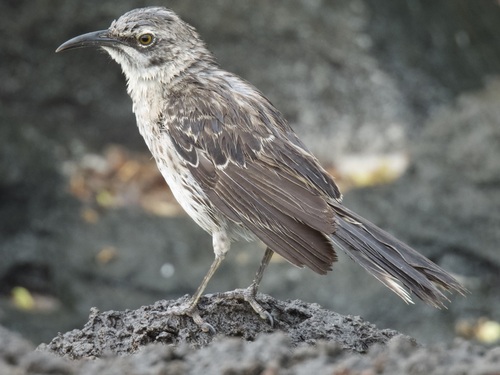
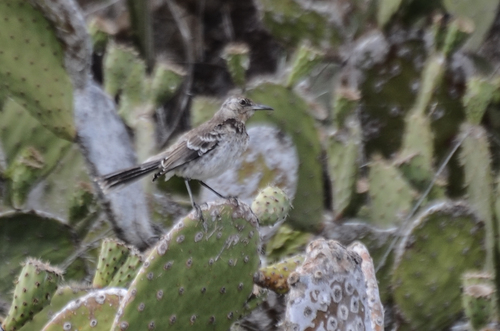
The closest relatives of the Galápagos Mockingbird that you can see in Galápagos Islands (genus Mimus, Typical Mockingbirds) are San Cristobal Mockingbird (about 10%) and Española Mockingbird (about 10%), with each one's daily chance of a sighting.
Where does the Galápagos Mockingbird sighting chance come from?
GBIF citizen-science records
It is estimated from how often the Galápagos Mockingbird is recorded against all the birds logged in Galápagos Islands (7,114 verified sightings from 2019 to 2026), calibrated against known sighting rates. Figures are rounded to the nearest 10% because citizen-science data supports honest approximations, not decimals, and months with records from fewer than five people show "—". How it works.
