
Eastern Striped Skink

Eastern Striped Skink

Ctenotus robustus

Silhouette: David Orr · PhyloPic

LCLeast ConcernNTVUENCR Endemic
Daily sighting probability ~20% · Possible
at Grampians National Park

In 3 days ~50% in a week ~80%

19 Verified sightings at Grampians National Park From 2019 to 2026
27 In all 2 parks
August Best month
☀️ Diurnal When it's spotted

About the Eastern Striped Skink

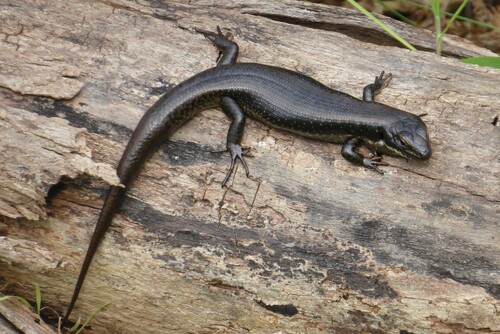
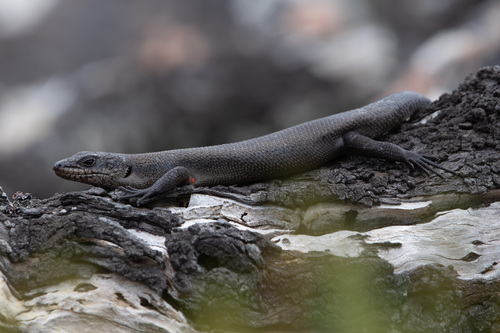
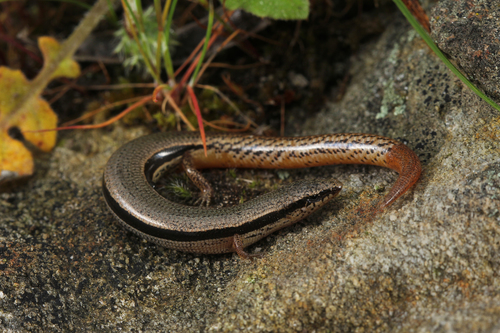
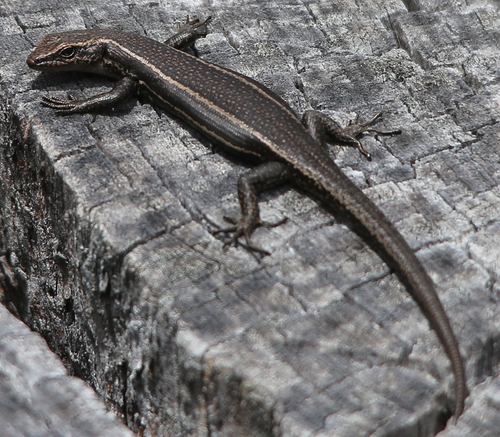
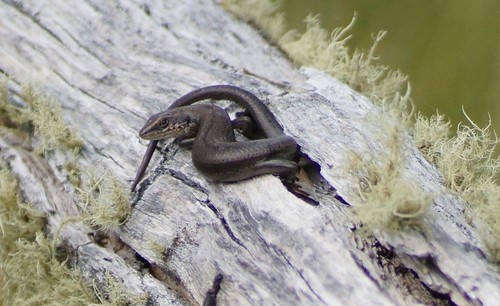
Ctenotus robustus, the eastern striped skink, is a species of skink found in a wide variety of habitats around Australia. They are long-tailed, fast moving skinks that are quite large, growing to a maximum length of about 30 cm (including the tail which can make up around 2/3 of its length). This skink is mostly brown with a white-edged black stripe running down the length of its back and tail with broad brown stripes along the side of the body with rows of white spots. The sides become lighter, turning into an off-white colour towards the underside of the skink, running from the groin to the chin. The striped skink (Ctenotus robustus) is similar in appearance to the spotted-back skink (Ctenotus uber orientalis) with the main identifying difference being the solid stripe running down the back of C. robustus whereas C. uber orientalis has a row of dots.

The eastern striped skink is a wary diurnal skink that typically inhabits mostly open areas with the option of shelter in grass, low shrubs or rocks, and will burrow under rocks or logs when seeking shelter. C. robustus are diurnal creatures and surface active, using rocks, logs and ground litter for shelter and create burrows... Wikipedia →

Global Distribution

Parks Where Found

# Park Country Daily sighting probability
1 Flinders Ranges National Park 🇦🇺 Australia
~20%
2 Grampians National Park 🇦🇺 Australia
~20%

Cities Where Found

# City Country Daily sighting probability
1 Brisbane 🇦🇺 Australia
~20%

Closest Relatives at Grampians National Park

Before you go

What are the chances of seeing an Eastern Striped Skink in Grampians National Park?

Possible

About 20% of wildlife watchers report an Eastern Striped Skink sighting in Grampians National Park on a given day, based on 19 verified sightings from GBIF citizen-science data from 2019 to 2026. It is the 15th most-seen of the 25 reptiles we can rate there. Over three days the chance rises to about 50%, and over a week to about 80%, if each day is a fresh chance.

When is the best time to see an Eastern Striped Skink in Grampians National Park?

August and October–November

In those months about 30% of wildlife watchers report an Eastern Striped Skink in Grampians National Park on a given day, against under 5% in April–June and December, the lowest months.

What time of day is best to see an Eastern Striped Skink?

Between 10 am and 1 pm

Across all the parks we cover, that three-hour window holds the most Eastern Striped Skink sightings with a recorded time, and about 9 in 10 of them come between 6 am and 6 pm: it is a daytime animal.

Is Grampians National Park the best place to see an Eastern Striped Skink?

Among the best

Of the 2 parks where we can rate Eastern Striped Skink sightings, Grampians National Park ranks 2nd at about 20%, level with the leaders once rounded. The best odds are in Flinders Ranges National Park (Australia, about 20%).

Where does the Eastern Striped Skink sighting chance come from?

GBIF citizen-science records

It is estimated from how often the Eastern Striped Skink is recorded against all the reptiles logged in Grampians National Park (19 verified sightings from 2019 to 2026), calibrated against known sighting rates. Figures are rounded to the nearest 10% because citizen-science data supports honest approximations, not decimals, and months with records from fewer than five people show "—". How it works.

← Back to Grampians National Park