Cool-temperate Water Skink

Cool-temperate Water Skink

Eulamprus tympanum

Silhouette: David Orr · PhyloPic

LCLeast ConcernNTVUENCR Endemic
Daily sighting probability ~70% · Very likely
at Grampians National Park

In 3 days >90%

229 Verified sightings at Grampians National Park From 2019 to 2026
604 In all 4 parks
February Best month
☀️ Diurnal When it's spotted

About the Cool-temperate Water Skink

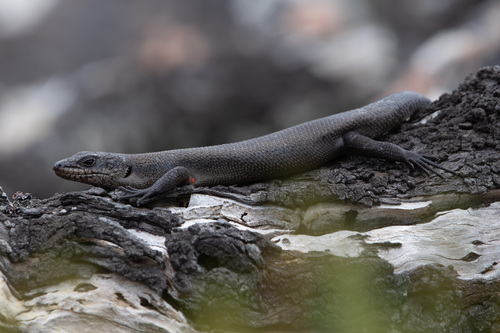
The southern water skink, cool-temperate water-skink, highland water skink, or Dreeite water skink (Eulamprus tympanum) is a medium-sized (maximum snout-vent length c. 100 mm) species of skink that is endemic to Australia. These skinks are found in New South Wales, South Australia, Victoria as well as on Tasmania's Rodondo Island in the Bass Strait. They are viviparous, mating in spring, and giving birth to live young in mid to late summer.

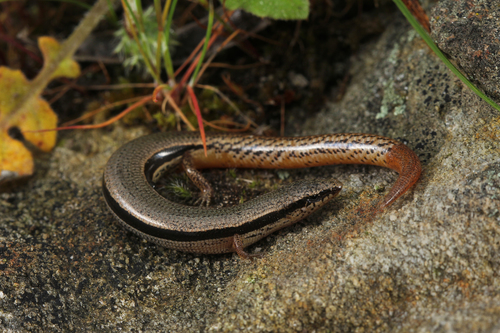
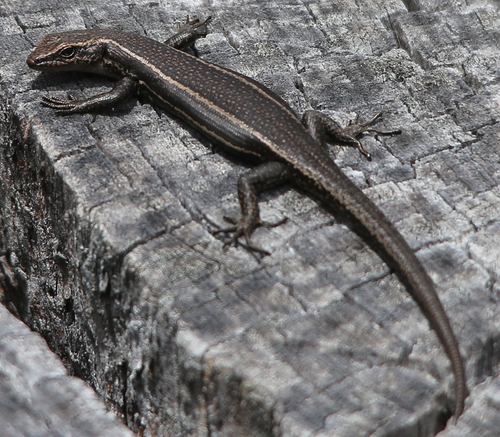
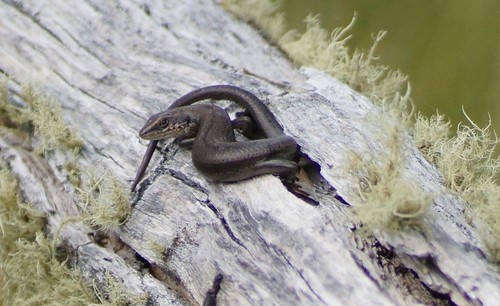
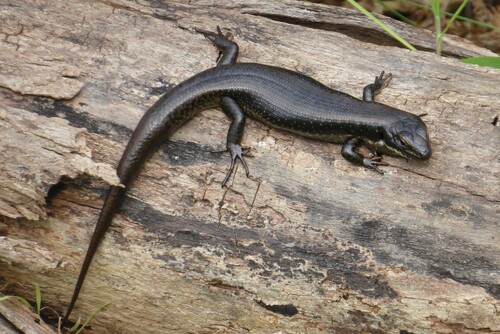
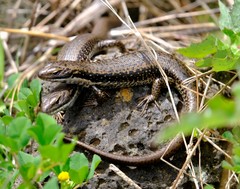
The southern water skink is a medium-sized skink with a snout-to-vent length of up to 85 mm (3.3 in). The head and body are mainly olive-brown, with darker speckles. The flanks are olive-brown with pale speckling. This species is native to southeastern Australia. It is found in the states of New South Wales, Victoria, the eastern part of Southern Australia and Tasmania, where it only occurs on Rodondo Island. Its habitat is in the vicinity of fresh water and its altitudinal range extends from sea level to near the top of Mount Kosciuszko.

The skink usually lives near small creeks, hunting for small prey such as invertebrates, tadpoles, small frogs and other small skinks. Its metabolic... Wikipedia →
Global Distribution

Parks Where Found

# Park Country Daily sighting probability
1 Grampians National Park 🇦🇺 Australia
~70%
2 Wilsons Promontory National Park 🇦🇺 Australia
~60%
3 Great Otway National Park 🇦🇺 Australia
~40%
4 Kosciuszko National Park 🇦🇺 Australia
~30%

Cities Where Found

# City Country Daily sighting probability
1 Melbourne 🇦🇺 Australia
~10%

Closest Relatives at Grampians National Park

Before you go

What are the chances of seeing a Cool-temperate Water Skink in Grampians National Park?

Very likely

About 70% of wildlife watchers report a Cool-temperate Water Skink sighting in Grampians National Park on a given day, based on 229 verified sightings from GBIF citizen-science data from 2019 to 2026. It is the 2nd most-seen of the 25 reptiles we can rate there. Over three days the chance rises to over 90%, if each day is a fresh chance.

When is the best time to see a Cool-temperate Water Skink in Grampians National Park?

November to February

In those months about 80% of wildlife watchers report a Cool-temperate Water Skink in Grampians National Park on a given day, against under 5% in June and July, the lowest months.

What time of day is best to see a Cool-temperate Water Skink?

Between noon and 3 pm

Across all the parks we cover, that three-hour window holds the most Cool-temperate Water Skink sightings with a recorded time, and nearly all of them come between 6 am and 6 pm: it is a daytime animal.

Which relatives of the Cool-temperate Water Skink live in Grampians National Park?

Same family: Scincidae

The closest relatives of the Cool-temperate Water Skink that you can see in Grampians National Park (family Scincidae, Skinks) are Shingleback Lizard (about 70%), Black Crevice-skink (about 60%) and Pale-flecked Garden Sunskink (about 50%), with each one's daily chance of a sighting.

Where does the Cool-temperate Water Skink sighting chance come from?

GBIF citizen-science records

It is estimated from how often the Cool-temperate Water Skink is recorded against all the reptiles logged in Grampians National Park (229 verified sightings from 2019 to 2026), calibrated against known sighting rates. Figures are rounded to the nearest 10% because citizen-science data supports honest approximations, not decimals, and months with records from fewer than five people show "—". How it works.

← Back to Grampians National Park