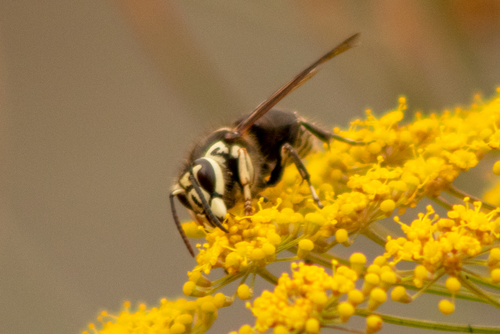
Golden Northern Bumble Bee

Golden Northern Bumble Bee

Bombus fervidus

Daily sighting probability ~10% · With luck
at Grand Teton National Park

In 3 days ~20% in a week ~40%

11 Verified sightings at Grand Teton National Park From 2019 to 2026
26 In all 2 parks
June Best month
☀️ Diurnal When it's spotted

About the Golden Northern Bumble Bee

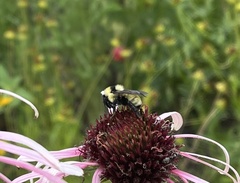
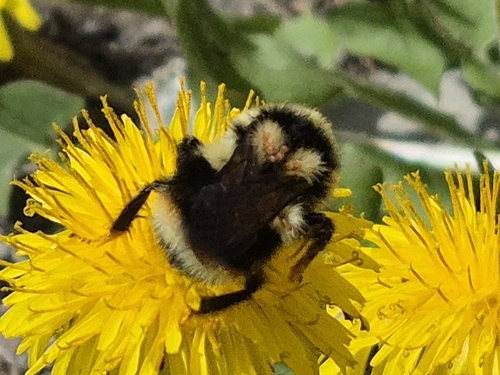
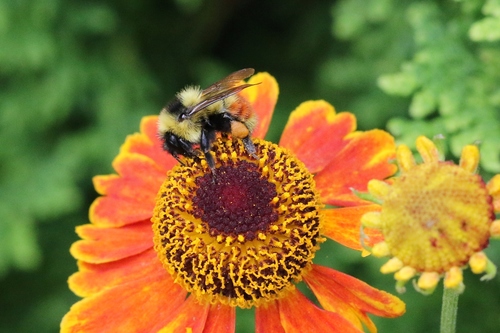
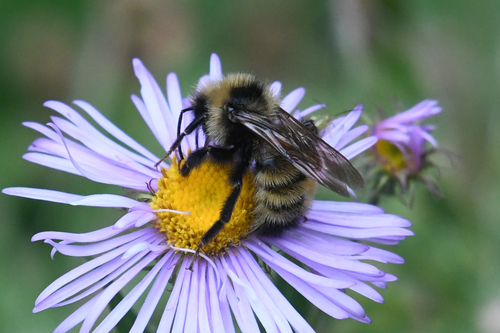
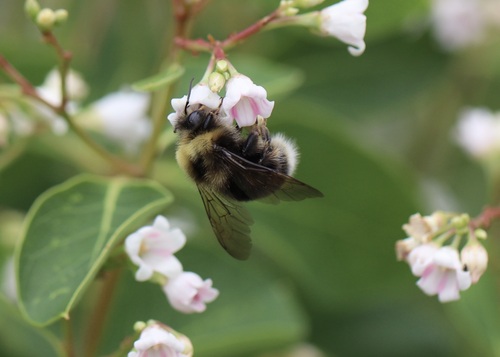
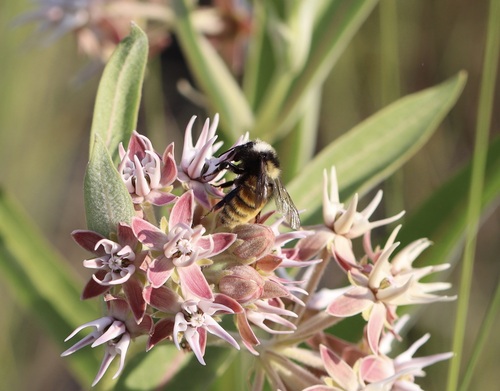
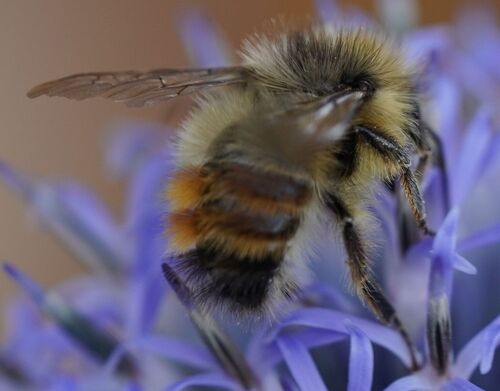
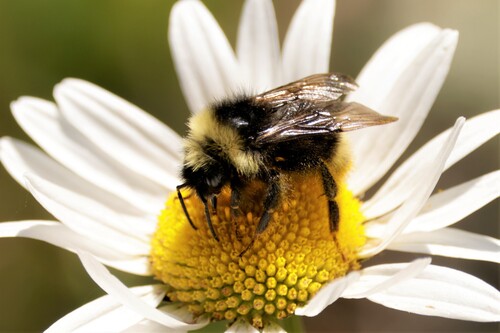
Bombus fervidus, the golden northern bumble bee or yellow bumblebee, is a species of bumblebee native to North America. It has a yellow-colored abdomen and thorax. Its range includes the North American continent, excluding much of the southern United States, Alaska, and the northern parts of Canada. It is common in cities and farmland, with populations concentrated in the Northeastern part of the United States. It is similar in color and range to its sibling species, Bombus californicus, though sometimes also confused with the American bumblebee (Bombus pensylvanicus) or black and gold bumblebee (Bombus auricomus). It has complex behavioral traits, which includes a coordinated nest defense to ward off predators. B. fervidus is an important pollinator, so recent population decline is a particular concern.

Danish zoologist Johan Christian Fabricius first identified Bombus fervidus, also known as the yellow bumblebee or golden northern bumblebee, in 1798. B. fervidus is a member of the order Hymenoptera, which comprises wasps, ants, bees, and sawflies. Bombus is the Latin word for "buzzing". It is also in the Apidae, which is a diverse family of bees including... Wikipedia →
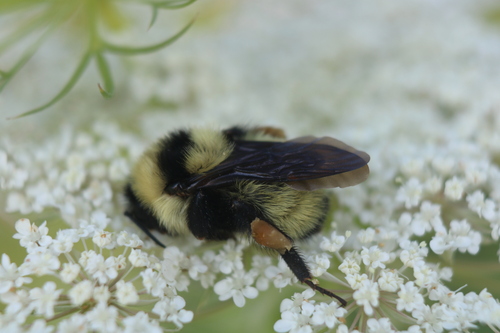
Global Distribution

Parks Where Found

# Park Country Daily sighting probability
1 Grand Teton National Park 🇺🇸 United States
~10%
2 Yellowstone National Park 🇺🇸 United States
~10%

Cities Where Found

# City Country Daily sighting probability
1 Salt Lake City 🇺🇸 United States
~20%
2 Denver 🇺🇸 United States
~20%
3 Minneapolis [Saint Paul] 🇺🇸 United States
~20%
4 Detroit 🇺🇸 United States
~10%
5 Chicago 🇺🇸 United States
~10%
6 New York City 🇺🇸 United States
~10%
7 Boston 🇺🇸 United States
~10%
8 Baltimore 🇺🇸 United States
~10%
9 Philadelphia 🇺🇸 United States
~10%
10 Washington 🇺🇸 United States
<5%

Before you go

What are the chances of seeing a Golden Northern Bumble Bee in Grand Teton National Park?

With luck

About 10% of wildlife watchers report a Golden Northern Bumble Bee sighting in Grand Teton National Park on a given day, based on 11 verified sightings from GBIF citizen-science data from 2019 to 2026. It is the 86th most-seen of the 140 insects we can rate there. Over three days the chance rises to about 20%, and over a week to about 40%, if each day is a fresh chance.

When is the best time to see a Golden Northern Bumble Bee in Grand Teton National Park?

June to August

In those months about 10% of wildlife watchers report a Golden Northern Bumble Bee in Grand Teton National Park on a given day, against under 5% in September to May, the lowest months. Those are among Grand Teton National Park's driest months, with about 30 mm of rain a month against 85 mm in December.

What time of day is best to see a Golden Northern Bumble Bee?

Between 1 and 4 pm

Across all the parks we cover, that three-hour window holds the most Golden Northern Bumble Bee sightings with a recorded time, and about 9 in 10 of them come between 6 am and 6 pm: it is a daytime animal.

Is Grand Teton National Park the best place to see a Golden Northern Bumble Bee?

Yes

Of the 2 parks where we can rate Golden Northern Bumble Bee sightings, Grand Teton National Park has the highest daily chance: about 10%. Next come Yellowstone National Park (United States, about 10%).

Which relatives of the Golden Northern Bumble Bee live in Grand Teton National Park?

Same genus: Bombus

The closest relatives of the Golden Northern Bumble Bee that you can see in Grand Teton National Park (genus Bombus, Bumble Bees) are Vancouver Bumble Bee (about 20%), Nevada Bumble Bee (about 10%) and Red-Belted Bumble Bee (about 10%), with each one's daily chance of a sighting.

Where does the Golden Northern Bumble Bee sighting chance come from?

GBIF citizen-science records

It is estimated from how often the Golden Northern Bumble Bee is recorded against all the insects logged in Grand Teton National Park (11 verified sightings from 2019 to 2026), calibrated against known sighting rates. Figures are rounded to the nearest 10% because citizen-science data supports honest approximations, not decimals, and months with records from fewer than five people show "—". How it works.

← Back to Grand Teton National Park