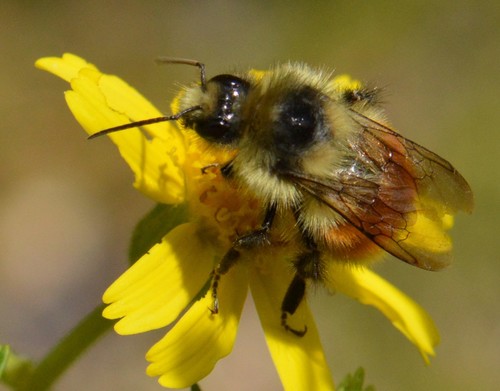
Black-Tailed Bumble Bee

Black-Tailed Bumble Bee

Bombus melanopygus

Daily sighting probability ~20% · Possible
at Great Bear Rainforest

In 3 days ~40% in a week ~70%

80 Verified sightings at Great Bear Rainforest From 2019 to 2026
503 In all 13 parks
May Best month
☀️ Diurnal When it's spotted

About the Black-Tailed Bumble Bee

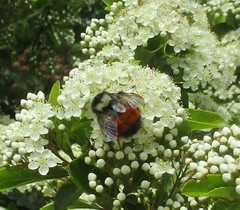
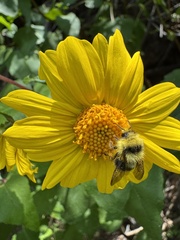
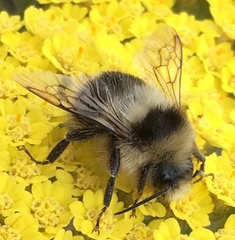
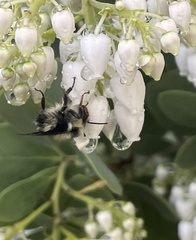
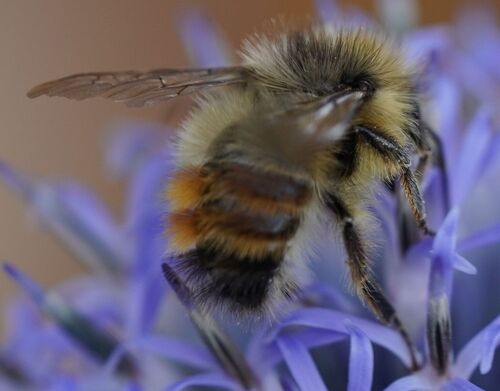
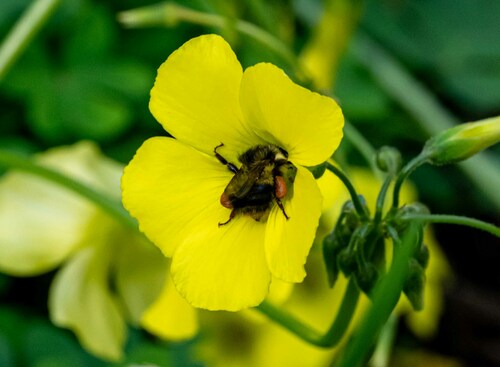
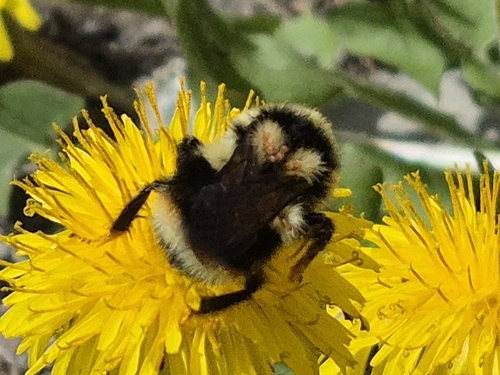
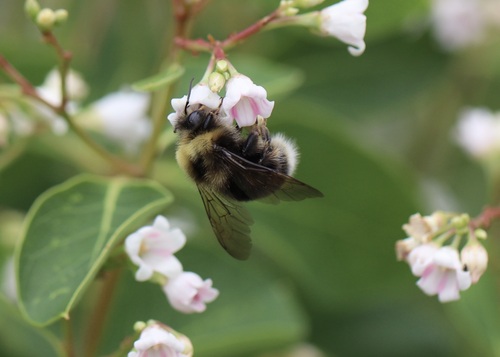
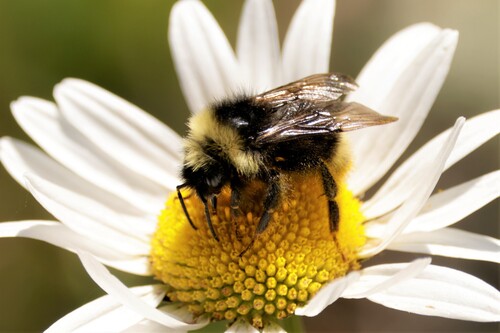
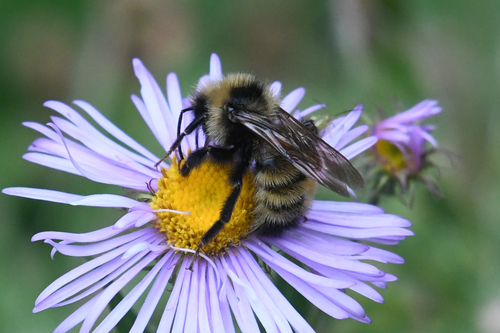
Bombus melanopygus, the black-tailed bumble bee, black tail bumble bee or orange-rumped bumblebee, is a species of bumblebee native to western North America. This bee is widely distributed across western North America, from the Pacific to the Rocky Mountains, and from Alaska to Baja California.

There are two forms of the black-tailed bumblebee: Red form (“red butts,” Bombus melanopygus melanopygus) found primarily in higher latitudes of Oregon and points north, and in the Mountain West Dark color form (Bombus melanopygus edwardsii) is most common in California and southern Oregon

(The second and third abdominal segments are red in northern populations and black in southern; individuals with black segments were previously known as Bombus edwardsii, a separate species. Genetic analyses support the conclusion that the two forms are the same species, with B. edwardsii as a synonym.)

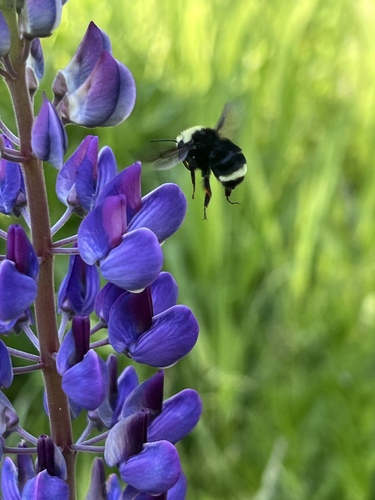
This bumblebee can utilize a number of habitat types, including agricultural and urban areas. It is "one of the few bumblebees still found regularly in San Francisco". It feeds on many types of plants, including manzanitas, Ceanothus, goldenbushes, wild buckwheats, lupines, penstemons, rhododendrons, willows, sages, and clovers. It nests underground or aboveground in structures.

This species is a host to the zombie fly (Apocephalus borealis). Wikipedia →
Global Distribution

Parks Where Found

# Park Country Daily sighting probability
1 Wrangell-St. Elias National Park 🇺🇸 United States
~30%
2 Pacific Rim National Park Reserve 🇨🇦 Canada
~20%
3 Glacier National Park 🇺🇸 United States
~20%
4 Great Bear Rainforest 🇨🇦 Canada
~20%
5 Channel Islands National Park 🇺🇸 United States
~20%
6 Olympic National Park 🇺🇸 United States
~20%
7 Jasper National Park 🇨🇦 Canada
~10%
8 Banff National Park 🇨🇦 Canada
~10%
9 Sequoia and Kings Canyon National Parks 🇺🇸 United States
~10%
10 Redwood National Park 🇺🇸 United States
~10%
11 Yosemite National Park 🇺🇸 United States
~10%
12 Rocky Mountain National Park 🇺🇸 United States
~10%
13 Saguaro National Park 🇺🇸 United States
<5%

Cities Where Found

# City Country Daily sighting probability
1 Portland 🇺🇸 United States
~20%
2 Seattle 🇺🇸 United States
~20%
3 Sacramento 🇺🇸 United States
~20%
4 Vancouver 🇨🇦 Canada
~20%
5 San Francisco 🇺🇸 United States
~10%
6 San Diego 🇺🇸 United States
~10%
7 Los Angeles 🇺🇸 United States
~10%

Before you go

What are the chances of seeing a Black-Tailed Bumble Bee in Great Bear Rainforest?

Possible

About 20% of wildlife watchers report a Black-Tailed Bumble Bee sighting in Great Bear Rainforest on a given day, based on 80 verified sightings from GBIF citizen-science data from 2019 to 2026. It is the 7th most-seen of the 235 insects we can rate there. Over three days the chance rises to about 40%, and over a week to about 70%, if each day is a fresh chance.

When is the best time to see a Black-Tailed Bumble Bee in Great Bear Rainforest?

May

In that month about 30% of wildlife watchers report a Black-Tailed Bumble Bee in Great Bear Rainforest on a given day, against under 5% in October to February, the lowest months. That is one of Great Bear Rainforest's driest months, with about 140 mm of rain against 480 mm in November.

What time of day is best to see a Black-Tailed Bumble Bee?

Between noon and 3 pm

Across all the parks we cover, that three-hour window holds the most Black-Tailed Bumble Bee sightings with a recorded time, and about 9 in 10 of them come between 6 am and 6 pm: it is a daytime animal.

Which relatives of the Black-Tailed Bumble Bee live in Great Bear Rainforest?

Same genus: Bombus

The closest relatives of the Black-Tailed Bumble Bee that you can see in Great Bear Rainforest (genus Bombus, Bumble Bees) are Yellow-Fronted Bumble Bee (about 30%), Sitka Bumble Bee (about 20%) and Vancouver Bumble Bee (about 10%), with each one's daily chance of a sighting.

Where does the Black-Tailed Bumble Bee sighting chance come from?

GBIF citizen-science records

It is estimated from how often the Black-Tailed Bumble Bee is recorded against all the insects logged in Great Bear Rainforest (80 verified sightings from 2019 to 2026), calibrated against known sighting rates. Figures are rounded to the nearest 10% because citizen-science data supports honest approximations, not decimals, and months with records from fewer than five people show "—". How it works.

← Back to Great Bear Rainforest