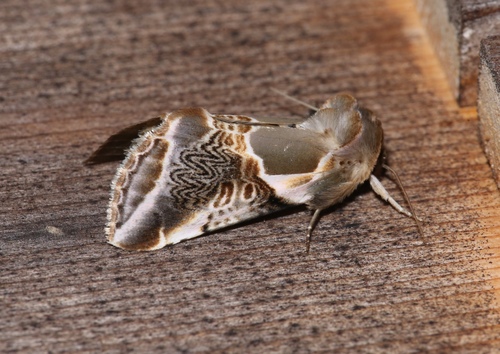
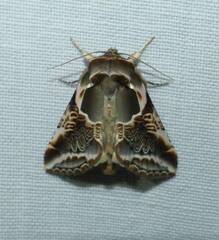
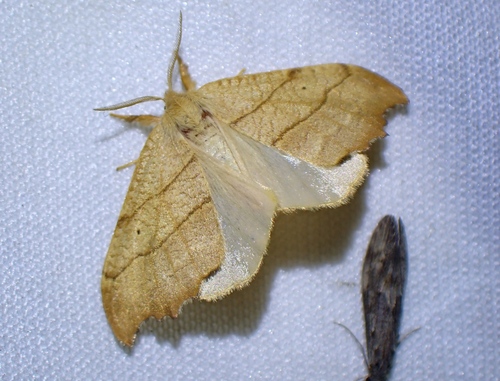
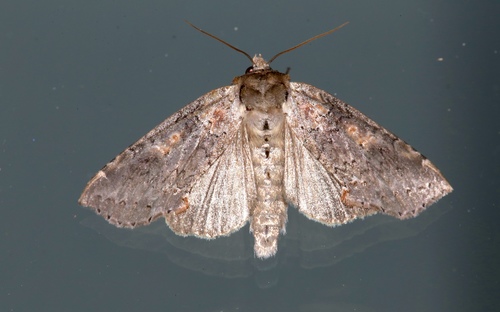

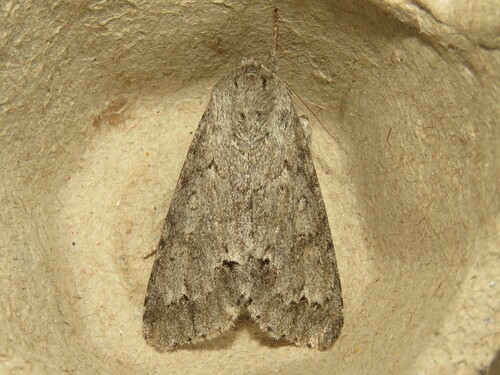
Lettered Habrosyne Moth

Lettered Habrosyne Moth

Habrosyne scripta

Daily sighting probability ~10% · With luck
at Great Bear Rainforest

In 3 days ~20% in a week ~40%

20 Verified sightings at Great Bear Rainforest From 2019 to 2026
111 In all 8 parks
July Best month
☀️🌙 Day & Night When it's spotted

About the Lettered Habrosyne Moth

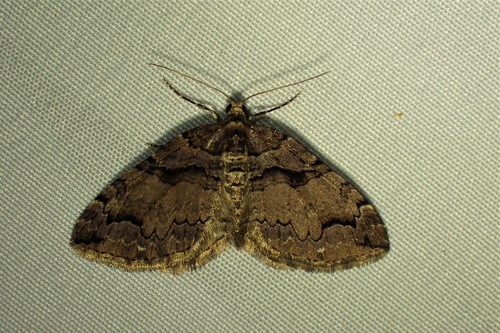
Habrosyne scripta, the lettered habrosyne or scribe, is a moth of the family Drepanidae. It was first described by Philip Henry Gosse in 1840. It is found in southern Canada and the northern United States, from Labrador to Vancouver Island, south in the Appalachians, Ozarks and Rocky Mountains to North Carolina and Mississippi and south in the west to Arizona.

The wingspan is 30–39 mm. Adults are on wing from May to August. There are two generations per year. The larvae feed on the leaves of Rubus species (including black raspberry and purple-flowering raspberry). Wikipedia →

Global Distribution

Parks Where Found

# Park Country Daily sighting probability
1 Gros Morne National Park 🇨🇦 Canada
~10%
2 Jasper National Park 🇨🇦 Canada
~10%
3 Pacific Rim National Park Reserve 🇨🇦 Canada
~10%
4 Great Smoky Mountains National Park 🇺🇸 United States
~10%
5 Great Bear Rainforest 🇨🇦 Canada
~10%
6 Riding Mountain National Park 🇨🇦 Canada
~10%
7 Olympic National Park 🇺🇸 United States
<5%
8 Shenandoah National Park 🇺🇸 United States
<5%

Cities Where Found

# City Country Daily sighting probability
1 Vancouver 🇨🇦 Canada
<5%

Before you go

What are the chances of seeing a Lettered Habrosyne Moth in Great Bear Rainforest?

With luck

About 10% of wildlife watchers report a Lettered Habrosyne Moth sighting in Great Bear Rainforest on a given day, based on 20 verified sightings from GBIF citizen-science data from 2019 to 2026. It is the 64th most-seen of the 235 insects we can rate there. Over three days the chance rises to about 20%, and over a week to about 40%, if each day is a fresh chance.

When is the best time to see a Lettered Habrosyne Moth in Great Bear Rainforest?

July

In that month about 20% of wildlife watchers report a Lettered Habrosyne Moth in Great Bear Rainforest on a given day, against under 5% in September to June, the lowest months. That is one of Great Bear Rainforest's driest months, with about 120 mm of rain against 480 mm in November.

What time of day is best to see a Lettered Habrosyne Moth?

Between 9 pm and midnight

Across all the parks we cover, that three-hour window holds the most Lettered Habrosyne Moth sightings with a recorded time, and about half of them come between 6 pm and 6 am: it is seen both by day and at night.

Is Great Bear Rainforest the best place to see a Lettered Habrosyne Moth?

Among the best

Of the 8 parks where we can rate Lettered Habrosyne Moth sightings, Great Bear Rainforest ranks 5th at about 10%, level with the leaders once rounded. The best odds are in Gros Morne National Park (Canada, about 10%), Jasper National Park (Canada, about 10%) and Pacific Rim National Park Reserve (Canada, about 10%).

Which relatives of the Lettered Habrosyne Moth live in Great Bear Rainforest?

Same family: Drepanidae

The closest relatives of the Lettered Habrosyne Moth that you can see in Great Bear Rainforest (family Drepanidae, Hooktip and False Owlet Moths) are Two-Lined Hooktip (about 10%) and Tufted Thyatirine Moth (about 10%), with each one's daily chance of a sighting.

Where does the Lettered Habrosyne Moth sighting chance come from?

GBIF citizen-science records

It is estimated from how often the Lettered Habrosyne Moth is recorded against all the insects logged in Great Bear Rainforest (20 verified sightings from 2019 to 2026), calibrated against known sighting rates. Figures are rounded to the nearest 10% because citizen-science data supports honest approximations, not decimals, and months with records from fewer than five people show "—". How it works.

← Back to Great Bear Rainforest