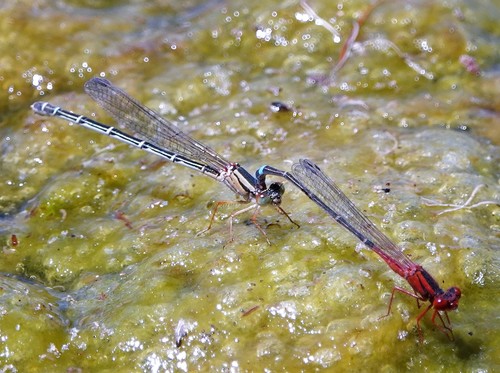
Slender Ringtail

Slender Ringtail

Austrolestes analis

Endemic
Daily sighting probability ~10% · With luck
at Great Otway National Park

In 3 days ~40% in a week ~70%

52 Verified sightings at Great Otway National Park From 2019 to 2026
165 In all 2 parks
December Best month
☀️ Diurnal When it's spotted

About the Slender Ringtail

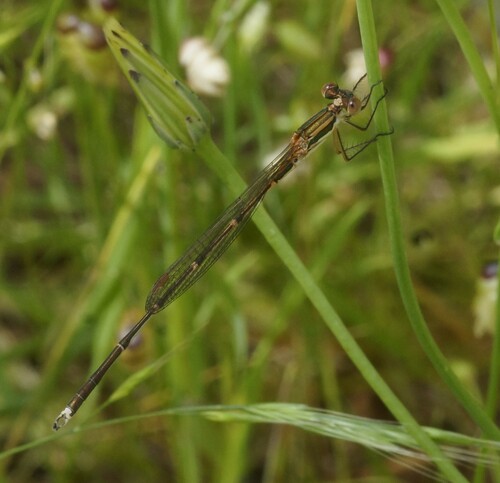
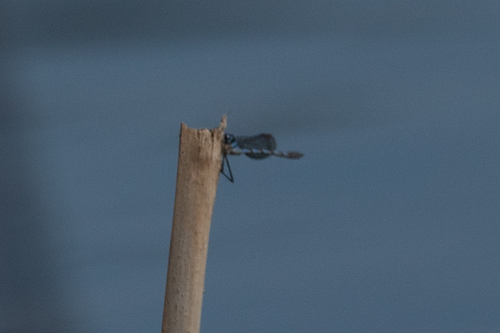
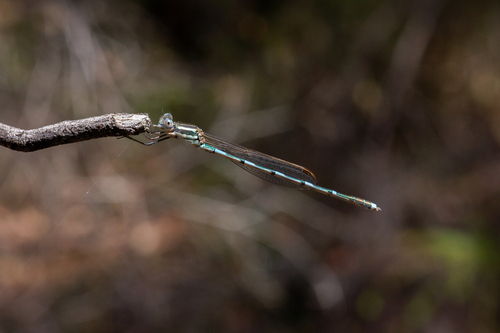
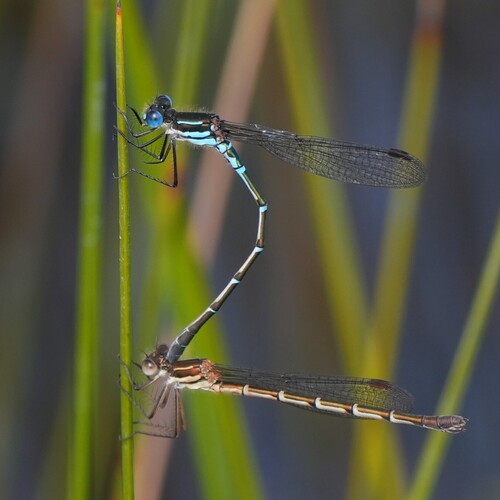
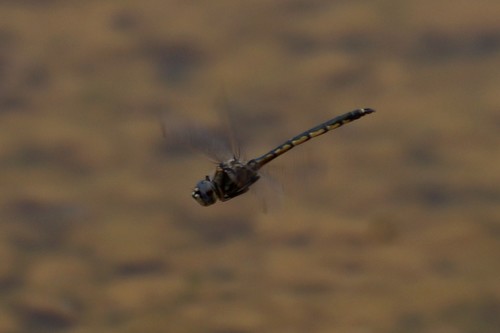
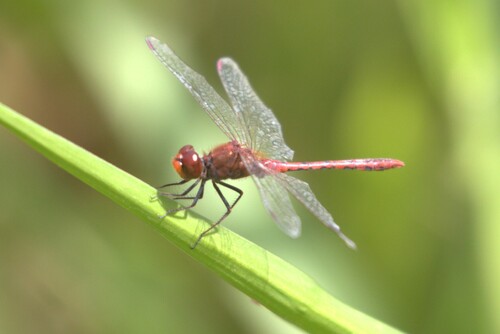
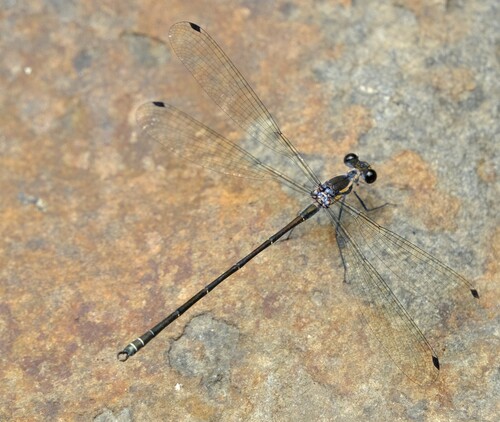
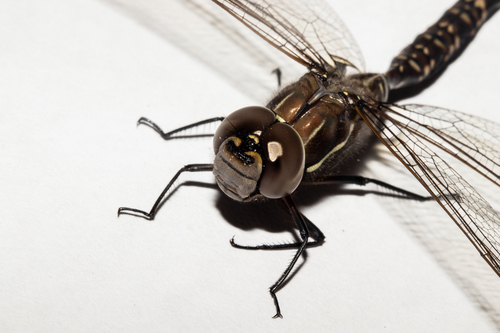
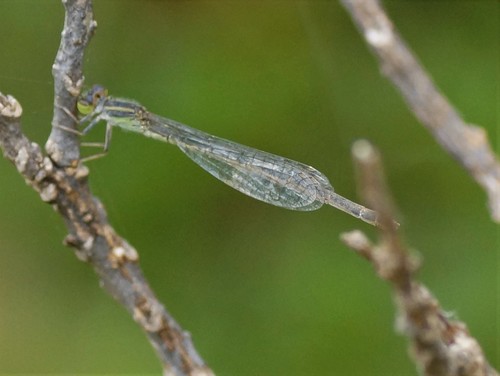
The slender ringtail (Austrolestes analis) is an Australian damselfly in the family Lestidae. It is characterized by having a relatively slender body compared to other species in the genus. The slender ringtail was first described by Jules Pierre Rambur in 1862.

The abdomen is 3-3.2 cm long. Mature males are often pale blue and black although the strength of the blue may vary. Distinguished from other Austrolestes by the pattern on the upper thorax, most closely resembling that of Austrolestes aridus.

It is found in south-western Western Australia, south-eastern South Australia, Victoria, New South Wales and Tasmania. It is active through Spring to Autumn near lakes, slow flowing rivers and nearby vegetation. The genus name Austrolestes combines the prefix austro- (from Latin auster, meaning “south wind”, hence “southern”) with Lestes, a genus name derived from Greek λῃστής (lēstēs, “robber”).

The species name analis is Latin for "of the anus", likely referring to features of the anal region. Wikipedia →

Global Distribution

Parks Where Found

# Park Country Daily sighting probability
1 Grampians National Park 🇦🇺 Australia
~20%
2 Great Otway National Park 🇦🇺 Australia
~10%

Cities Where Found

# City Country Daily sighting probability
1 Melbourne 🇦🇺 Australia
~10%
2 Perth 🇦🇺 Australia
~10%
3 Sydney 🇦🇺 Australia
<5%

Before you go

What are the chances of seeing a Slender Ringtail in Great Otway National Park?

With luck

About 10% of wildlife watchers report a Slender Ringtail sighting in Great Otway National Park on a given day, based on 52 verified sightings from GBIF citizen-science data from 2019 to 2026. It is the 29th most-seen of the 418 insects we can rate there. Over three days the chance rises to about 40%, and over a week to about 70%, if each day is a fresh chance.

When is the best time to see a Slender Ringtail in Great Otway National Park?

December

In that month about 30% of wildlife watchers report a Slender Ringtail in Great Otway National Park on a given day, against under 5% in June to October, the lowest months.

What time of day is best to see a Slender Ringtail?

Between 9 am and noon

Across all the parks we cover, that three-hour window holds the most Slender Ringtail sightings with a recorded time, and about 9 in 10 of them come between 6 am and 6 pm: it is a daytime animal.

Is Great Otway National Park the best place to see a Slender Ringtail?

2nd of 2

Of the 2 parks where we can rate Slender Ringtail sightings, Great Otway National Park ranks 2nd at about 10%. The best odds are in Grampians National Park (Australia, about 20%).

Which relatives of the Slender Ringtail live in Great Otway National Park?

Same genus: Austrolestes

The closest relatives of the Slender Ringtail that you can see in Great Otway National Park (genus Austrolestes, Ringtails) are Blue Ringtail (about 10%), Wandering Ringtail (about 10%) and Cup Ringtail (about 10%), with each one's daily chance of a sighting.

Where does the Slender Ringtail sighting chance come from?

GBIF citizen-science records

It is estimated from how often the Slender Ringtail is recorded against all the insects logged in Great Otway National Park (52 verified sightings from 2019 to 2026), calibrated against known sighting rates. Figures are rounded to the nearest 10% because citizen-science data supports honest approximations, not decimals, and months with records from fewer than five people show "—". How it works.

← Back to Great Otway National Park