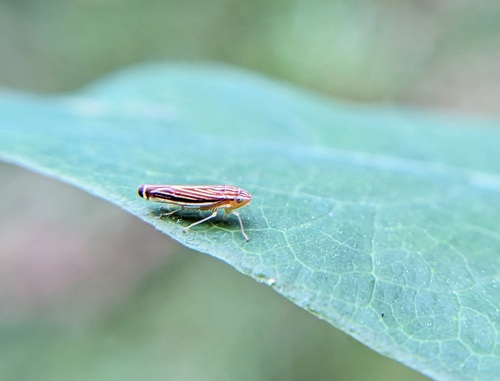
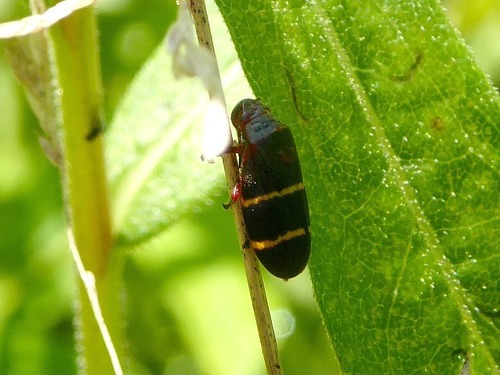
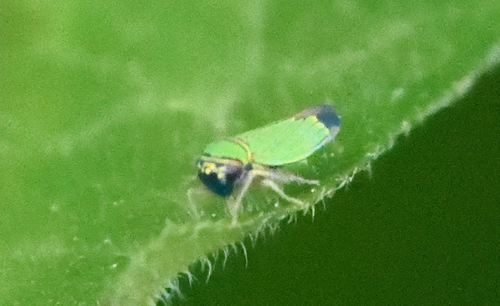
Magicicada cassini
Daily sighting probability <5% · Rare
at Great Smoky Mountains National Park

In 3 days ~10% in a week ~30%

22 Verified sightings at Great Smoky Mountains National Park From 2019 to 2026
22 In 1 park
May Best month
☀️ Diurnal When it's spotted

About the Magicicada cassini

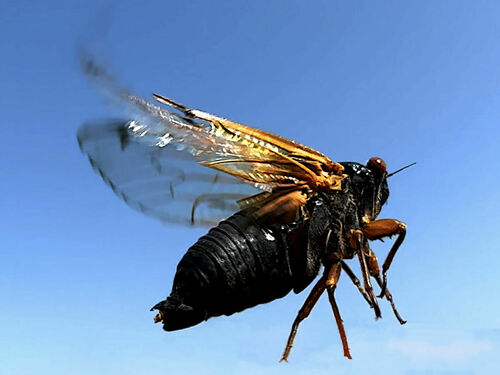
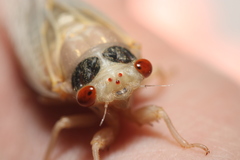
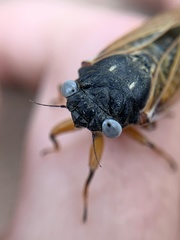
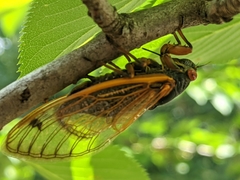
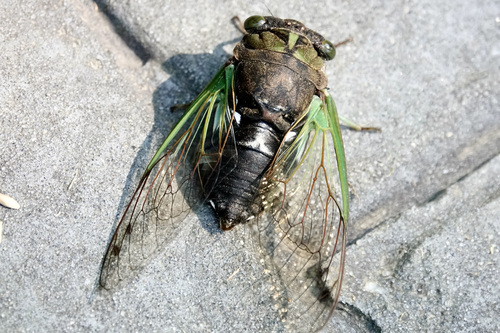
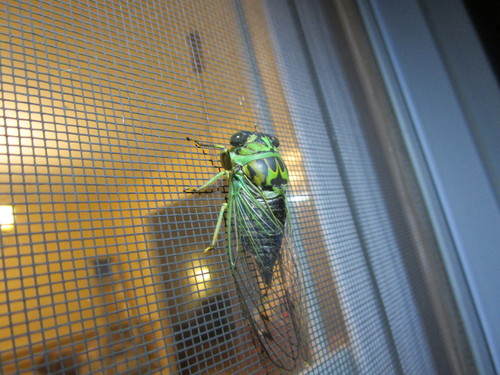
Magicicada cassini (originally spelled cassinii ), known as the 17-year cicada, Cassin's periodical cicada or the dwarf periodical cicada, is a species of periodical cicada. It is endemic to North America. It has a 17-year life cycle but is otherwise indistinguishable from the 13-year periodical cicada Magicicada tredecassini. The two species are usually discussed together as "cassini periodical cicadas" or "cassini-type periodical cicadas." Unlike other periodical cicadas, cassini-type males may synchronize their courting behavior so that tens of thousands of males sing and fly in unison. The species was first reported to the Academy of Natural Sciences of Philadelphia by Margaretta Morris in 1846. In 1852, the species was formally described by J. C. Fisher and given the specific name cassini in honour of John Cassin, an American ornithologist, whose own report was included by Fisher in his publication.

The adult M. cassini is very similar in appearance to other periodical cicadas. It is between 24 and 27 mm (0.94 and 1.06 in) long, measured from the front of the head to the tip of the wings folded over the abdomen. The head is black, the eyes are large and red,... Wikipedia →

Global Distribution

Parks Where Found

# Park Country Daily sighting probability
1 Great Smoky Mountains National Park 🇺🇸 United States
<5%

More parks will be added in future updates.

Cities Where Found

# City Country Daily sighting probability
1 Chicago 🇺🇸 United States
~10%
2 Baltimore 🇺🇸 United States
~10%
3 Washington 🇺🇸 United States
~10%

Before you go

What are the chances of seeing a Magicicada cassini in Great Smoky Mountains National Park?

Rare

Under 5% of wildlife watchers report a Magicicada cassini sighting in Great Smoky Mountains National Park on a given day, based on 22 verified sightings from GBIF citizen-science data from 2019 to 2026. It is the 513th most-seen of the 822 insects we can rate there. Over three days the chance rises to about 10%, and over a week to about 30%, if each day is a fresh chance.

When is the best time to see a Magicicada cassini in Great Smoky Mountains National Park?

May

In that month about 10% of wildlife watchers report a Magicicada cassini in Great Smoky Mountains National Park on a given day, against under 5% in June to April, the lowest months.

What time of day is best to see a Magicicada cassini?

Between 11 am and 2 pm

Across all the parks we cover, that three-hour window holds the most Magicicada cassini sightings with a recorded time, and nearly all of them come between 6 am and 6 pm: it is a daytime animal.

Where else can you see a Magicicada cassini?

Only Great Smoky Mountains National Park, in our data

Great Smoky Mountains National Park is the only park on Wallace's Line with enough records to rate Magicicada cassini sightings: under 5% of wildlife watchers there report one on a given day.

Where does the Magicicada cassini sighting chance come from?

GBIF citizen-science records

It is estimated from how often the Magicicada cassini is recorded against all the insects logged in Great Smoky Mountains National Park (22 verified sightings from 2019 to 2026), calibrated against known sighting rates. Figures are rounded to the nearest 10% because citizen-science data supports honest approximations, not decimals, and months with records from fewer than five people show "—". How it works.

← Back to Great Smoky Mountains National Park