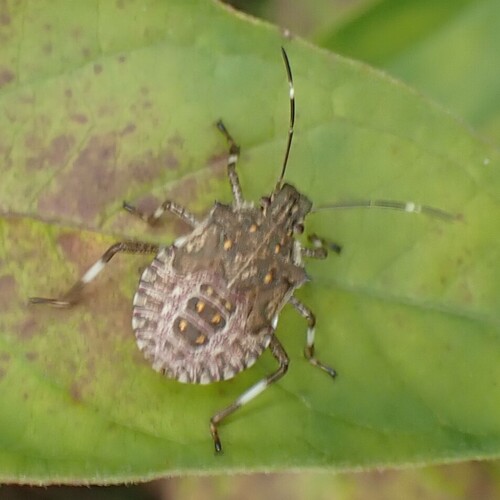
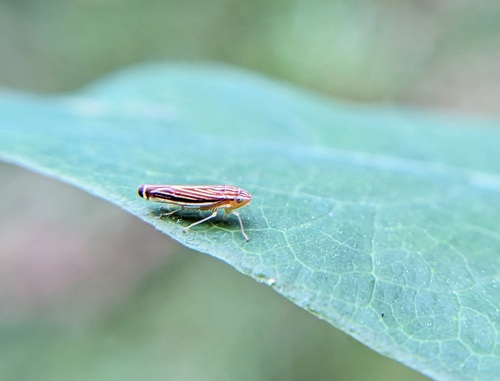
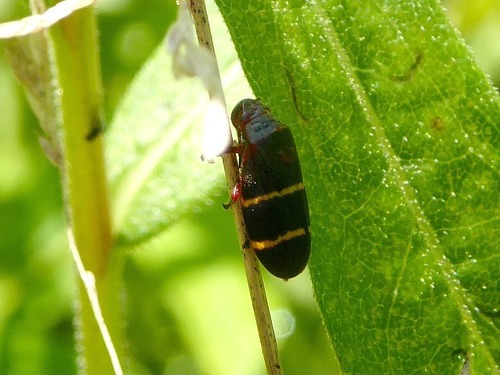
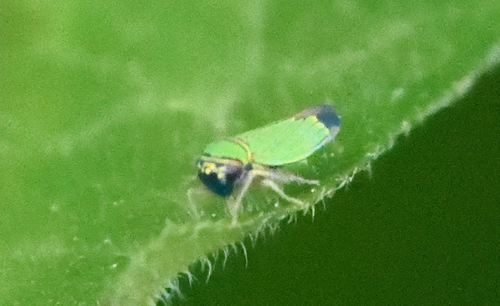
Pharaoh Cicada

Pharaoh Cicada

Magicicada septendecim

Daily sighting probability ~10% · With luck
at Great Smoky Mountains National Park

In 3 days ~30% in a week ~60%

324 Verified sightings at Great Smoky Mountains National Park From 2019 to 2026
324 In 1 park
May Best month
☀️ Diurnal When it's spotted

About the Pharaoh Cicada

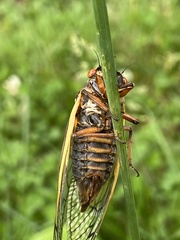
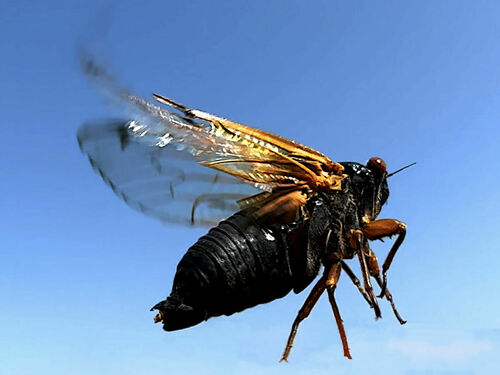
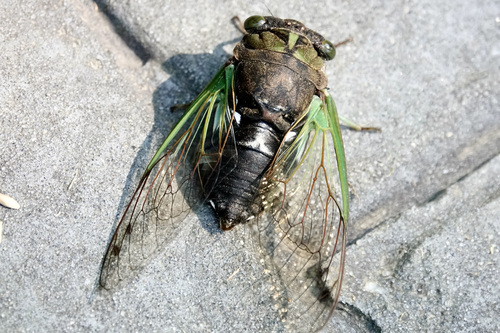
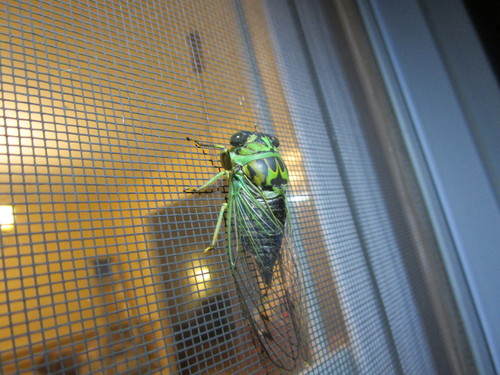
Magicicada septendecim, sometimes called the Pharaoh cicada or the 17-year locust, is native to Canada and the United States and is the largest and most northern species of periodical cicada with a 17-year lifecycle. Like other species included in Magicicada, the insect's eyes and wing veins are reddish and its dorsal thorax is black; it is distinguished by broad orange stripes on the underside of the abdomen and orange patches on the sides of the thorax between the eye and the forewings. Its mating call is a high-pitched song said to resemble someone calling "weeeee-whoa" or "Pharaoh", features it shares with the newly discovered 13-year species Magicicada neotredecim.

Because of similarities between M. septendecim and the two closely related 13-year species M. neotredecim and M. tredecim, the three species are often described together as "decim periodical cicadas." Their median life cycle from egg to natural adult death is around seventeen years. However, their life cycle can range between thirteen and twenty-one years.

Historical accounts cite reports of 15- to 17-year recurrences of enormous numbers of... Wikipedia →

Global Distribution

Parks Where Found

# Park Country Daily sighting probability
1 Great Smoky Mountains National Park 🇺🇸 United States
~10%

More parks will be added in future updates.

Cities Where Found

# City Country Daily sighting probability
1 Washington 🇺🇸 United States
~10%
2 Baltimore 🇺🇸 United States
~10%
3 Chicago 🇺🇸 United States
~10%
4 Philadelphia 🇺🇸 United States
<5%
5 New York City 🇺🇸 United States
<5%

Before you go

What are the chances of seeing a Pharaoh Cicada in Great Smoky Mountains National Park?

With luck

About 10% of wildlife watchers report a Pharaoh Cicada sighting in Great Smoky Mountains National Park on a given day, based on 324 verified sightings from GBIF citizen-science data from 2019 to 2026. It is the 74th most-seen of the 822 insects we can rate there. Over three days the chance rises to about 30%, and over a week to about 60%, if each day is a fresh chance.

When is the best time to see a Pharaoh Cicada in Great Smoky Mountains National Park?

May

In that month about 40% of wildlife watchers report a Pharaoh Cicada in Great Smoky Mountains National Park on a given day, against under 5% in July to March, the lowest months.

What time of day is best to see a Pharaoh Cicada?

Between 11 am and 2 pm

Across all the parks we cover, that three-hour window holds the most Pharaoh Cicada sightings with a recorded time, and nearly all of them come between 6 am and 6 pm: it is a daytime animal.

Where else can you see a Pharaoh Cicada?

Only Great Smoky Mountains National Park, in our data

Great Smoky Mountains National Park is the only park on Wallace's Line with enough records to rate Pharaoh Cicada sightings: about 10% of wildlife watchers there report one on a given day.

Where does the Pharaoh Cicada sighting chance come from?

GBIF citizen-science records

It is estimated from how often the Pharaoh Cicada is recorded against all the insects logged in Great Smoky Mountains National Park (324 verified sightings from 2019 to 2026), calibrated against known sighting rates. Figures are rounded to the nearest 10% because citizen-science data supports honest approximations, not decimals, and months with records from fewer than five people show "—". How it works.

← Back to Great Smoky Mountains National Park