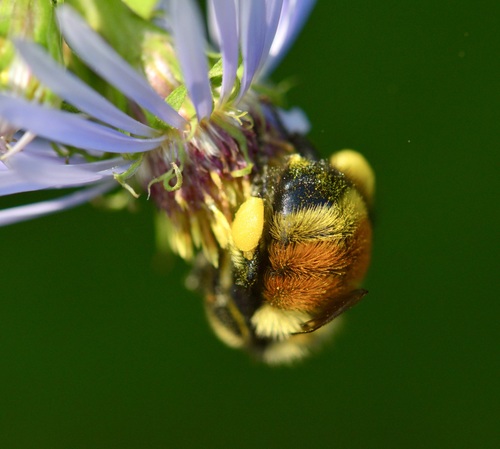
Shadow Darner

Shadow Darner

Aeshna umbrosa

Daily sighting probability ~20% · Possible
at Gros Morne National Park

In 3 days ~50% in a week ~80%

18 Verified sightings at Gros Morne National Park From 2019 to 2026
32 In all 3 parks
August Best month
☀️ Diurnal When it's spotted

About the Shadow Darner

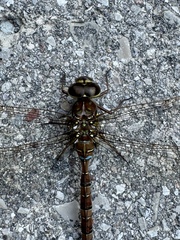
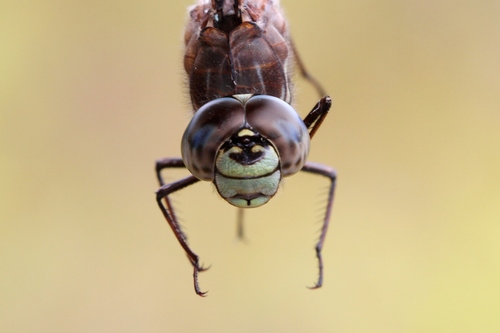
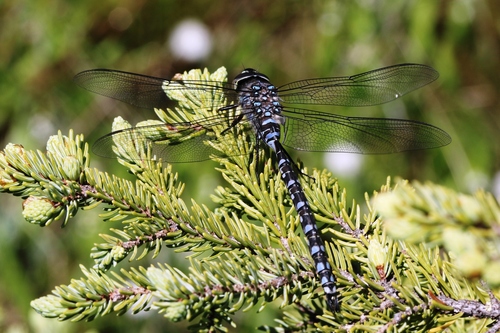
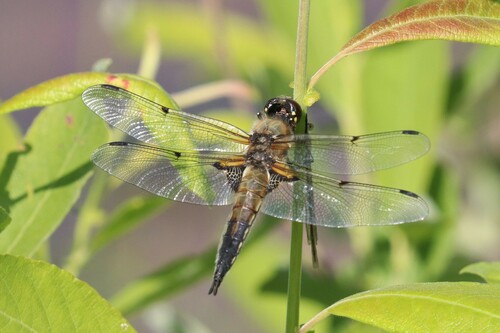
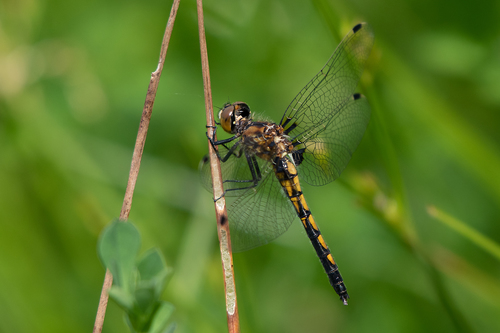
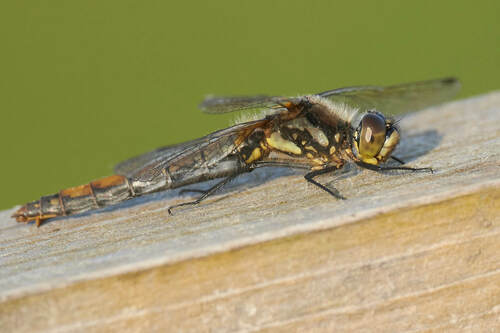
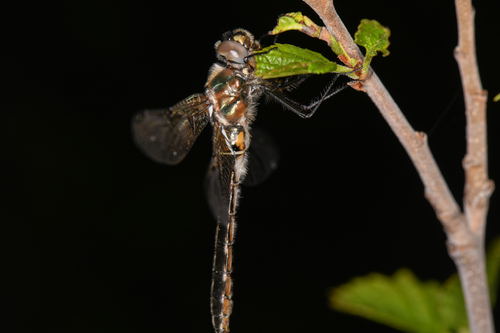
The shadow darner (Aeshna umbrosa) is a species of dragonfly in the family Aeshnidae. It is found in almost all of Canada and most states in the United States. The shadow darner is a large dragonfly with a length of 68 to 78 mm (2.7 to 3.1 in). The base is brownish black in color. Greenish crescent-shaped spots are found at the top of the thorax. The sides of the thorax are marked with two yellowish to yellowish-green diagonal stripes. Its abdomen is marked with bluish green spots. The male shadow darner has paddle-shaped anal appendages.

The naiad of the shadow darner is large in size, with a length of 38 to 43 mm (1.5 to 1.7 in). This naiad is long and slender, which is the typical shape of immature darners. It is mottled green and brown. The shadow darner has a vertically flattened cerci with a spike at the end.

This dragonfly is found in most of the United States except the dry Southwest and in all of the provinces and territories of Canada. The shadow darner patrols along small marshy streams. It is often found feeding along woodland edges or even in deep shadow in full forest. Shadow darners can also be found near... Wikipedia →

Global Distribution

Parks Where Found

# Park Country Daily sighting probability
1 Gros Morne National Park 🇨🇦 Canada
~20%
2 Yosemite National Park 🇺🇸 United States
~10%
3 Acadia National Park 🇺🇸 United States
<5%

Cities Where Found

# City Country Daily sighting probability
1 Toronto 🇨🇦 Canada
~10%
2 Portland 🇺🇸 United States
~10%
3 Montreal 🇨🇦 Canada
<5%
4 Seattle 🇺🇸 United States
<5%
5 Denver 🇺🇸 United States
<5%
6 Vancouver 🇨🇦 Canada
<5%
7 Minneapolis [Saint Paul] 🇺🇸 United States
<5%
8 Boston 🇺🇸 United States
<5%
9 Edmonton 🇨🇦 Canada
<5%
10 Baltimore 🇺🇸 United States
<5%

Before you go

What are the chances of seeing a Shadow Darner in Gros Morne National Park?

Possible

About 20% of wildlife watchers report a Shadow Darner sighting in Gros Morne National Park on a given day, based on 18 verified sightings from GBIF citizen-science data from 2019 to 2026. It is the 17th most-seen of the 83 insects we can rate there. Over three days the chance rises to about 50%, and over a week to about 80%, if each day is a fresh chance.

When is the best time to see a Shadow Darner in Gros Morne National Park?

August

In that month about 40% of wildlife watchers report a Shadow Darner in Gros Morne National Park on a given day, against under 5% in February–June and October–December, the lowest months.

What time of day is best to see a Shadow Darner?

Between 2 and 5 pm

Across all the parks we cover, that three-hour window holds the most Shadow Darner sightings with a recorded time, and about 9 in 10 of them come between 6 am and 6 pm: it is a daytime animal.

Is Gros Morne National Park the best place to see a Shadow Darner?

Yes

Of the 3 parks where we can rate Shadow Darner sightings, Gros Morne National Park has the highest daily chance: about 20%. Next come Yosemite National Park (United States, about 10%) and Acadia National Park (United States, under 5%).

Which relatives of the Shadow Darner live in Gros Morne National Park?

Same genus: Aeshna

The closest relatives of the Shadow Darner that you can see in Gros Morne National Park (genus Aeshna, Hawkers and Typical Darners) are Zigzag Darner (about 20%) and Lake Darner (about 10%), with each one's daily chance of a sighting.

Where does the Shadow Darner sighting chance come from?

GBIF citizen-science records

It is estimated from how often the Shadow Darner is recorded against all the insects logged in Gros Morne National Park (18 verified sightings from 2019 to 2026), calibrated against known sighting rates. Figures are rounded to the nearest 10% because citizen-science data supports honest approximations, not decimals, and months with records from fewer than five people show "—". How it works.

← Back to Gros Morne National Park