Irazú Volcano National Park
🇨🇷 Costa Rica
Central Valley, Costa Rica 1075 spp. recorded
At 3,432 meters, Irazú is Costa Rica's tallest active volcano — one of the few places on Earth where you can see both the Caribbean Sea and the Pacific Ocean on a clear day. Beyond the dramatic crater, the Prusia forest sector shelters endemic highland birds including the Volcano Junco and Volcano Hummingbird.
9.983° N 83.849° W
🦜 Nature

218 Species sighted
19,074 Verified sightings From 2019 to 2026
Oct Best month
⭐ Iconic Species


📊 Most Spotted


📊 Most Spotted


⭐ Iconic Species
📊 Most Spotted




📊 Most Spotted



+ 877 more species with insufficient data
Recent sightings in Irazú Volcano National Park
LIVEiNaturalistSighting Calendar
How many species you'd see in a day
25Jan
25Feb
25Mar
28Apr
24May
26Jun
22Jul
23Aug
22Sep
29Oct
24Nov
25Dec
Sighting Zones
Warmer areas are where all species together are recorded most often.
-
Sector Cráter
Daily sight. prob.vs avg



🏕️ Experience
Essentials
Entrance
Paid
Tourism
High
Typical stay
1
dayTrails
Hard
World Heritage
No
Climate
Temp °C Rain mm
JanFebMarAprMayJunJulAugSepOctNovDec
0.0 Good
Wallace's Line Score
How good is this park for seeing wildlife? 🦜
Biodiversity
Very goodHow rich is the wildlife?
4.5
Species by taxon
🦅 Birds 617
🐒 Mammals 224
🦎 Reptiles 150
🐸 Amphibians 84
1075 Total Species
828 Global average across 316 parks
39 Threatened 98 Endemic
🔭
Sighting
GoodHow likely to see animals?
2.9
🎯
Top-12 Avg Probability
73% 📊
Coverage (118 species at ≥5% of 1075 in the inventory)
11% 🔀
Taxon variety in top 12 (12 bird)
0% 🔭
Species per 10 outings (distinct species a visitor would meet over 10 outings — effort held equal across parks)
73 🌟
Iconic-group species (≥15%) (every species from the 19 iconic groups — monkeys, cats, toucans, macaws, sloths, crocodilians… — not just the 4 highlighted above)
4 ⭐
High-prob species (>40%)
26 🏕️
Experience
GoodHow easy and pleasant is the visit?
2.5
Climate Harsh Low
Entrance Paid Low
Tourism High Low
Trails Hard Low
World Heritage No —
What visitors say
However, we still saw a pair of Timberline Wrens, one Peg-billed Finch, and other species easier to see.
While going out at 4 or 4:30 am in search of owls is a not-infrequent occurrence, my excursion to find the Unspotted Saw-whet Owl at 1:30 am, makes those other owl-seeking adventures pale in comparison.
We saw a path leading up to the true summit of the Irazú Volcano, and we weren’t going to quit just yet.
We live about an hour away from the Irazú Volcano, so we have visited numerous times.
Before you go
What animals can you see in Irazú Volcano National Park?
1,075 species
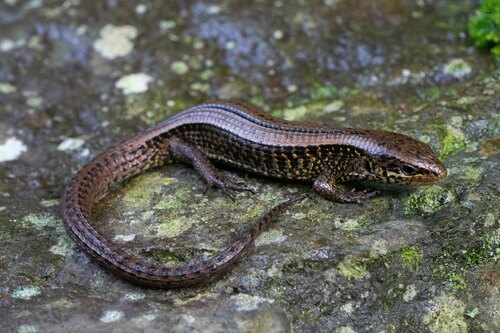
Irazú Volcano National Park has 1,075 recorded vertebrate species. The ones wildlife watchers report most often on a given day are Rufous-collared Sparrow (about 90%), Sooty Thrush (about 90%), Volcano Hummingbird (about 90%), Sooty-capped Bush-Tanager (about 80%) and Slaty Flowerpiercer (about 80%). Among mammals, the most-seen is Coyote (about 50%); among reptiles, Emerald Swift (about 50%); among amphibians, Blue-sided Tree Frog (about 10%).
When is the best time to visit Irazú Volcano National Park for wildlife?
March and October–December
In those months the park's 12 most-seen species average about 80% on a given day, against about 60% in May and July–September.
Can you see a Volcano Hummingbird in Irazú Volcano National Park?
Yes
About 90% of wildlife watchers report a Volcano Hummingbird sighting in Irazú Volcano National Park on a given day, based on 959 verified sightings from GBIF citizen-science data from 2019 to 2026. The best time is October and December–January (over 90%).
Can you see a Volcano Junco in Irazú Volcano National Park?
Yes
About 50% of wildlife watchers report a Volcano Junco sighting in Irazú Volcano National Park on a given day, based on 493 verified sightings from GBIF citizen-science data from 2019 to 2026. The best time is June and October (about 70%).
Can you see a Fiery-throated Hummingbird in Irazú Volcano National Park?
Yes
About 70% of wildlife watchers report a Fiery-throated Hummingbird sighting in Irazú Volcano National Park on a given day, based on 636 verified sightings from GBIF citizen-science data from 2019 to 2026. The best time is December to February (about 80%).
Can you see a Resplendent Quetzal in Irazú Volcano National Park?
Yes
About 40% of wildlife watchers report a Resplendent Quetzal sighting in Irazú Volcano National Park on a given day, based on 412 verified sightings from GBIF citizen-science data from 2019 to 2026. The best time is October and December (about 60%).
Where in Irazú Volcano National Park is wildlife easiest to see?
Around Sector Cráter
The richest sighting zone is around Sector Cráter, followed by Prusia, ranked by how many of the park's headline animals visitors can expect to see in each. See the zones on the map.
Is Irazú Volcano National Park good for wildlife watching?
3.4 out of 5
On the Wallace's Line Score, Irazú Volcano National Park rates 3.4/5: 228th of 316 parks worldwide and 34th in Central America. 28 of its species are reported by about 40% or more of wildlife watchers on a given day.


