Los Quetzales National Park
🇨🇷 Costa Rica
Central Highlands, Costa Rica 887 spp. recorded
Hidden in the Talamanca Mountains at over 2,000 meters, Los Quetzales protects one of Costa Rica's most pristine cloud forests and is the country's best location to see the Resplendent Quetzal. Local guides achieve over 95% sighting success during nesting season (Feb–Jun).
9.601° N 83.821° W
🦜 Nature

391 Species sighted
325,809 Verified sightings From 2019 to 2026
Mar Best month
⭐ Iconic Species


📊 Most Spotted



📊 Most Spotted


⭐ Iconic Species
📊 Most Spotted

📊 Most Spotted


📊 Most Spotted

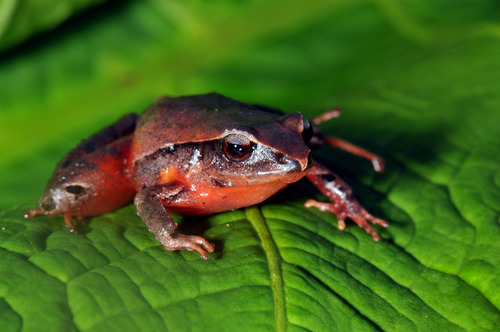

📊 Most Spotted




+ 585 more species with insufficient data
Recent sightings in Los Quetzales National Park
LIVEiNaturalistSighting Calendar
How many species you'd see in a day
39Jan
41Feb
44Mar
43Apr
36May
37Jun
38Jul
34Aug
34Sep
35Oct
37Nov
36Dec
Sighting Zones
Warmer areas are where all species together are recorded most often.
-
Savegre Valley · Miriam's Restaurant
Daily sight. prob.vs avg Emerald Swift~90%+20%
 Red-tailed Squirrel~90%+40%
 Rufous-collared Sparrow~60%-20%
 Flame-colored Tanager~60%-10%
 Talamanca Hummingbird~60%-30%
 Acorn Woodpecker~50%-10%
 Sooty-capped Bush-Tanager~50%-20%
 Lesser Violetear~50%-30%
 Volcano Hummingbird~50%-20%
 White-throated Mountain-gem~50%-30%
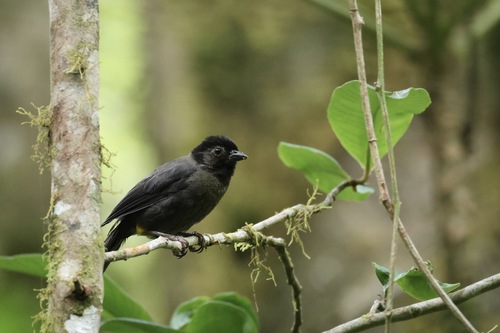
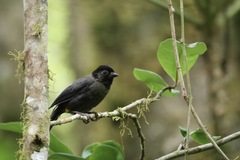 Yellow-thighed Finch~40%-20%
 Clay-colored Thrush~40%-30%
-
Savegre Hotel
Daily sight. prob.vs avg- Emerald Swift~90%+30%
- Red-tailed Squirrel~60%+20%
- Rufous-collared Sparrow~60%-20%
- Lesser Violetear~60%-20%
- White-throated Mountain-gem~60%-20%
- Flame-colored Tanager~50%-20%
- Acorn Woodpecker~50%-20%
- Talamanca Hummingbird~50%-30%
- Clay-colored Thrush~50%-20%
 Long-tailed Silky-flycatcher~50%-20%
 Slaty Flowerpiercer~50%-20%
- Volcano Hummingbird~40%-30%
-
Camino a Las Vueltas
Daily sight. prob.vs avg- Red-tailed Squirrel~80%+30%
- Emerald Swift~80%+10%
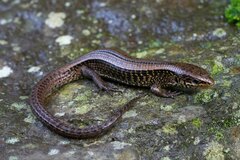 Montane Alligator Lizard~70%+50%
- Sooty-capped Bush-Tanager~70%-10%
 Fiery-throated Hummingbird~60%+10%
- Rufous-collared Sparrow~60%-30%
- Volcano Hummingbird~50%-30%
- Long-tailed Silky-flycatcher~40%-30%
- Lesser Violetear~30%-40%
 Resplendent Quetzal~30%-20%
- Talamanca Hummingbird~30%-50%
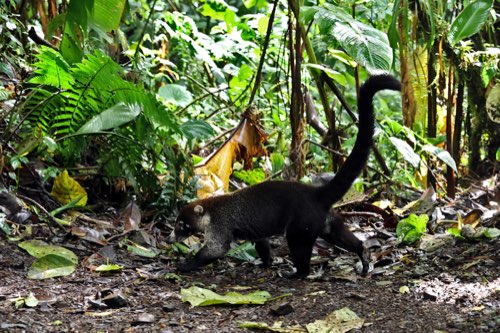
 Cacomistle~30%+20%
-
KM 76, Providencia road
Daily sight. prob.vs avg- Emerald Swift~80%+10%
- Red-tailed Squirrel~70%+30%
 Mexican Hairy Dwarf Porcupine~60%+40%
- Sooty-capped Bush-Tanager~60%-20%
- Fiery-throated Hummingbird~50%≈
 Baird's Tapir~50%+40%
- Montane Alligator Lizard~50%+30%
 Collared Peccary~40%+30%
- Cacomistle~40%+30%
- Long-tailed Silky-flycatcher~30%-40%
- Talamanca Hummingbird~30%-50%
-
La Piedra de Providencia
Daily sight. prob.vs avg- Emerald Swift~90%+20%
- Red-tailed Squirrel~80%+30%
- Rufous-collared Sparrow~70%-20%
 Black Spiny-tailed Iguana~50%+50%
- Clay-colored Thrush~50%-20%
- Flame-colored Tanager~30%-40%
- Acorn Woodpecker~30%-30%
- Lesser Violetear~30%-50%
- White-throated Mountain-gem~30%-50%
- Long-tailed Silky-flycatcher~20%-50%
- Slaty Flowerpiercer~10%-60%
- Volcano Hummingbird~10%-60%
🏕️ Experience
Essentials
Entrance
Paid
Tourism
Medium
Typical stay
1–2
daysTrails
Hard
World Heritage
No
Climate
Temp °C Rain mm
JanFebMarAprMayJunJulAugSepOctNovDec
0.0 Good
Wallace's Line Score
How good is this park for seeing wildlife? 🦜
Biodiversity
Very goodHow rich is the wildlife?
4.3
Species by taxon
🦅 Birds 500
🐒 Mammals 199
🦎 Reptiles 131
🐸 Amphibians 57
887 Total Species
828 Global average across 316 parks
28 Threatened 85 Endemic
🔭
Sighting
Very goodHow likely to see animals?
3.3
🎯
Top-12 Avg Probability
74% 📊
Coverage (120 species at ≥5% of 887 in the inventory)
14% 🔀
Taxon variety in top 12 (11 bird, 1 reptile)
20% 🔭
Species per 10 outings (distinct species a visitor would meet over 10 outings — effort held equal across parks)
96 🌟
Iconic-group species (≥15%) (every species from the 19 iconic groups — monkeys, cats, toucans, macaws, sloths, crocodilians… — not just the 4 highlighted above)
4 ⭐
High-prob species (>40%)
34 🏕️
Experience
GoodHow easy and pleasant is the visit?
2.5
Climate Harsh Low
Entrance Paid Low
Tourism High Low
Trails Hard Low
World Heritage No —
What visitors say
Quetzals predominantly feed on fruit and we were told of a great spot to view the birds when they came to forage around sunrise.
Los Quetzales National Park—which we visit on our Costa Rica Wilderness Explorer—sits atop the Talamanca Mountains and encompasses more than 12,000 acres of pristine cloud forest and 14 different ecosystems.
Before you go
What animals can you see in Los Quetzales National Park?
887 species
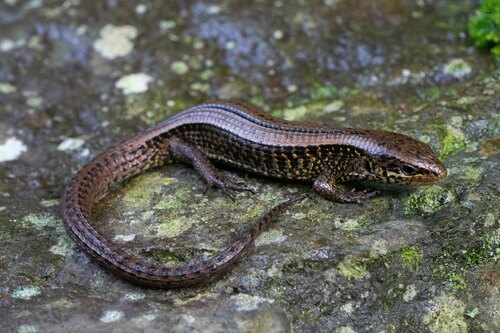
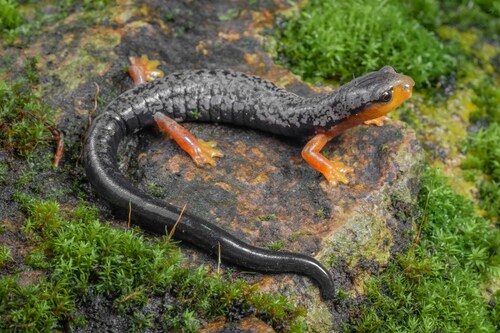
Los Quetzales National Park has 887 recorded vertebrate species. The ones wildlife watchers report most often on a given day are Rufous-collared Sparrow (about 90%), Talamanca Hummingbird (about 80%), Lesser Violetear (about 80%), White-throated Mountain-gem (about 80%) and Volcano Hummingbird (about 80%). Among mammals, the most-seen is Red-tailed Squirrel (about 50%); among reptiles, Emerald Swift (about 70%); among amphibians, Red-legged Webfoot Salamander (about 10%).
When is the best time to visit Los Quetzales National Park for wildlife?
February to April
In those months the park's 12 most-seen species average about 80% on a given day, against about 70% in May to January. Those are among Los Quetzales National Park's driest months, with about 160 mm of rain a month against 730 mm in October.
Can you see a Resplendent Quetzal in Los Quetzales National Park?
Yes
About 50% of wildlife watchers report a Resplendent Quetzal sighting in Los Quetzales National Park on a given day, based on 5,192 verified sightings from GBIF citizen-science data from 2019 to 2026. The best time is May and July (about 60%).
Can you see a Fiery-throated Hummingbird in Los Quetzales National Park?
Yes
About 50% of wildlife watchers report a Fiery-throated Hummingbird sighting in Los Quetzales National Park on a given day, based on 6,348 verified sightings from GBIF citizen-science data from 2019 to 2026. The best time is June (about 70%).
Can you see a Talamanca Hummingbird in Los Quetzales National Park?
Yes
About 80% of wildlife watchers report a Talamanca Hummingbird sighting in Los Quetzales National Park on a given day, based on 10,831 verified sightings from GBIF citizen-science data from 2019 to 2026. The best time is June and November (about 90%).
Can you see a Long-tailed Silky-flycatcher in Los Quetzales National Park?
Yes
About 70% of wildlife watchers report a Long-tailed Silky-flycatcher sighting in Los Quetzales National Park on a given day, based on 8,435 verified sightings from GBIF citizen-science data from 2019 to 2026. The best time is March to July (about 80%).
Where in Los Quetzales National Park is wildlife easiest to see?
Around Savegre Valley · Miriam's Restaurant
The richest sighting zone is around Savegre Valley · Miriam's Restaurant, followed by Savegre Hotel and Camino a Las Vueltas, ranked by how many of the park's headline animals visitors can expect to see in each. See the zones on the map.
Is Los Quetzales National Park good for wildlife watching?
3.5 out of 5
On the Wallace's Line Score, Los Quetzales National Park rates 3.5/5: 188th of 316 parks worldwide and 28th in Central America. 41 of its species are reported by about 40% or more of wildlife watchers on a given day.