Hieroglyphic Moth

Hieroglyphic Moth

Diphthera festiva

Daily sighting probability ~40% · Likely
at Jaragua National Park

In 3 days ~70% in a week >90%

10 Verified sightings at Jaragua National Park From 2019 to 2026
77 In all 8 parks
May Best month
☀️ Diurnal When it's spotted

About the Hieroglyphic Moth

Diphthera festiva, the hieroglyphic moth, is a species of moth in the family Nolidae and is the only moth in its subfamily Diphtherinae. It is found in the tropical and subtropical areas of South America (as far south as Bolivia and Brazil), Central America, North America, and the Caribbean. In North America, the species has a southeastern distribution from South Carolina west to Texas along the Gulf Coast. Strays have been recorded as far north as Michigan and Missouri. The wingspan is 37–48 mm (1.5–1.9 in). This species is occasionally considered a pest on soybeans. It was described by Johan Christian Fabricius in 1775.

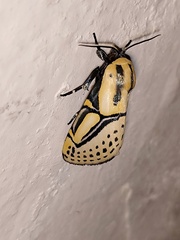
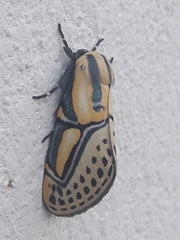
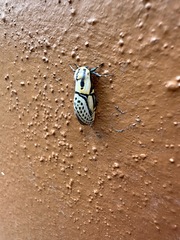
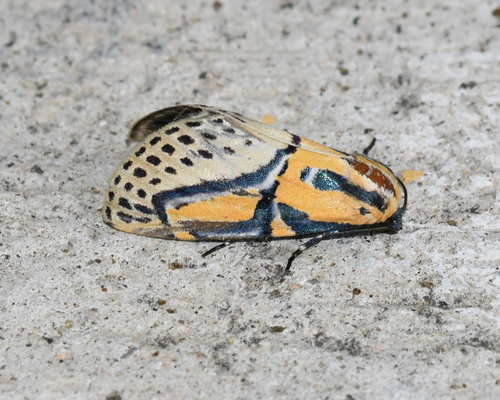
The hieroglyphic moth has light yellow-orange forewings with distinctive blue-black metallic lines and three rows of metallic dots parallel to the exterior margin. The hindwing is black with white fringe and the pronotum is yellow orange with three black stripes. The abdomen, legs, and filiform (threadlike) antennae are black. Males and females are alike, except for one noticeable sexual dimorphism: females have four tibial spurs on their hind legs, while males have only two.

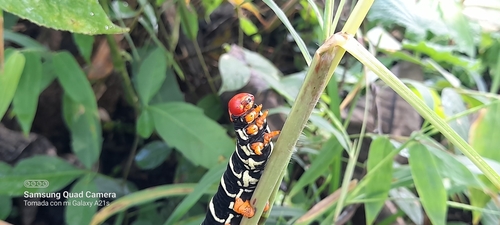
The pupae are dark brown to black and around 1.7 cm long. They can be... Wikipedia →
Global Distribution

Parks Where Found

# Park Country Daily sighting probability
1 Jaragua National Park 🇩🇴 Dominican Republic
~40%
2 Ostional Wildlife Refuge 🇨🇷 Costa Rica
~20%
3 Parque Estadual Encontro das Águas 🇧🇷 Brazil
~20%
4 Rincón de la Vieja National Park 🇨🇷 Costa Rica
~20%
5 Big Cypress National Preserve 🇺🇸 United States
~10%
6 Cumbres de Monterrey National Park 🇲🇽 Mexico
~10%
7 Everglades National Park 🇺🇸 United States
~10%
8 Monteverde Cloud Forest Reserve 🇨🇷 Costa Rica
<5%

Cities Where Found

# City Country Daily sighting probability
1 Valencia 🇻🇪 Venezuela
~20%
2 Monterrey 🇲🇽 México
~10%
3 Guadalajara 🇲🇽 México
~10%
4 Houston 🇺🇸 United States
<5%

Before you go

What are the chances of seeing a Hieroglyphic Moth in Jaragua National Park?

Likely

About 40% of wildlife watchers report a Hieroglyphic Moth sighting in Jaragua National Park on a given day, based on 10 verified sightings from GBIF citizen-science data from 2019 to 2026. It is the 4th most-seen of the 19 insects we can rate there. Over three days the chance rises to about 70%, and over a week to over 90%, if each day is a fresh chance.

When is the best time to see a Hieroglyphic Moth in Jaragua National Park?

May and June

In those months about 50% of wildlife watchers report a Hieroglyphic Moth in Jaragua National Park on a given day, against about 10% in January–February, April, August–September and November, the lowest months.

What time of day is best to see a Hieroglyphic Moth?

Between 9 am and noon

Across all the parks we cover, that three-hour window holds the most Hieroglyphic Moth sightings with a recorded time, and about 8 in 10 of them come between 6 am and 6 pm: it is a daytime animal.

Is Jaragua National Park the best place to see a Hieroglyphic Moth?

Yes

Of the 8 parks where we can rate Hieroglyphic Moth sightings, Jaragua National Park has the highest daily chance: about 40%. Next come Ostional Wildlife Refuge (Costa Rica, about 20%) and Parque Estadual Encontro das Águas (Brazil, about 20%).

Which relatives of the Hieroglyphic Moth live in Jaragua National Park?

Same order: Lepidoptera

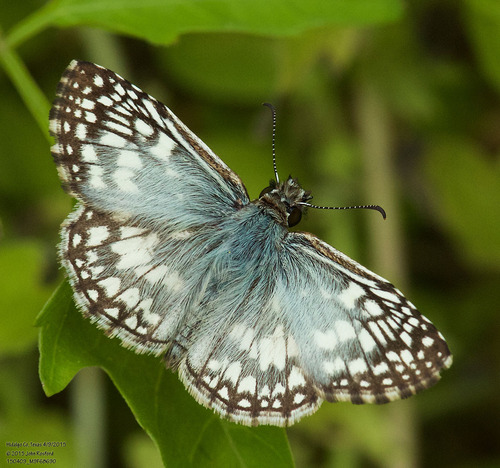
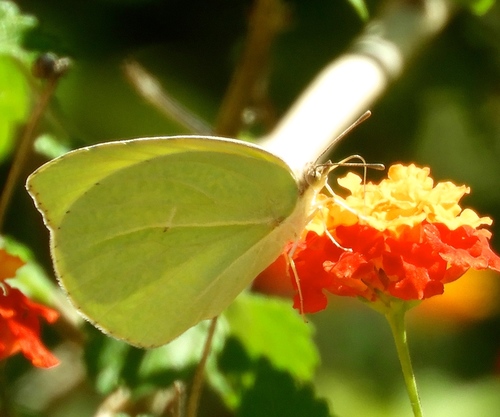
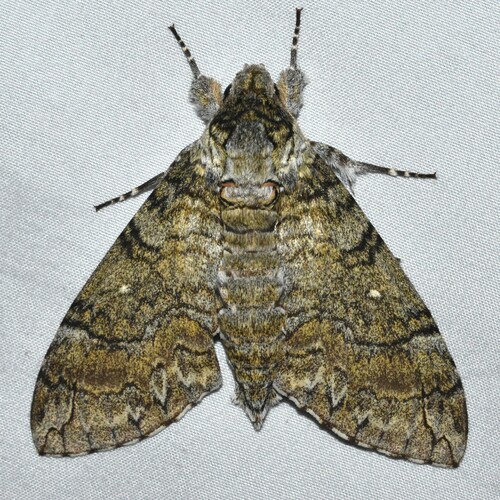
The closest relatives of the Hieroglyphic Moth that you can see in Jaragua National Park (order Lepidoptera, Butterflies and Moths) are Tetrio Sphinx (about 40%), Great Southern White (about 40%) and Tropical Checkered-Skipper (about 40%), with each one's daily chance of a sighting.

Where does the Hieroglyphic Moth sighting chance come from?

GBIF citizen-science records

It is estimated from how often the Hieroglyphic Moth is recorded against all the insects logged in Jaragua National Park (10 verified sightings from 2019 to 2026), calibrated against known sighting rates. Figures are rounded to the nearest 10% because citizen-science data supports honest approximations, not decimals, and months with records from fewer than five people show "—". How it works.

← Back to Jaragua National Park