Thistledown Velvet Ant

Thistledown Velvet Ant

Dasymutilla gloriosa

Daily sighting probability ~10% · With luck
at Joshua Tree National Park

In 3 days ~20% in a week ~40%

17 Verified sightings at Joshua Tree National Park From 2019 to 2026
58 In all 4 parks
August Best month
🌅 Crepuscular When it's spotted

About the Thistledown Velvet Ant

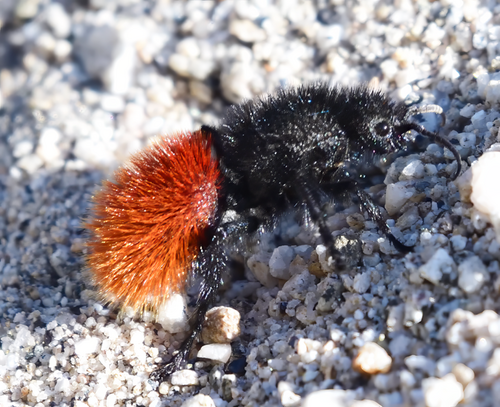
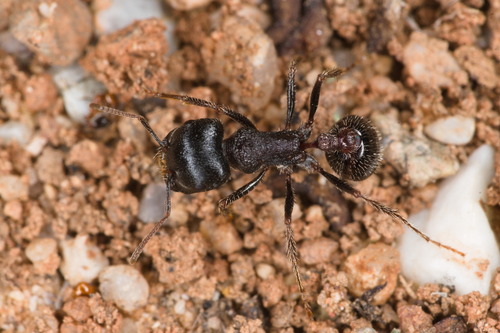
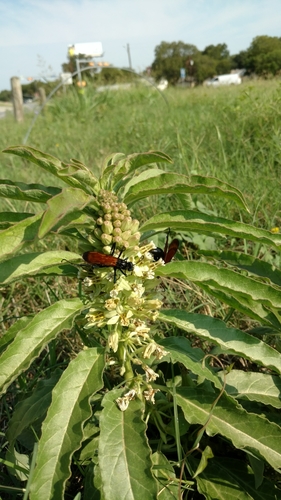
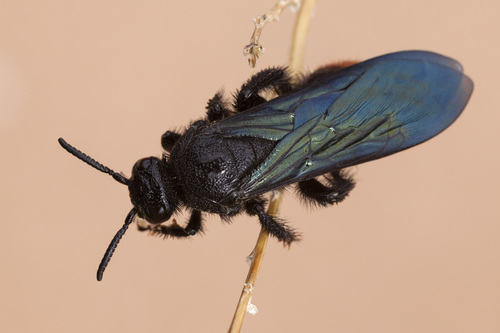
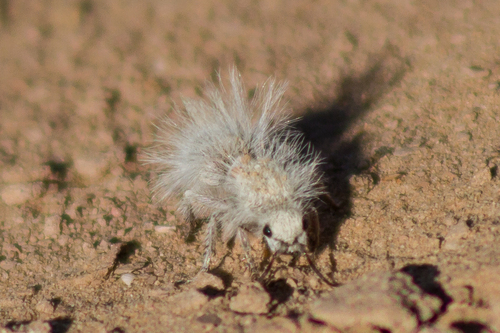
Dasymutilla gloriosa, sometimes referred to as the thistledown velvet ant, is a member of the genus Dasymutilla. Only females are wingless, as in other mutillids. Compared to other mutillids, it is mid-sized, being larger than some of the smallest known species like Dasymutilla vesta but smaller than some of the largest known species like Dasymutilla klugii. It ranges from Utah, Nevada, California, Arizona, New Mexico, Texas and south into Mexico.

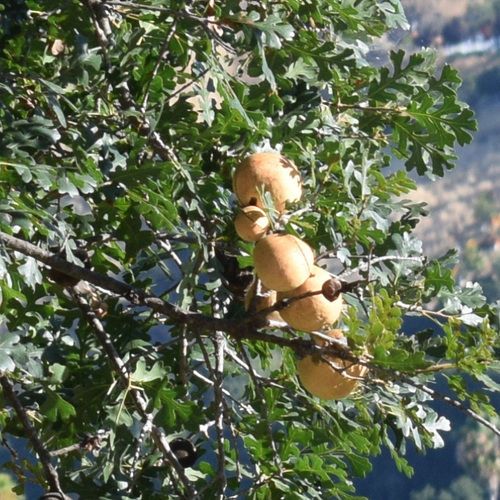
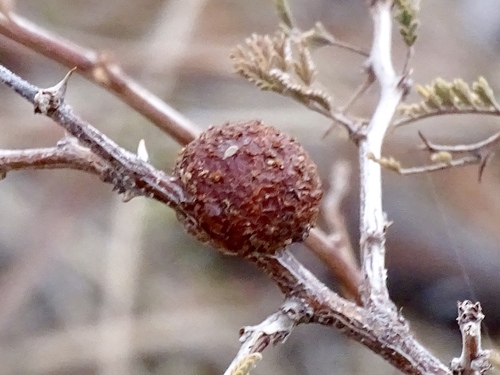
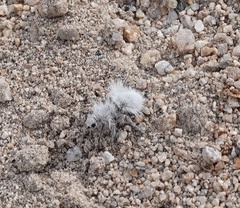
Rather than having aposematic coloration like other mutillids, the females of this species are camouflaged by their resemblance to the fruit of Creosotebush, which occurs in the same habitats. However, this species' coloration appears to be primarily an adaptation to hot desert conditions instead of predation pressure; their internal and external body temperature are less compared to orange Dasymutilla species in the same habitat.

Like other mutillids, the females of this species can administer a very painful sting as a defense mechanism. Being a mid-sized mutillid, the sting delivered is more powerful than most smaller mutillids', but weaker than most larger mutillids'. Wikipedia →
Global Distribution

Parks Where Found

# Park Country Daily sighting probability
1 Big Bend National Park 🇺🇸 United States
~10%
2 Joshua Tree National Park 🇺🇸 United States
~10%
3 Grand Canyon National Park 🇺🇸 United States
~10%
4 Saguaro National Park 🇺🇸 United States
<5%

Before you go

What are the chances of seeing a Thistledown Velvet Ant in Joshua Tree National Park?

With luck

About 10% of wildlife watchers report a Thistledown Velvet Ant sighting in Joshua Tree National Park on a given day, based on 17 verified sightings from GBIF citizen-science data from 2019 to 2026. It is the 82nd most-seen of the 190 insects we can rate there. Over three days the chance rises to about 20%, and over a week to about 40%, if each day is a fresh chance.

When is the best time to see a Thistledown Velvet Ant in Joshua Tree National Park?

June and August

In those months about 20% of wildlife watchers report a Thistledown Velvet Ant in Joshua Tree National Park on a given day, against under 5% in December to March, the lowest months.

What time of day is best to see a Thistledown Velvet Ant?

Between 4 and 7 pm

Across all the parks we cover, that three-hour window holds the most Thistledown Velvet Ant sightings with a recorded time, and about 7 in 10 of them come between 6 am and 6 pm: it is most active around dawn and dusk.

Is Joshua Tree National Park the best place to see a Thistledown Velvet Ant?

Among the best

Of the 4 parks where we can rate Thistledown Velvet Ant sightings, Joshua Tree National Park ranks 2nd at about 10%, level with the leaders once rounded. The best odds are in Big Bend National Park (United States, about 10%).

Where does the Thistledown Velvet Ant sighting chance come from?

GBIF citizen-science records

It is estimated from how often the Thistledown Velvet Ant is recorded against all the insects logged in Joshua Tree National Park (17 verified sightings from 2019 to 2026), calibrated against known sighting rates. Figures are rounded to the nearest 10% because citizen-science data supports honest approximations, not decimals, and months with records from fewer than five people show "—". How it works.

← Back to Joshua Tree National Park