











All 5 in 3 days here: ~10%
Kakum National Park
🇬🇭 Ghana
West Africa, Ghana 995 spp. recorded
Kakum National Park, located in the coastal environs of the Central Region of Ghana, covers an area of 375 square kilometres. Established in 1931 as a reserve, it was gazetted as a national park only in 1992 after an initial survey of avifauna was conducted. The area is covered with tropical forest. The uniqueness of this park lies in the fact that it was established at the initiative of the local people and not by the State Department of wildlife who are responsible for wildlife preservation in Ghana. It is one of only 3 locations in Africa with a canopy walkway, which is 350 metres long and connects seven tree tops which provides access to the forest.
The most notable endangered species of fauna in the park are Diana monkey, giant bongo antelope, yellow-backed duiker and African elephant. It is also an Important Bird Area recognized by the Bird Life International with the bird area fully overlapping the park area. The bird inventory confirmed 266 species in the park, including eight species of global conservation concern. One of these species of concern is the white-breasted guineafowl. Nine species of hornbill and the grey parrot have been recorded. And it also has more than 600 butterflies as well, and a new species was discovered in 1993. As of 2012, the densest population of forest elephants in Ghana is located in Kakum.
The Museums and Monuments Board of the Republic of Ghana has proposed that UNESCO declare the park a natural World Heritage Site under criteria vii and x. The submission made in 2000 is listed under the tentative List of World Heritage Sites.
5.449° N 1.346° W
🦜 Nature

384 Species sighted
26,459 Verified sightings From 2019 to 2026
Dec Best month
⭐ Iconic Species
📊 Most Spotted
⭐ Iconic Species
📊 Most Spotted
⭐ Iconic Species
📊 Most Spotted
📊 Most Spotted
📊 Most Spotted
📊 Most Spotted
🌙 Most active after dark
Challenges you can complete here
Recent sightings in Kakum National Park
LIVEiNaturalistSighting Calendar
How many species you'd see in a dayavg 50 year-round
61
No data
Jan52
No data
Feb56
No data
Mar52
No data
Apr59
No data
May44
No data
Jun61
No data
Jul50
No data
Aug61
No data
Sep56
No data
Oct60
No data
Nov64
No data
DecSighting Zones
Warmer areas are where all species together are recorded most often.
-
Kakum National Park
Daily sight. prob.vs avg Lesser Spot-nosed Monkey~70%+20%
 Lowe's Monkey~70%+10%
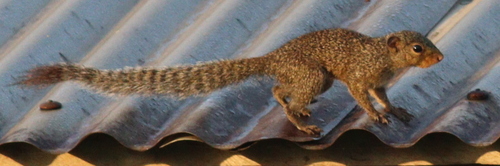
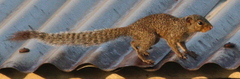 Small Sun Squirrel~70%+20%
 African Redhead Agama~60%+20%
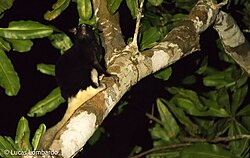 Pel's Flying Squirrel~60%+20%
 West African Potto~60%+10%
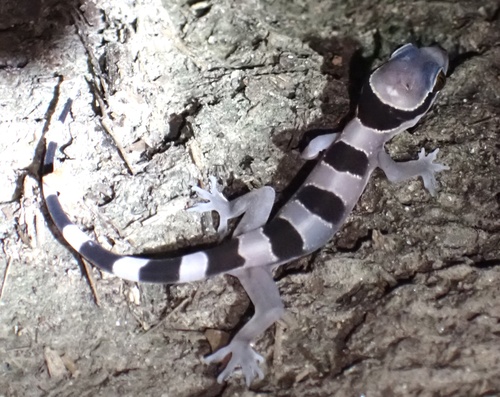
 Banded Leaf-toed Gecko~60%+20%
 African Pied Hornbill~60%-20%
 Collared Sunbird~50%-20%
 Forest Giant Squirrel~50%+10%
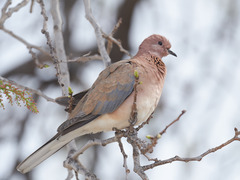
 African Green Pigeon~50%-20%
 Velvet-mantled Drongo~50%-20%
-
Entwikrom
Daily sight. prob.vs avg- African Pied Hornbill~70%≈
- Collared Sunbird~70%≈
 Common Bulbul~70%+20%
- African Green Pigeon~60%-10%
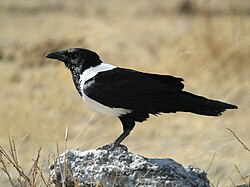 Pied Crow~60%≈
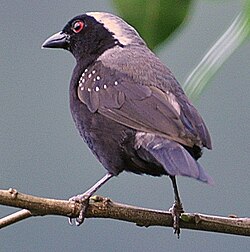 Gray-headed Negrofinch~60%≈
- Velvet-mantled Drongo~50%-20%
 African Harrier-Hawk~50%-10%
 Speckled Tinkerbird~40%-10%
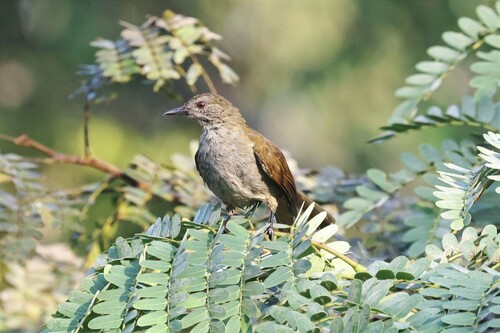
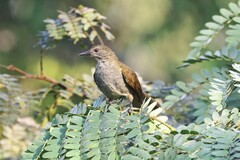 Slender-billed Greenbul~40%-10%
 Blue Malkoha~10%-40%
 Yellow-billed Turaco~10%-40%
🏕️ Experience
Essentials
Entrance
Paid
Tourism
Low
Typical stay
2–3
daysTrails
Easy
World Heritage
No
Climate
Temp °C Rain mm
-20°
0° 0
20° 300
40° 600 mm
Jan33Feb68Mar117Apr133May218Jun254Jul165Aug118Sep208Oct214Nov117Dec47
0.0 Good
Wallace's Line Score
How good is this park for seeing wildlife? 🦜
Biodiversity
Very goodHow rich is the wildlife?
4.2
Species by taxon
🦅 Birds 661
🐒 Mammals 162
🦎 Reptiles 122
🐸 Amphibians 50
995 Total Species
810 Global average across 340 parks
37 Threatened 1 Endemic
🔭
Sighting
Very goodHow likely to see animals?
3.4
🎯
Top-12 Avg Probability
61% 📊
Coverage (238 species at ≥5% of 995 in the inventory)
24% 🔀
Taxon variety in top 12 (10 bird, 2 mammal)
37% 🔭
Species per 10 outings (distinct species a visitor would meet over 10 outings — effort held equal across parks)
179 🌟
Iconic-group species (≥15%) (every species from the 19 iconic groups — monkeys, cats, toucans, macaws, sloths, crocodilians… — not just the 4 highlighted above)
9 ⭐
High-prob species (>40%)
34 🏕️
Experience
GoodHow easy and pleasant is the visit?
2.0
Climate Pleasant High
Entrance Paid Low
Tourism Low High
Trails Easy High
World Heritage No —
What visitors say
Your review
sunshinecoastbirds.blogspot.com Web excerpt · 2026
“last morning in the Kakum area Day Five of the trip found us”
Before you go
What animals can you see in Kakum National Park?
995 species
Kakum National Park has 995 recorded vertebrate species. The ones wildlife watchers report most often on a given day are African Pied Hornbill (about 80%), Collared Sunbird (about 70%), African Green Pigeon (about 70%), Velvet-mantled Drongo (about 70%) and Pied Crow (about 60%). Among mammals, the most-seen is Lowe's Monkey (about 60%); among reptiles, African Redhead Agama (about 50%).
When is the best time to visit Kakum National Park for wildlife?
May, July and November–December
In those months the park's 12 most-seen species average about 70% on a given day, against about 50% in April.
Can you see a Lowe's Monkey in Kakum National Park?
Yes
About 60% of wildlife watchers report a Lowe's Monkey sighting in Kakum National Park on a given day, based on 23 verified sightings from GBIF citizen-science data from 2019 to 2026. The best time is November and December (about 80%).
Can you see an African Pied Hornbill in Kakum National Park?
Yes
About 80% of wildlife watchers report an African Pied Hornbill sighting in Kakum National Park on a given day, based on 510 verified sightings from GBIF citizen-science data from 2019 to 2026. The best time is February–March, May, July and September–December (about 80%).
Can you see a Yellow-billed Turaco in Kakum National Park?
Yes
About 50% of wildlife watchers report a Yellow-billed Turaco sighting in Kakum National Park on a given day, based on 296 verified sightings from GBIF citizen-science data from 2019 to 2026. The best time is July and October–January (about 60%).
Can you see a Small Sun Squirrel in Kakum National Park?
Yes
About 50% of wildlife watchers report a Small Sun Squirrel sighting in Kakum National Park on a given day, based on 13 verified sightings from GBIF citizen-science data from 2019 to 2026. The best time is September (about 70%).
Where in Kakum National Park is wildlife easiest to see?
Around Kakum National Park
The richest sighting zone is around Kakum National Park, followed by Entwikrom, ranked by how many of the park's headline animals visitors can expect to see in each. See the zones on the map.
Is Kakum National Park good for wildlife watching?
3.6 out of 5
On the Wallace's Line Score, Kakum National Park rates 3.6/5: 192nd of 340 parks worldwide and 61st in Africa. 45 of its species are reported by about 40% or more of wildlife watchers on a given day.


