Swampwatcher

Swampwatcher

Potamarcha congener

Daily sighting probability ~20% · Possible
at Kanha National Park

In 3 days ~50% in a week ~80%

9 Verified sightings at Kanha National Park From 2019 to 2026
50 In all 5 parks
February Best month
☀️ Diurnal When it's spotted

About the Swampwatcher

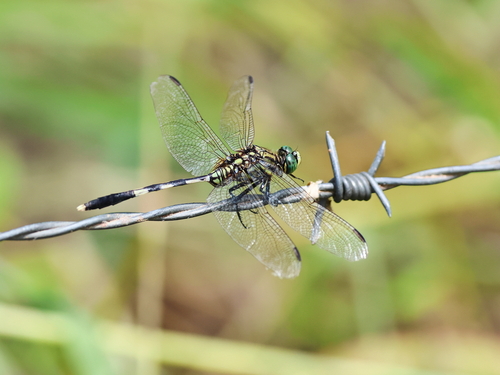
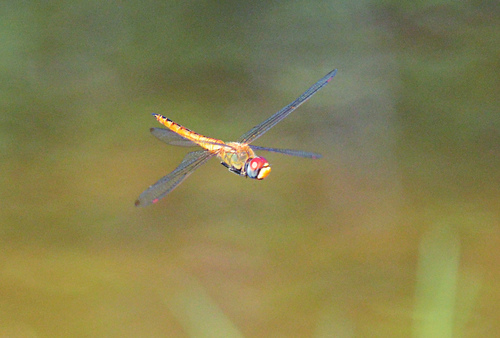
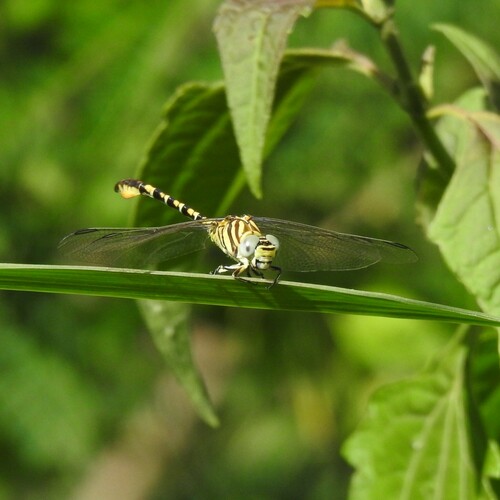
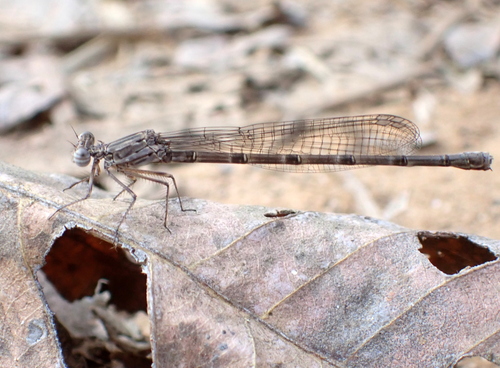
Potamarcha congener is also known as the yellow-tailed ashy skimmer, common chaser, or swampwatcher. It is a species of dragonfly in the family Libellulidae, and was first described by Jules Pierre Rambur in 1842, almost fifty years before Ferdinand Karsch described its genus. Potamarcha congener is one of two species making up the genus Potamarcha, together with Potamarcha puella.

Potamarcha congener is common through much of its range, which stretches through parts of South Asia, South-East Asia, and Oceania, including in countries such as India, Indonesia, China, Australia, and Vietnam. Owing to its wide distribution, the species has been classified as Least Concern by the International Union for Conservation of Nature.

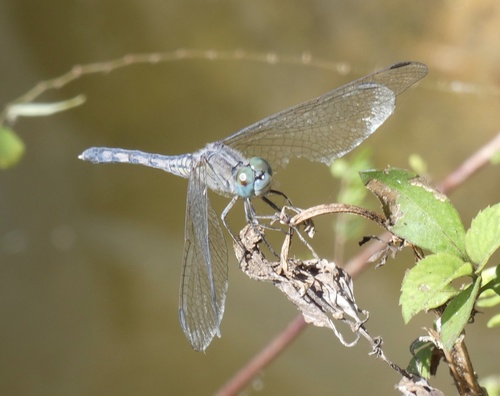
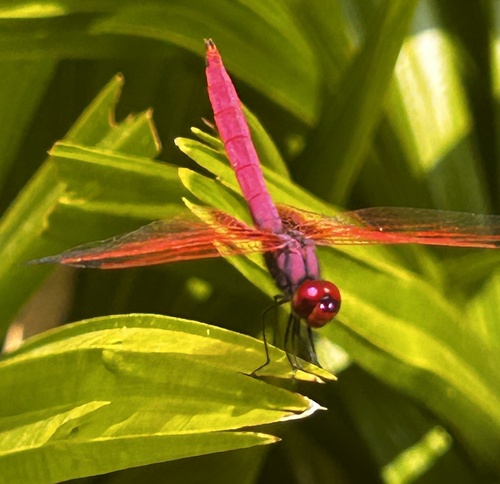
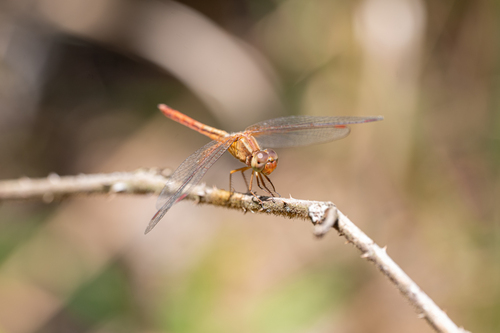
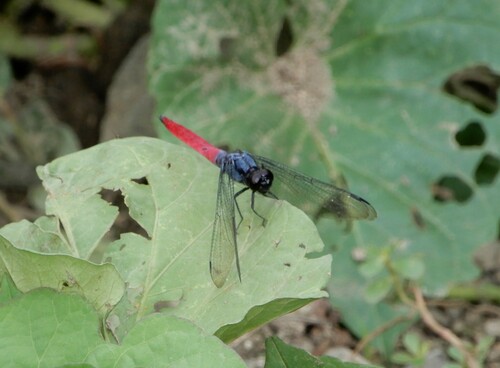
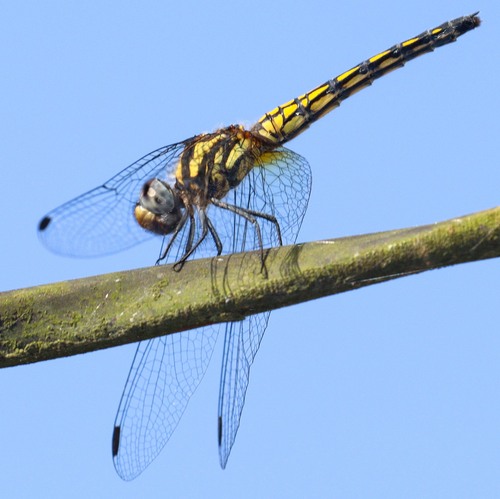
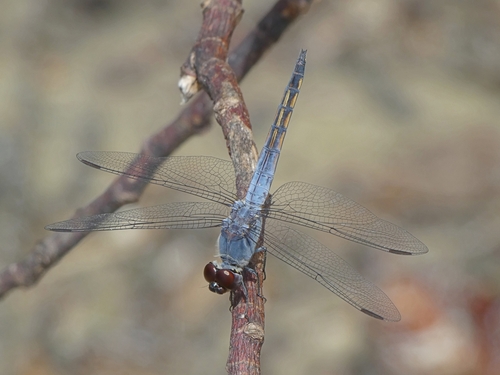
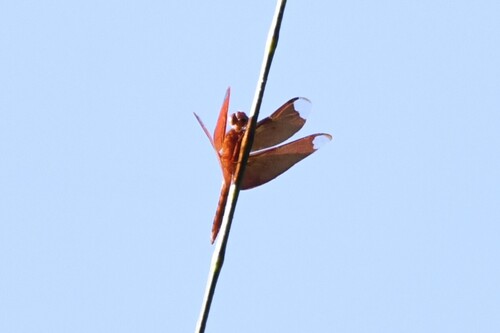
Potamarcha congener is a medium-sized dragonfly with a bluish black thorax and yellow tail with black markings. Face is olivaceous yellow to steel black or brown. Eyes are reddish brown above and bluish grey below. In male adults, the thorax and first four segments of the abdomen are covered with bluish pruinescence. In young adults, yellow markings are visible through the pruinescence. The rest of the abdomen is... Wikipedia →
Global Distribution

Parks Where Found

# Park Country Daily sighting probability
1 Mudumalai National Park 🇮🇳 India
~20%
2 Kanha National Park 🇮🇳 India
~20%
3 Minneriya National Park 🇱🇰 Sri Lanka
~10%
4 Khao Yai National Park 🇹🇭 Thailand
~10%
5 Kaeng Krachan National Park 🇹🇭 Thailand
~10%

Cities Where Found

# City Country Daily sighting probability
1 Yogyakarta 🇮🇩 Indonesia
~40%
2 Raipur 🇮🇳 India
~30%
3 Nagpur 🇮🇳 India
~20%
4 Dhaka 🇧🇩 Bangladesh
~20%
5 Jakarta 🇮🇩 Indonesia
~20%
6 Kolkata 🇮🇳 India
~20%
7 Hyderabad 🇮🇳 India
~10%
8 Prayagraj 🇮🇳 India
~10%
9 Denpasar 🇮🇩 Indonesia
~10%
10 Tasikmalaya 🇮🇩 Indonesia
~10%

Before you go

What are the chances of seeing a Swampwatcher in Kanha National Park?

Possible

About 20% of wildlife watchers report a Swampwatcher sighting in Kanha National Park on a given day, based on 9 verified sightings from GBIF citizen-science data from 2019 to 2026. It is the 50th most-seen of the 106 insects we can rate there. Over three days the chance rises to about 50%, and over a week to about 80%, if each day is a fresh chance.

When is the best time to see a Swampwatcher in Kanha National Park?

February–March and September

In those months about 30% of wildlife watchers report a Swampwatcher in Kanha National Park on a given day, against under 5% in May, July–August, October and December–January, the lowest months.

What time of day is best to see a Swampwatcher?

Between 9 am and noon

Across all the parks we cover, that three-hour window holds the most Swampwatcher sightings with a recorded time, and nearly all of them come between 6 am and 6 pm: it is a daytime animal.

Is Kanha National Park the best place to see a Swampwatcher?

Among the best

Of the 5 parks where we can rate Swampwatcher sightings, Kanha National Park ranks 2nd at about 20%, level with the leaders once rounded. The best odds are in Mudumalai National Park (India, about 20%).

Which relatives of the Swampwatcher live in Kanha National Park?

Same family: Libellulidae

The closest relatives of the Swampwatcher that you can see in Kanha National Park (family Libellulidae, Skimmers) are Russet Percher (about 30%), Chalky Percher (about 30%) and Crimson Marsh Glider (about 30%), with each one's daily chance of a sighting.

Where does the Swampwatcher sighting chance come from?

GBIF citizen-science records

It is estimated from how often the Swampwatcher is recorded against all the insects logged in Kanha National Park (9 verified sightings from 2019 to 2026), calibrated against known sighting rates. Figures are rounded to the nearest 10% because citizen-science data supports honest approximations, not decimals, and months with records from fewer than five people show "—". How it works.

← Back to Kanha National Park