

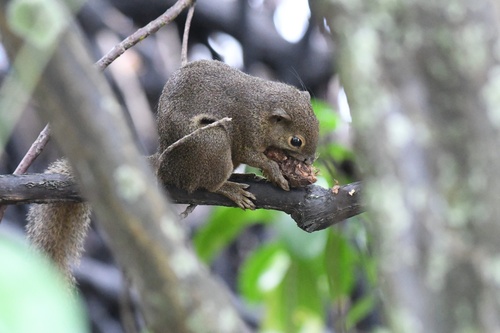





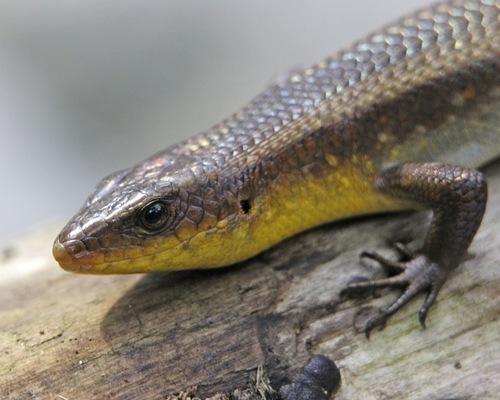


All 3 in 3 days here: ~80%
City
Denpasar
🇮🇩 Indonesia
Southeast Asia, Indonesia 300 spp. recorded
Denpasar is the capital and the largest city of the province of Bali, Indonesia. Denpasar is the largest city in the Lesser Sunda Islands and the second largest city in Eastern Indonesia after Makassar. The growth of the tourism industry on the island of Bali has pushed the city of Denpasar to become a center of business activities, and has positioned the city as an area with high per capita income and growth in Bali. Wikipedia
8.679° S 115.197° E
🦜 Nature

300 Species sighted
23,028 Verified sightings From 2019 to 2026
May Best month
⭐ Iconic Species
📊 Most Spotted
⭐ Iconic Species
📊 Most Spotted

LC
 Common Palm Civet
Paradoxurus hermaphroditus
LC
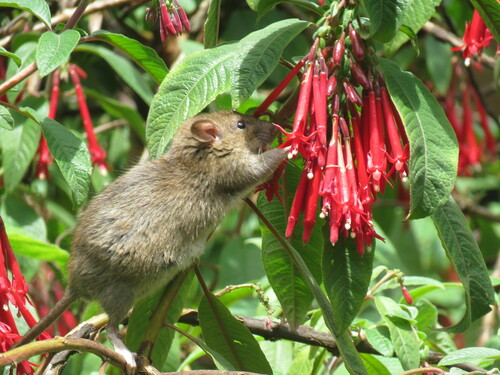
Brown Rat
Rattus norvegicus

LC
 Asian House Shrew
Suncus murinus

LC
 Lesser Short-nosed Fruit Bat
Cynopterus brachyotis

LC
Greater Short-nosed Fruit Bat
Cynopterus sphinx
⭐ Iconic Species
📊 Most Spotted
📊 Most Spotted
📊 Most Spotted

LC
 Schlegel's Frog
Chalcorana chalconota

LC
 Crab-eating Frog
Fejervarya cancrivora

LC
Alpine Cricket Frog
Fejervarya limnocharis

LC
Palmated Chorus Frog
Microhyla palmipes
📊 Most Spotted
⭐ Iconic Species
🌙 Most active after dark
Challenges you can complete here
Recent sightings in Denpasar
LIVEiNaturalistWhere to look
Warmer areas are where all species together are recorded most often.
-
Bandar Udara Internasional Ngurah Rai
-
Nusa Dua · Grand Hyatt Bali
-
Pantai Kuta (dekat Jl Samudra)
-
Royal Beach Seminyak Bali
-
InterContinental Bali Resort (Jimbaran)
-
Nusa Dharma Temple island (Nusa Dua)
-
Mertasari mudflats and beach









Sighting Calendar
How many species you'd see in a day
44Jan
38Feb
43Mar
37Apr
48May
43Jun
43Jul
43Aug
42Sep
35Oct
42Nov
43Dec
🏙️ City
Essentials
Green cover
High
Protected land
2%
Protected sea
—
Protected areas
1
areasWildlife spots
12
spotsZoos & centres
3
placesClimate
Tropical monsoon
Climate
Temp °C Rain mm
JanFebMarAprMayJunJulAugSepOctNovDec
Zoos & rescue centres


0.0 World-class
Wallace's Line Score
How good is this city for seeing wildlife? 🦜
Biodiversity
Very goodHow rich is the wildlife?
4.3
Species by taxon
🦅 Birds 425
🐒 Mammals 115
🦎 Reptiles 104
🐸 Amphibians 14
658 Total Species
679 Global average across 380 cities
46 Threatened 19 Endemic
🔭
Sighting
ExcellentHow likely to see animals?
5.0
🎯
Top-12 Avg Probability
75% 📊
Coverage (135 species at ≥5% of 658 in the inventory)
21% 🔀
Taxon variety in top 12 (7 bird, 3 reptile, 1 mammal, 1 amphibian)
78% 🌟
Iconic-group species (≥15%) (every species from the 19 iconic groups — monkeys, cats, toucans, macaws, sloths, crocodilians… — not just the 4 highlighted above)
3 ⭐
High-prob species (>40%)
27 🏕️
Experience
ExcellentHow easy and pleasant is the visit?
4.5
Climate Pleasant High
Green cover High High
Protected land & sea 2% land Medium
Protected areas 1 Medium
Wildlife spots 12 High
Zoos & centres 3 High
What visitors say
Before you go
What animals can you see in Denpasar?
300 species
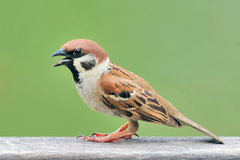
Denpasar's urban area has 300 recorded vertebrate species. The ones wildlife watchers report most often on a given day are Pearl-necked Dove (about 90%), Yellow-vented Bulbul (about 90%), Eurasian Tree Sparrow (about 80%), Cave Swiftlet (about 80%) and Plantain Squirrel (about 80%). Among reptiles, the most-seen is Tokay Gecko (about 80%); among amphibians, Common Indian Toad (about 70%).
When is the best time to see wildlife in Denpasar?
May, July–August and November
In those months the city's 12 most-seen species average about 80% on a given day, against about 70% in June, September–October and December–April. Those are among Denpasar's driest months, with about 70 mm of rain a month against 320 mm in January.
Can you see a Cave Swiftlet in Denpasar?
Yes
About 80% of wildlife watchers report a Cave Swiftlet sighting in Denpasar on a given day, based on 1,220 verified sightings from GBIF citizen-science data from 2019 to 2026. The best time is April, July and October–November (about 90%).
Can you see a Plantain Squirrel in Denpasar?
Yes
About 80% of wildlife watchers report a Plantain Squirrel sighting in Denpasar on a given day, based on 213 verified sightings from GBIF citizen-science data from 2019 to 2026. The best time is December (about 90%).
Can you see a Yellow-vented Bulbul in Denpasar?
Yes
About 90% of wildlife watchers report a Yellow-vented Bulbul sighting in Denpasar on a given day, based on 1,453 verified sightings from GBIF citizen-science data from 2019 to 2026. The best time is July and October (over 90%).
Where in Denpasar is wildlife easiest to see?
Nusa Dua WTP
The spot where most wildlife watchers record their sightings is Nusa Dua WTP (134 bird species recorded), followed by Bandar Udara Internasional Ngurah Rai and Nusa Dua · Grand Hyatt Bali. See them on the map.
Is Denpasar good for wildlife watching?
4.8 out of 5
On the Wallace's Line Score, which rates each city against other cities, Denpasar gets 4.8/5: 22nd of 380 cities worldwide and 2nd in Southeast Asia. 36 of its species are reported by about 40% or more of wildlife watchers on a given day.
Nearest Cities


Nearest Parks


Nearest Zoos & Centres

Sources: urban area GHSL Urban Centre Database R2024A, European Commission JRC (CC BY 4.0) · protected land WDPA, UNEP-WCMC & IUCN (via GHSL) · climate NASA POWER · wildlife GBIF.org citizen-science data