Orange Skimmer

Orange Skimmer

Orthetrum testaceum

Daily sighting probability ~30% · Possible
at Kinabalu Park

In 3 days ~60% in a week ~90%

47 Verified sightings at Kinabalu Park From 2019 to 2026
289 In all 10 parks
January Best month
☀️ Diurnal When it's spotted

About the Orange Skimmer

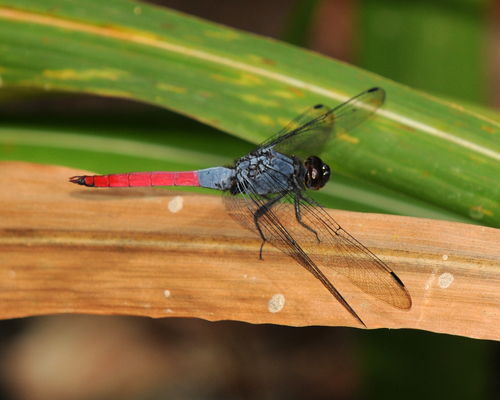
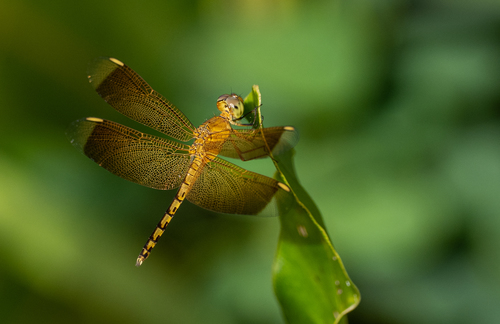
Orthetrum testaceum, common names Crimson Dropwing or Orange Skimmer is an Asian freshwater dragonfly species belonging to the family Libellulidae. This common species is widespread throughout India, Indonesia, Malaysia, Philippines, Singapore and Thailand. These dragonflies may occur in various areas with standing waters, as in ponds, drains, marshes, around rivers, streams, lakes, and gardens.

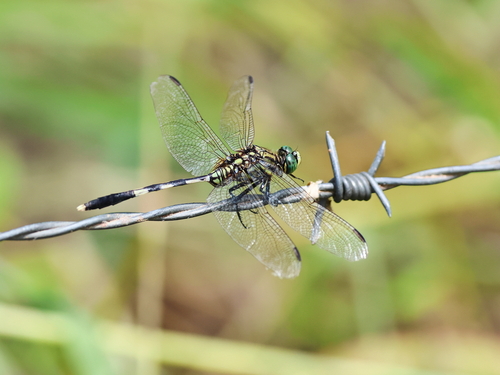
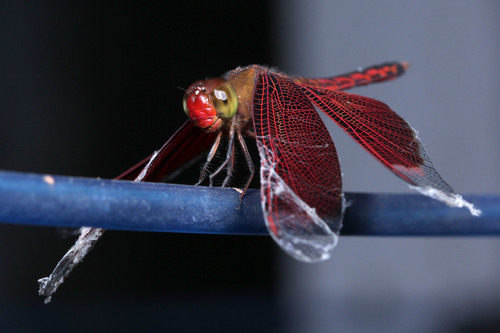
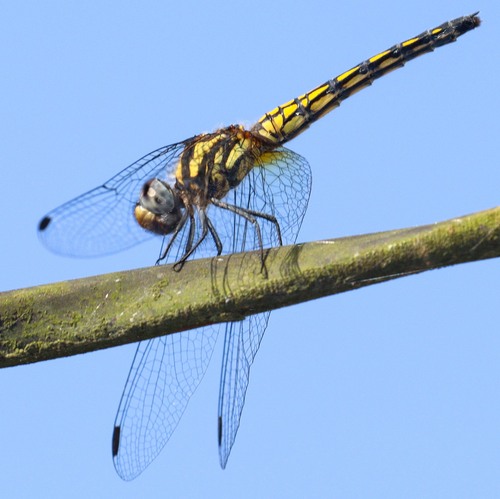
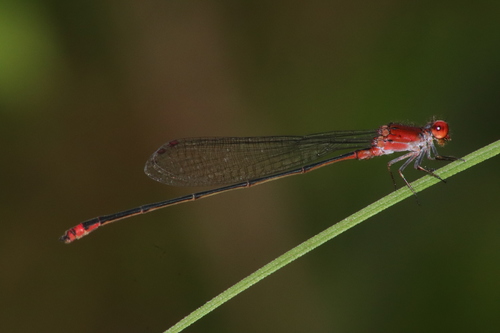
Orthetrum testaceum can reach a body length of about 43–48 mm (1.7–1.9 in), with a hindwing of 34–38 mm (1.3–1.5 in) (in males). In these large dragonflies the thorax of adult males is orange-brown, with a vermilion red abdomen. The eyes are light brownish. The wings are smoky transparent, with an amber patch at the base. In adult females and in recently emerged males the body is olive-green to brown in colour with black markings and a clear base of the hindwings.

These dragonflies are rather similar to Orthetrum chrysis, but O. testaceum is more reddish, while O. chrysis has a reddish brown thorax. Wikipedia →

Global Distribution

Parks Where Found

# Park Country Daily sighting probability
1 Bako National Park 🇲🇾 Malaysia
~40%
2 Danum Valley Conservation Area 🇲🇾 Malaysia
~40%
3 Gunung Leuser National Park 🇮🇩 Indonesia
~30%
4 Sepilok 🇲🇾 Malaysia
~30%
5 Kinabalu Park 🇲🇾 Malaysia
~30%
6 Kerinci Seblat National Park 🇮🇩 Indonesia
~30%
7 Kinabatangan Wildlife Sanctuary 🇲🇾 Malaysia
~20%
8 Taman Negara National Park 🇲🇾 Malaysia
~20%
9 Khao Sok National Park 🇹🇭 Thailand
~20%
10 Kaeng Krachan National Park 🇹🇭 Thailand
~20%

Cities Where Found

# City Country Daily sighting probability
1 Jakarta 🇮🇩 Indonesia
~40%
2 Yogyakarta 🇮🇩 Indonesia
~30%
3 Kuching 🇲🇾 Malaysia
~20%
4 Kuala Lumpur 🇲🇾 Malaysia
~20%
5 Johor Bahru 🇲🇾 Malaysia
~20%
6 Bandung 🇮🇩 Indonesia
~20%
7 Singapore 🇸🇬 Singapore
~10%

Before you go

What are the chances of seeing an Orange Skimmer in Kinabalu Park?

Possible

About 30% of wildlife watchers report an Orange Skimmer sighting in Kinabalu Park on a given day, based on 47 verified sightings from GBIF citizen-science data from 2019 to 2026. It is the 15th most-seen of the 297 insects we can rate there. Over three days the chance rises to about 60%, and over a week to about 90%, if each day is a fresh chance.

When is the best time to see an Orange Skimmer in Kinabalu Park?

January and July

In those months about 40% of wildlife watchers report an Orange Skimmer in Kinabalu Park on a given day, against under 5% in September and November–December, the lowest months.

What time of day is best to see an Orange Skimmer?

Between 10 am and 1 pm

Across all the parks we cover, that three-hour window holds the most Orange Skimmer sightings with a recorded time, and about 9 in 10 of them come between 6 am and 6 pm: it is a daytime animal.

Which relatives of the Orange Skimmer live in Kinabalu Park?

Same genus: Orthetrum

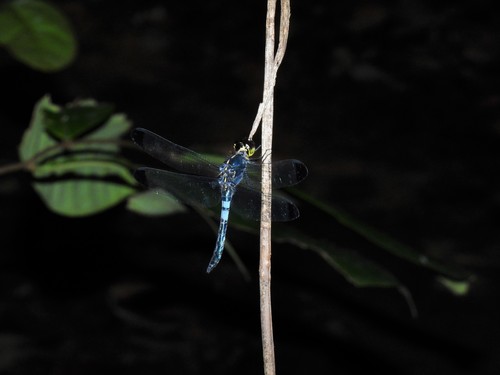
The closest relatives of the Orange Skimmer that you can see in Kinabalu Park (genus Orthetrum) are Blue Marsh Hawk (about 30%), Orthetrum schneideri (about 20%) and Slender Skimmer (about 10%), with each one's daily chance of a sighting.

Where does the Orange Skimmer sighting chance come from?

GBIF citizen-science records

It is estimated from how often the Orange Skimmer is recorded against all the insects logged in Kinabalu Park (47 verified sightings from 2019 to 2026), calibrated against known sighting rates. Figures are rounded to the nearest 10% because citizen-science data supports honest approximations, not decimals, and months with records from fewer than five people show "—". How it works.

← Back to Kinabalu Park