Kerinci Seblat National Park
🇮🇩 Indonesia
Southeast Asia, Indonesia 1256 spp. recorded
Kerinci Seblat is a massive protected tropical rainforest spanning the high Bukit Barisan mountain ridges of Sumatra, Indonesia. Visitors walk narrow dirt trails winding through dense, mist-draped jungle canopies, towering ancient trees, and tangled undergrowth. This reserve is famous for protecting the endangered Sumatran Surili and the loud, tree-dwelling Siamang, both endemic primates that swing through the high branches during morning hours.
-2.930° S 102.320° E
🦜 Nature

394 Species sighted
17,340 Verified sightings From 2019 to 2026
Jul Best month
⭐ Iconic Species


📊 Most Spotted


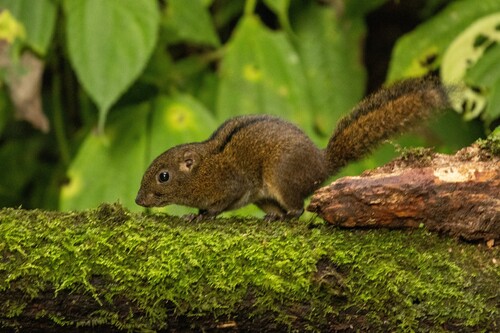


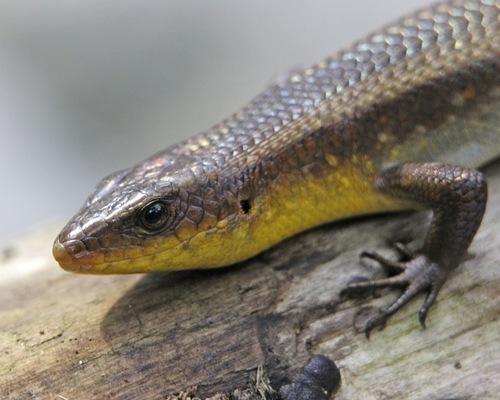


⭐ Iconic Species
📊 Most Spotted


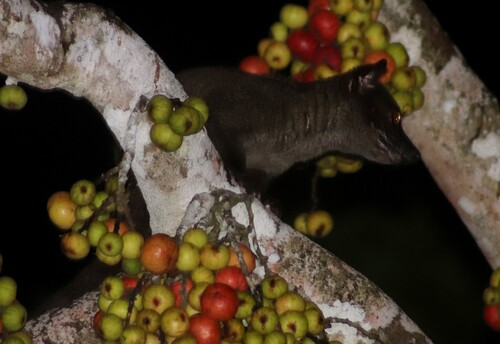


📊 Most Spotted


📊 Most Spotted


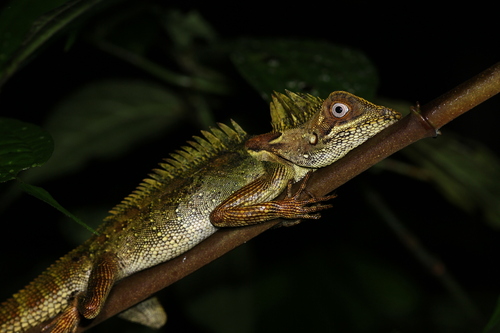
📊 Most Spotted
📊 Most Spotted
⭐ Iconic Species
🌙 Most active after dark
+ 794 more species with insufficient data
Recent sightings in Kerinci Seblat National Park
LIVEiNaturalistSighting Calendar
How many species you'd see in a day
13Jan
31Feb
30Mar
27Apr
38May
37Jun
41Jul
41Aug
34Sep
29Oct
31Nov
32Dec
Sighting Zones
Warmer areas are where all species together are recorded most often.
-
Jl Tapan
Daily sight. prob.vs avg -
Pondok Tinggi
-
Gunung Kerinci
Daily sight. prob.vs avg Sumatran Surili~90%+10%
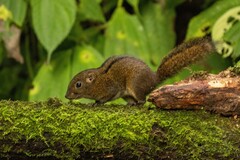 Niobe Ground Squirrel~80%+40%
 Sumatran Mountain Squirrel~80%+50%
 Gray-throated Babbler~60%≈
 Black-striped Squirrel~60%+30%
 Three-striped Ground Squirrel~60%+20%
 Siamang~60%≈
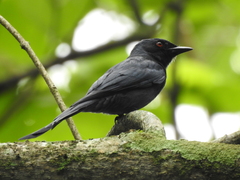
 White-throated Fantail~50%+10%
 Grey-headed Canary-Flycatcher~40%-30%
 Black-browed Barbet~40%-30%
 Fire-tufted Barbet~30%-40%
-
Southern slopes of Gng. Kerinci, Jambi, Sumatra
Daily sight. prob.vs avg- Niobe Ground Squirrel~90%+40%
- Sumatran Mountain Squirrel~80%+40%
- Three-striped Ground Squirrel~70%+40%
- White-throated Fantail~60%+20%
- Gray-throated Babbler~60%≈
- Black-browed Barbet~50%-20%
- Grey-headed Canary-Flycatcher~50%-20%
 Black Giant Squirrel~50%+30%
- Sumatran Surili~50%-30%
- Fire-tufted Barbet~40%-30%
- Black-striped Squirrel~30%+10%



🏕️ Experience
Essentials
Climate
Temp °C Rain mm
JanFebMarAprMayJunJulAugSepOctNovDec
0.0 Good
Wallace's Line Score
How good is this park for seeing wildlife? 🦜
Biodiversity
ExcellentHow rich is the wildlife?
5.0
Species by taxon
🦅 Birds 682
🐒 Mammals 242
🦎 Reptiles 221
🐸 Amphibians 111
1256 Total Species
828 Global average across 316 parks
129 Threatened 3 Endemic
🔭
Sighting
GoodHow likely to see animals?
2.9
🎯
Top-12 Avg Probability
58% 📊
Coverage (211 species at ≥5% of 1256 in the inventory)
17% 🔀
Taxon variety in top 12 (9 bird, 3 mammal)
50% 🔭
Species per 10 outings (distinct species a visitor would meet over 10 outings — effort held equal across parks)
111 🌟
Iconic-group species (≥15%) (every species from the 19 iconic groups — monkeys, cats, toucans, macaws, sloths, crocodilians… — not just the 4 highlighted above)
9 ⭐
High-prob species (>40%)
17 🏕️
Experience
Very goodHow easy and pleasant is the visit?
3.9
Climate Mixed Medium
Entrance Paid Low
Tourism Low High
Trails Hard Low
World Heritage Yes Bonus
What visitors say
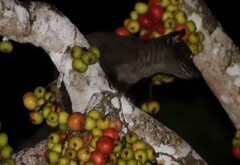
Just minutes later, we see the first of many Slow Lorises that night; it feels like there is a Civet in every tree, and the elusive, highly venomous, and rarely seen Red-Headed Krait slowly passes the road in front of us.
We have lost them forever, but we can still save these kings of the Sumatran wilderness (Photo courtesy of Wiki Commons and Jerry Wormmeester) Waking up to the sound of gibbons The sound I’d heard wasn’t a tiger, though.
Using the thermal after dark on the edge of the forest, in the hope of picking up a Salvadori's Nightjar we, instead, found a cool looking Slow Loris.
Red-billed Partridge can be notoriously difficult to see but Sandra was good at finding these skulkers and we saw them on three occasions, sometimes very well, with others heard.
Before you go
What animals can you see in Kerinci Seblat National Park?
1,256 species
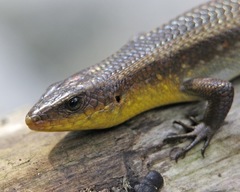
Kerinci Seblat National Park has 1,256 recorded vertebrate species. The ones wildlife watchers report most often on a given day are Sumatran Surili (about 80%), Black-browed Barbet (about 70%), Grey-headed Canary-Flycatcher (about 70%), Fire-tufted Barbet (about 70%) and Gray-throated Babbler (about 60%). Among reptiles, the most-seen is Many-lined Sun-skink (about 40%).
When is the best time to visit Kerinci Seblat National Park for wildlife?
February, May and July–August
In those months the park's 12 most-seen species average about 60% on a given day, against about 40% in November.
Can you see a Sumatran Surili in Kerinci Seblat National Park?
Yes
About 80% of wildlife watchers report a Sumatran Surili sighting in Kerinci Seblat National Park on a given day, based on 78 verified sightings from GBIF citizen-science data from 2019 to 2026. The best time is June (about 90%).
Can you see a Siamang in Kerinci Seblat National Park?
Yes
About 50% of wildlife watchers report a Siamang sighting in Kerinci Seblat National Park on a given day, based on 33 verified sightings from GBIF citizen-science data from 2019 to 2026. The best time is January–February and June–July (about 70%).
Where in Kerinci Seblat National Park is wildlife easiest to see?
Around Jl Tapan
The richest sighting zone is around Jl Tapan, followed by Pondok Tinggi and Gunung Kerinci, ranked by how many of the park's headline animals visitors can expect to see in each. See the zones on the map.
Is Kerinci Seblat National Park good for wildlife watching?
3.5 out of 5
On the Wallace's Line Score, Kerinci Seblat National Park rates 3.5/5: 208th of 316 parks worldwide and 19th in Southeast Asia. 28 of its species are reported by about 40% or more of wildlife watchers on a given day.


