


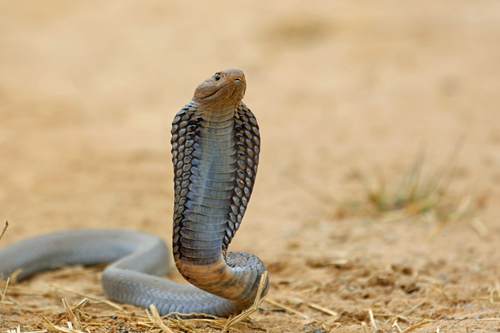


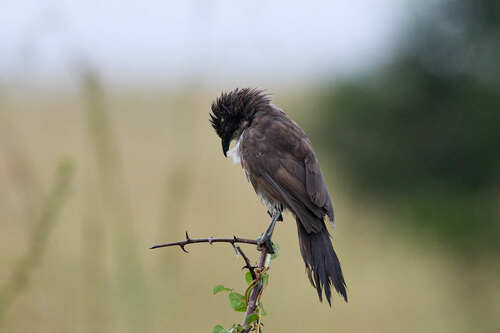
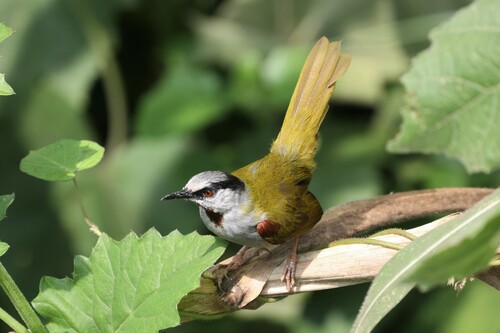


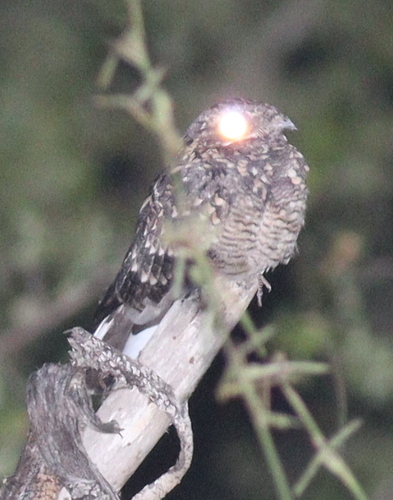




All 5 in 3 days here: ~60%
Nairobi National Park
🇰🇪 Kenya
East Africa, Kenya 1266 spp. recorded
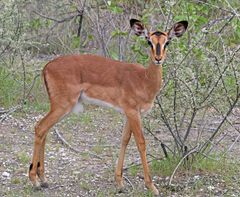
Nairobi National Park sits on the southern fringe of Kenya’s capital, a tropical savanna framed by acacia woodlands and the Mbagathi River. The open grasslands host herds of impala and hartebeest that graze at dawn, while Nile crocodiles sun themselves on the river’s sandbanks.
-1.358° S 36.843° E
🦜 Nature

534 Species sighted
115,959 Verified sightings From 2019 to 2026
Mar Best month
⭐ Iconic Species
📊 Most Spotted
⭐ Iconic Species
📊 Most Spotted
📊 Most Spotted
📊 Most Spotted
📊 Most Spotted
🌙 Most active after dark
+ 856 more species with insufficient data
Challenges you can complete here


All 4 in 3 days here: ~50%


All 5 in 3 days here: ~50%




All 5 in 3 days here: ~40%
Recent sightings in Nairobi National Park
LIVEiNaturalistSighting Calendar
How many species you'd see in a day
73Jan
79Feb
92Mar
87Apr
80May
86Jun
74Jul
81Aug
77Sep
85Oct
81Nov
83Dec
Sighting Zones
Warmer areas are where all species together are recorded most often.
-
1.355° S, 36.822° E
Daily sight. prob.vs avg -
North-east park edge







🏕️ Experience
Essentials
Entrance
Paid
Tourism
High
Typical stay
1
dayTrails
Easy
World Heritage
No
Climate
Temp °C Rain mm
JanFebMarAprMayJunJulAugSepOctNovDec
0.0 World-class
Wallace's Line Score
How good is this park for seeing wildlife? 🦜
Biodiversity
Very goodHow rich is the wildlife?
4.5
Species by taxon
🦅 Birds 838
🐒 Mammals 253
🦎 Reptiles 129
🐸 Amphibians 46
1266 Total Species
828 Global average across 316 parks
48 Threatened 5 Endemic
🔭
Sighting
ExcellentHow likely to see animals?
5.0
🎯
Top-12 Avg Probability
71% 📊
Coverage (338 species at ≥5% of 1266 in the inventory)
27% 🔀
Taxon variety in top 12 (7 bird, 4 mammal, 1 reptile)
72% 🔭
Species per 10 outings (distinct species a visitor would meet over 10 outings — effort held equal across parks)
223 🌟
Iconic-group species (≥15%) (every species from the 19 iconic groups — monkeys, cats, toucans, macaws, sloths, crocodilians… — not just the 4 highlighted above)
35 ⭐
High-prob species (>40%)
71 🏕️
Experience
ExcellentHow easy and pleasant is the visit?
4.4
Climate Pleasant High
Entrance Paid Low
Tourism Medium Medium
Trails Easy High
World Heritage No —
What visitors say
We saw a male lion hiding in a bush eating a dead zebra it had just killed.
There were times where we didn’t see some animals for a while, but while others had total lack of interest in non-“Big Five” animals such as zebras or ostrich, we were ok with lingering if we were at least away from other people.
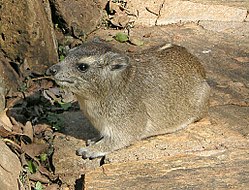
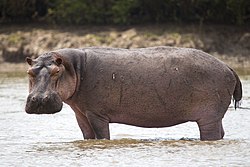
As we made our way into the interior we saw zebras, giraffes, elands, impalas, gazelles, ostriches, hippos, rhinos, crocodiles, rock hyraxes, and both male and female lions.
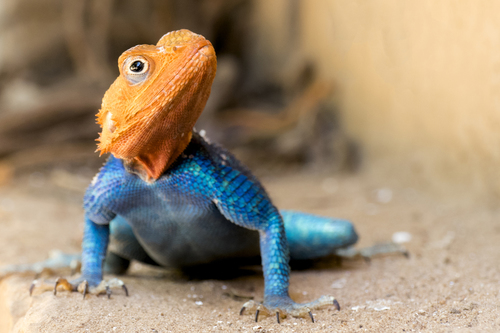
We were lucky to see a single monitor lizard at Hippo Pools and an agama-like lizard on the rocky plains.
Before you go
What animals can you see in Nairobi National Park?
1,266 species
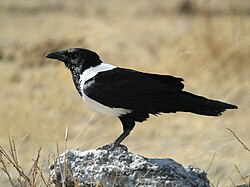
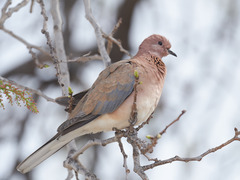
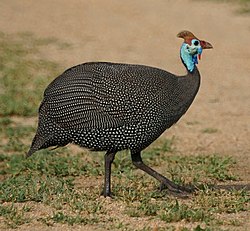
Nairobi National Park has 1,266 recorded vertebrate species. The ones wildlife watchers report most often on a given day are Impala (about 80%), Hartebeest (about 80%), Nile Crocodile (about 80%), Black Kite (about 70%) and Common Bulbul (about 70%). Among amphibians, the most-seen is Common Reed Frog (about 10%).
When is the best time to visit Nairobi National Park for wildlife?
March
In that month the park's 12 most-seen species average about 80% on a given day, against about 60% in January.
Can you see a White Rhinoceros in Nairobi National Park?
Yes
About 60% of wildlife watchers report a White Rhinoceros sighting in Nairobi National Park on a given day, based on 311 verified sightings from GBIF citizen-science data from 2019 to 2026. The best time is March, July–August and December (about 70%).
Can you see a Lion in Nairobi National Park?
Yes
About 50% of wildlife watchers report a Lion sighting in Nairobi National Park on a given day, based on 228 verified sightings from GBIF citizen-science data from 2019 to 2026. The best time is February–March, May and November (about 60%).
Can you see an East African Giraffe in Nairobi National Park?
Yes
About 50% of wildlife watchers report an East African Giraffe sighting in Nairobi National Park on a given day, based on 314 verified sightings from GBIF citizen-science data from 2019 to 2026. The best time is March and May (about 70%).
Is Nairobi National Park good for wildlife watching?
4.8 out of 5
On the Wallace's Line Score, Nairobi National Park rates 4.8/5: 16th of 316 parks worldwide and 10th in Africa. 90 of its species are reported by about 40% or more of wildlife watchers on a given day.