Gum Leaf Skeletoniser

Gum Leaf Skeletoniser

Uraba lugens

Daily sighting probability ~10% · With luck
at Lamington National Park

In 3 days ~20% in a week ~40%

6 Verified sightings at Lamington National Park From 2019 to 2026
68 In all 4 parks
January Best month
☀️🌙 Day & Night When it's spotted

About the Gum Leaf Skeletoniser

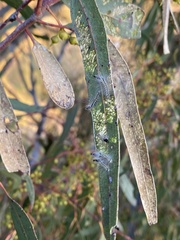
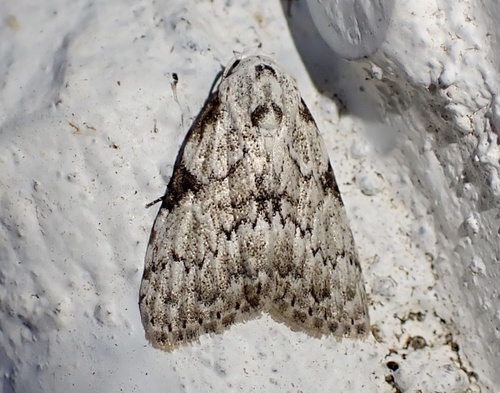
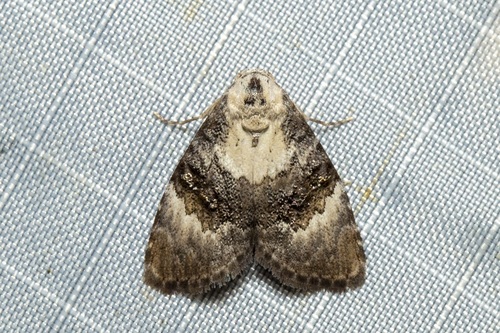
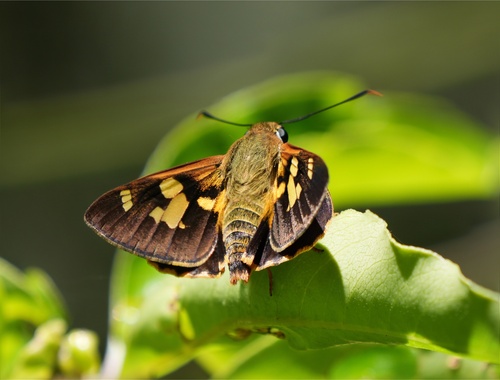
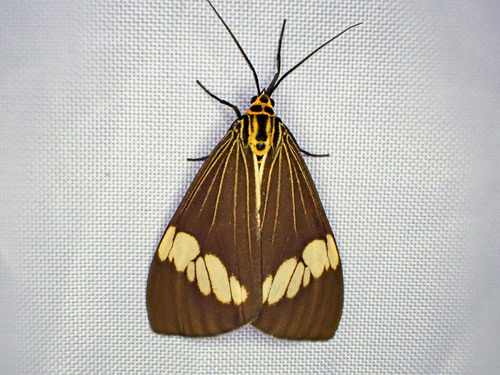
Uraba lugens, the gum-leaf skeletoniser, is a moth of the family Nolidae. It is found in Australia and New Zealand. The larvae are a serious pest of Eucalyptus species and their close relatives. The wingspan is 25–30 mm. In Australia there are about one or two generations per year.

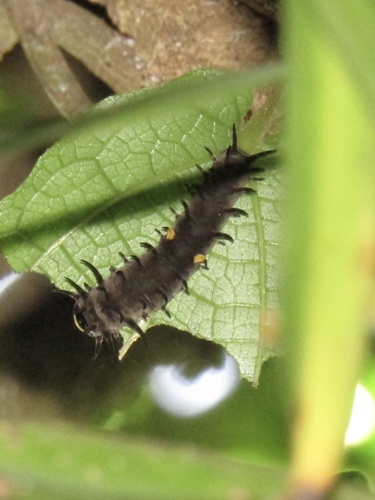
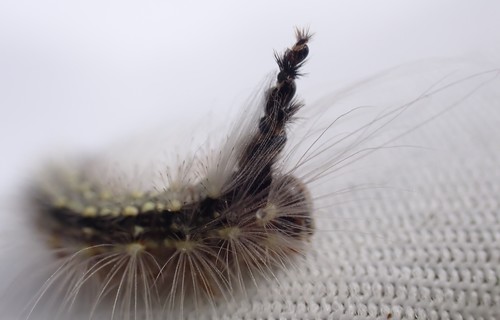
Uraba lugens is nicknamed the mad hatterpillar because of its distinctive exoskeletal feature. Every time it sheds the head portion of its exoskeleton, the exoskeleton stays attached to its body. Over time, developing through its life span, the head grows bigger and sheds increasingly larger exoskeleton shells, which build up underneath each other.

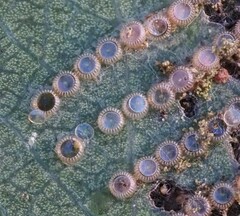
Uraba lugens develops as a typical moth. The life cycles occur twice a year: once in the summer and once in the winter. Eggs are laid in groups of 100–200 and are about 1 mm in diameter. Caterpillars are mostly yellow with some black markings. After hatching from a cocoon, the resulting moths are grey in colour. During the larval stage, Uraba lugens can cause damage to trees by chewing.

In 2001, an infestation of U. lugens was discovered in south-west Auckland. By 2007, the population had established throughout the greater Auckland area... Wikipedia →
Global Distribution

Parks Where Found

# Park Country Daily sighting probability
1 Great Otway National Park 🇦🇺 Australia
~10%
2 Lamington National Park 🇦🇺 Australia
~10%
3 Springbrook National Park 🇦🇺 Australia
~10%
4 Blue Mountains National Park 🇦🇺 Australia
<5%

Cities Where Found

# City Country Daily sighting probability
1 Auckland 🇳🇿 New Zealand
~10%
2 Melbourne 🇦🇺 Australia
~10%
3 Brisbane 🇦🇺 Australia
<5%

Before you go

What are the chances of seeing a Gum Leaf Skeletoniser in Lamington National Park?

With luck

About 10% of wildlife watchers report a Gum Leaf Skeletoniser sighting in Lamington National Park on a given day, based on 6 verified sightings from GBIF citizen-science data from 2019 to 2026. It is the 308th most-seen of the 430 insects we can rate there. Over three days the chance rises to about 20%, and over a week to about 40%, if each day is a fresh chance.

When is the best time to see a Gum Leaf Skeletoniser in Lamington National Park?

January–February, April and October

In those months about 10% of wildlife watchers report a Gum Leaf Skeletoniser in Lamington National Park on a given day, against under 5% in March, May–September and November–December, the lowest months.

What time of day is best to see a Gum Leaf Skeletoniser?

Between 7 and 10 pm

Across all the parks we cover, that three-hour window holds the most Gum Leaf Skeletoniser sightings with a recorded time, and about 6 in 10 of them come between 6 pm and 6 am: it is seen both by day and at night.

Is Lamington National Park the best place to see a Gum Leaf Skeletoniser?

Among the best

Of the 4 parks where we can rate Gum Leaf Skeletoniser sightings, Lamington National Park ranks 2nd at about 10%, level with the leaders once rounded. The best odds are in Great Otway National Park (Australia, about 10%).

Which relatives of the Gum Leaf Skeletoniser live in Lamington National Park?

Same family: Nolidae

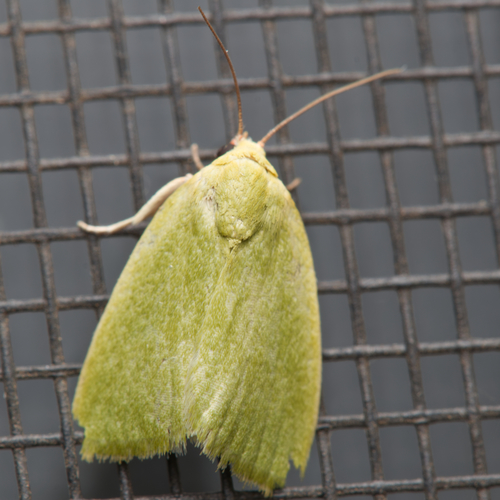
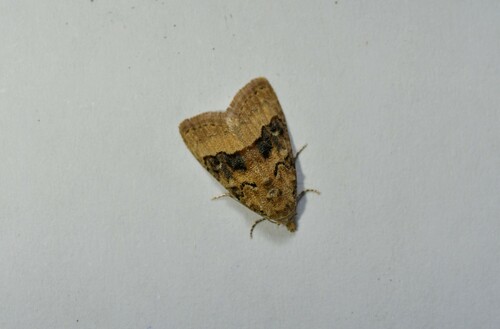
The closest relatives of the Gum Leaf Skeletoniser that you can see in Lamington National Park (family Nolidae, Tufted Moths) are Earias smaragdina (about 10%), Manoba major (about 10%) and Nola squalida (about 10%), with each one's daily chance of a sighting.

Where does the Gum Leaf Skeletoniser sighting chance come from?

GBIF citizen-science records

It is estimated from how often the Gum Leaf Skeletoniser is recorded against all the insects logged in Lamington National Park (6 verified sightings from 2019 to 2026), calibrated against known sighting rates. Figures are rounded to the nearest 10% because citizen-science data supports honest approximations, not decimals, and months with records from fewer than five people show "—". How it works.

← Back to Lamington National Park