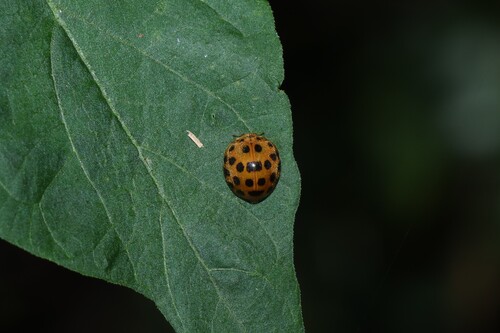
Washerwoman

Washerwoman

Anoplognathus porosus

Endemic
Daily sighting probability ~10% · With luck
at Lamington National Park

In 3 days ~20% in a week ~50%

8 Verified sightings at Lamington National Park From 2019 to 2026
82 In all 4 parks
February Best month
☀️🌙 Day & Night When it's spotted

About the Washerwoman

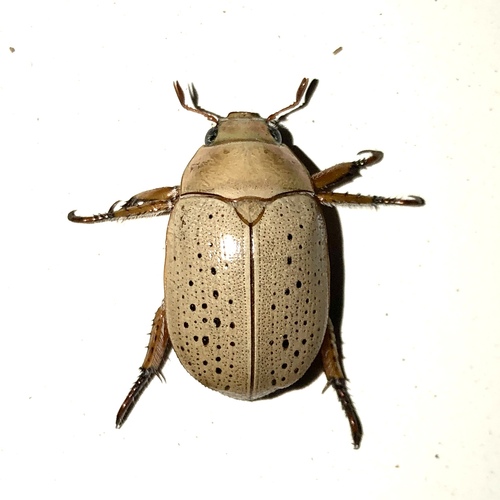
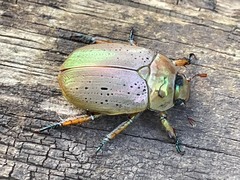
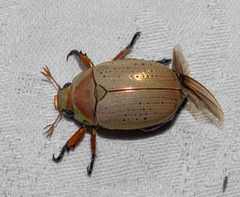
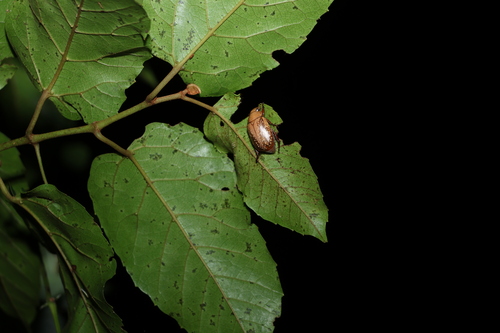
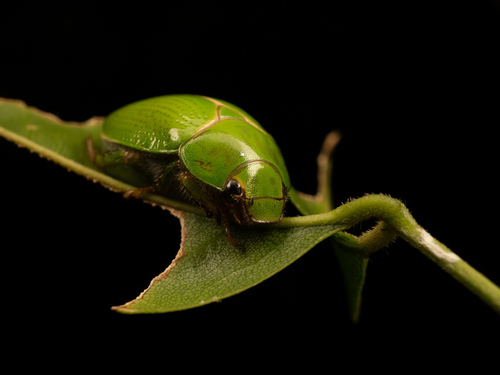
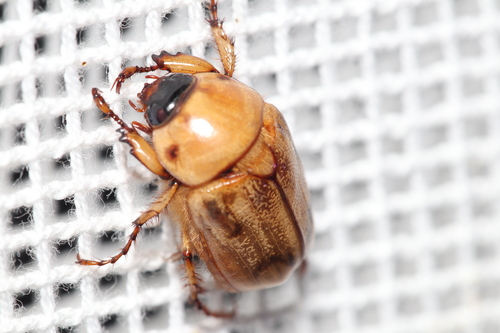
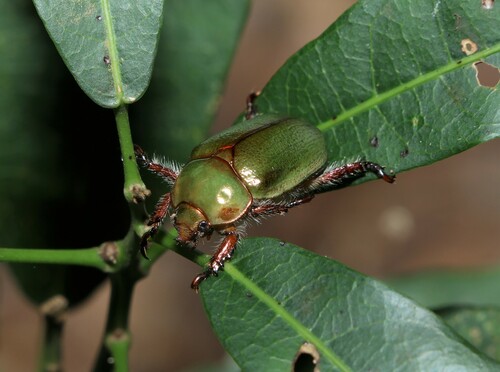
Anoplognathus porosus, commonly known as the washerwoman, is a species of scarab beetle within the genus Anoplognathus. Anoplognathus porosus is commonly known as the "washerwoman". The scarab genus Anoplognathus to which the washerwoman belongs is commonly known as the Christmas beetles. The species epithet, porosus, meaning "with holes", refers to the coloured indentations on the beetle's wing-cases.

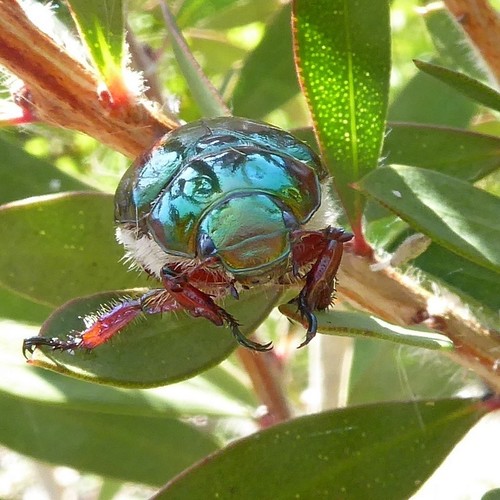
The species has several taxonomic synonyms. Anoplognathus porosus can vary in appearance and the most inconsistent of the christmas beetles. Accordingly, it can be misindentified as the related species A. boisduvali, A. pallidicollis, and A. rugosus. A. porosus is generally pale reddish brown with both the head and the elytra tinted with a greenish-pink lustre or solidly darker brown. On the pronotum and the scutellum, the tinting is more visible The abdomen itself is a rich ruddy-brown with green shine. The legs are also light brown with a green lustre; the tarsi, however – the final segment of each leg – are black, yet still with greenish lustre. The final segment of the body, the pygidium, is pink or green in colour. It short white hairs on both the... Wikipedia →

Global Distribution

Parks Where Found

# Park Country Daily sighting probability
1 Royal National Park 🇦🇺 Australia
~20%
2 Lamington National Park 🇦🇺 Australia
~10%
3 Springbrook National Park 🇦🇺 Australia
~10%
4 Blue Mountains National Park 🇦🇺 Australia
~10%

Cities Where Found

# City Country Daily sighting probability
1 Sydney 🇦🇺 Australia
~10%
2 Brisbane 🇦🇺 Australia
~10%

Before you go

What are the chances of seeing a Washerwoman in Lamington National Park?

With luck

About 10% of wildlife watchers report a Washerwoman sighting in Lamington National Park on a given day, based on 8 verified sightings from GBIF citizen-science data from 2019 to 2026. It is the 227th most-seen of the 430 insects we can rate there. Over three days the chance rises to about 20%, and over a week to about 50%, if each day is a fresh chance.

When is the best time to see a Washerwoman in Lamington National Park?

February

In that month about 20% of wildlife watchers report a Washerwoman in Lamington National Park on a given day, against under 5% in April to October, the lowest months. That is one of Lamington National Park's wettest months, with about 160 mm of rain against 40 mm in August.

What time of day is best to see a Washerwoman?

Between 7 and 10 pm

Across all the parks we cover, that three-hour window holds the most Washerwoman sightings with a recorded time, and about half of them come between 6 pm and 6 am: it is seen both by day and at night.

Is Lamington National Park the best place to see a Washerwoman?

2nd of 4

Of the 4 parks where we can rate Washerwoman sightings, Lamington National Park ranks 2nd at about 10%. The best odds are in Royal National Park (Australia, about 20%).

Which relatives of the Washerwoman live in Lamington National Park?

Same genus: Anoplognathus

The closest relatives of the Washerwoman that you can see in Lamington National Park (genus Anoplognathus, Christmas Beetles) are Campfire Beetle (about 10%) and Granny Smith Beetle (about 10%), with each one's daily chance of a sighting.

Where does the Washerwoman sighting chance come from?

GBIF citizen-science records

It is estimated from how often the Washerwoman is recorded against all the insects logged in Lamington National Park (8 verified sightings from 2019 to 2026), calibrated against known sighting rates. Figures are rounded to the nearest 10% because citizen-science data supports honest approximations, not decimals, and months with records from fewer than five people show "—". How it works.

← Back to Lamington National Park