


Completed


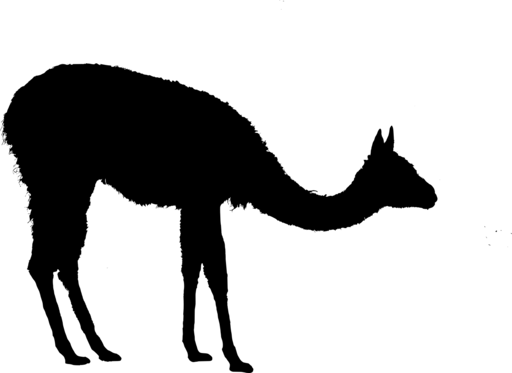
Vicuña
Vicugna vicugna
Silhouette: Kai Caspar · PhyloPic
- KingdomAnimalia (Animals)
- PhylumChordata (Chordates)
- ClassMammalia (Mammals)
- OrderArtiodactyla (Even-toed Ungulates and Cetaceans)
- FamilyCamelidae (Camelids)
- GenusVicugna
- SpeciesVicugna vicugna (Vicuña)
In 3 days >90%
40 Verified sightings at Lauca National Park From 2019 to 2026
40 In 1 park
June Best month
☀️ Diurnal When it's spotted
About the Vicuña
The vicuña (Lama vicugna) or vicuna (both, very rarely spelled vicugna, its Latin specific name) is a wild South American camelid which lives in high alpine areas of the Andes. It is a relative of the llama, the domesticated descendant of the guanaco, the only other still wild South American camelid.
The vicuña is believed to be the ancestor of domesticated alpaca, which is raised for its coat. The vicuña produces small amounts of extremely fine wool, which is very expensive because the animal has to be caught from the wild to be fleeced and can only be shorn only every three years. When knitted together, the product of the vicuña's wool is very soft and warm. The Inca valued the vicuña highly for its wool, and it was prohibited for anyone but royalty to wear vicuña garments; today, the vicuña is the national animal of Peru and appears on the Peruvian coat of arms.
Both under the rule of the Inca and today, the vicuña has been protected by law, but it was heavily hunted in the intervening period. Only about 6,000 animals were left when it was declared endangered in 1974. Today, the vicuña population has recovered to about 350,000, and although conservation organizations have reduced its level of threat classification, they still call for active conservation programs to protect populations from poaching, habitat loss, and other threats.
Previously, the vicuña was not considered domesticated, and the llama and the alpaca were regarded as descendants of the closely related guanaco. However, DNA research published in 2001 demonstrated that the alpaca may have vicuña parentage. Today, the vicuña is mainly wild, but the local people still perform special rituals with these creatures, including a fertility rite. Wikipedia →
Recent sightings of Vicuña in Lauca National Park
LIVEiNaturalistGlobal Distribution
Parks Where Found
| # | Park | Country | Daily sighting probability |
|---|---|---|---|
| 1 | Lauca National Park | 🇨🇱 Chile |
More parks will be added in future updates.
Zoos & Centres Where Found
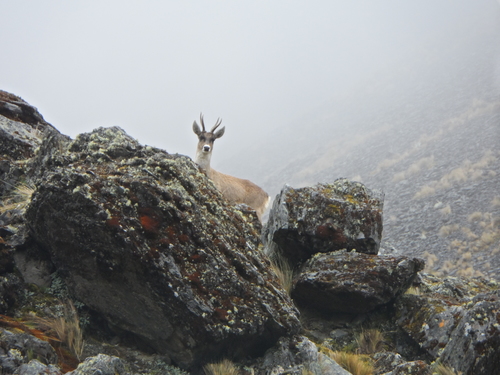
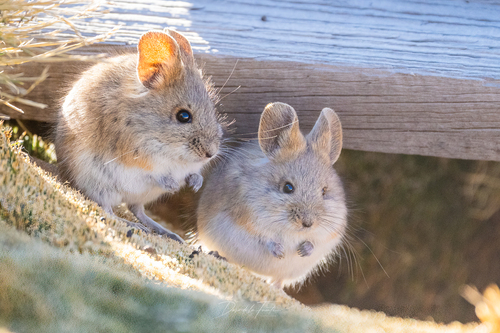
Closest Relatives at Lauca National Park




Before you go
What are the chances of seeing a Vicuña in Lauca National Park?
Very likely
About 80% of wildlife watchers report a Vicuña sighting in Lauca National Park on a given day, based on 40 verified sightings from GBIF citizen-science data from 2019 to 2026. It is the 2nd most-seen of the 5 mammals we can rate there. Over three days the chance rises to over 90%, if each day is a fresh chance.
When is the best time to see a Vicuña in Lauca National Park?
February–March, May–June and November–December
In those months about 80% of wildlife watchers report a Vicuña in Lauca National Park on a given day, against about 50% in October, the lowest month. August has too few records to rate.
What time of day is best to see a Vicuña?
Between 10 am and 1 pm
Across all the parks we cover, that three-hour window holds the most Vicuña sightings with a recorded time, and about 9 in 10 of them come between 6 am and 6 pm: it is a daytime animal.
Where else can you see a Vicuña?
Only Lauca National Park, in our data
Lauca National Park is the only park on Wallace's Line with enough records to rate Vicuña sightings: about 80% of wildlife watchers there report one on a given day.
Where does the Vicuña sighting chance come from?
GBIF citizen-science records
It is estimated from how often the Vicuña is recorded against all the mammals logged in Lauca National Park (40 verified sightings from 2019 to 2026), calibrated against known sighting rates. Figures are rounded to the nearest 10% because citizen-science data supports honest approximations, not decimals, and months with records from fewer than five people show "—". How it works.
