


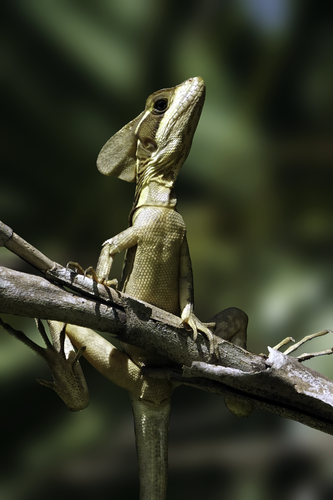


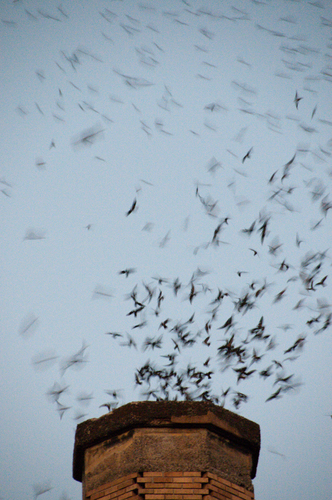

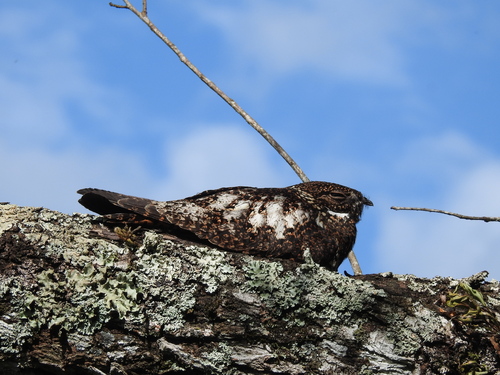



All 5 in 3 days here: ~20%
Montes Azules Biosphere Reserve
🇲🇽 Mexico
Chiapas, Mexico 978 spp. recorded
Montes Azules holds the largest surviving block of the Lacandon rainforest, and the river is how you see it. Yucatán black howlers call from the banks on more than eight trips in ten and Geoffroy's spider monkeys are recorded on seven.
16.388° N 91.102° W
🦜 Nature

400 Species sighted
13,289 Verified sightings From 2019 to 2026
May Best month
⭐ Iconic Species
📊 Most Spotted
⭐ Iconic Species
📊 Most Spotted
⭐ Iconic Species
📊 Most Spotted
⭐ Iconic Species
📊 Most Spotted
📊 Most Spotted
📊 Most Spotted
+ 707 more species with insufficient data
Challenges you can complete here
Recent sightings in Montes Azules Biosphere Reserve
LIVEiNaturalistSighting Calendar
How many species you'd see in a day
52Jan
42Feb
38Mar
35Apr
55May
41Jun
40Jul
42Aug
38Sep
38Oct
46Nov
41Dec
Sighting Zones
Warmer areas are where all species together are recorded most often.
-
Canto de La Selva Luxury Lodge
-
Hotel Ecolodge Ara Macao Las Guacamayas
-
Zona Arqueológica Bonampak






🏕️ Experience
Essentials
Entrance
—
Tourism
Low
Typical stay
1–2
daysTrails
Moderate
World Heritage
No
Climate
Temp °C Rain mm
JanFebMarAprMayJunJulAugSepOctNovDec
0.0 Good
Wallace's Line Score
How good is this park for seeing wildlife? 🦜
Biodiversity
GoodHow rich is the wildlife?
4.0
Species by taxon
🦅 Birds 579
🐒 Mammals 217
🦎 Reptiles 131
🐸 Amphibians 51
978 Total Species
828 Global average across 316 parks
26 Threatened 81 Endemic
🔭
Sighting
GoodHow likely to see animals?
3.1
🎯
Top-12 Avg Probability
53% 📊
Coverage (263 species at ≥5% of 978 in the inventory)
27% 🔀
Taxon variety in top 12 (10 bird, 2 mammal)
37% 🔭
Species per 10 outings (distinct species a visitor would meet over 10 outings — effort held equal across parks)
173 🌟
Iconic-group species (≥15%) (every species from the 19 iconic groups — monkeys, cats, toucans, macaws, sloths, crocodilians… — not just the 4 highlighted above)
17 ⭐
High-prob species (>40%)
19 🏕️
Experience
ExcellentHow easy and pleasant is the visit?
4.4
Climate Pleasant High
Entrance Not verified Low
Tourism Low High
Trails Moderate Medium
World Heritage No —
Before you go
What animals can you see in Montes Azules Biosphere Reserve?
978 species
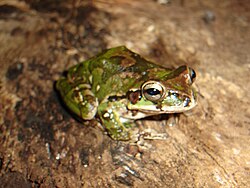
Montes Azules Biosphere Reserve has 978 recorded vertebrate species. The ones wildlife watchers report most often on a given day are Scarlet Macaw (about 60%), Brown Jay (about 60%), Social Flycatcher (about 60%), Keel-billed Toucan (about 60%) and Turkey Vulture (about 50%). Among mammals, the most-seen is Central American Spider Monkey (about 50%); among reptiles, Belize Crocodile (about 50%); among amphibians, Mexican Smilisca (about 30%).
When is the best time to visit Montes Azules Biosphere Reserve for wildlife?
May, July and December–February
In those months the park's 12 most-seen species average about 60% on a given day, against about 40% in August to October.
Can you see a Mexican Black Howler Monkey in Montes Azules Biosphere Reserve?
Yes
About 50% of wildlife watchers report a Mexican Black Howler Monkey sighting in Montes Azules Biosphere Reserve on a given day, based on 188 verified sightings from GBIF citizen-science data from 2019 to 2026. The best time is December (about 70%).
Can you see a Central American Spider Monkey in Montes Azules Biosphere Reserve?
Yes
About 50% of wildlife watchers report a Central American Spider Monkey sighting in Montes Azules Biosphere Reserve on a given day, based on 143 verified sightings from GBIF citizen-science data from 2019 to 2026. The best time is December (about 70%).
Can you see a Scarlet Macaw in Montes Azules Biosphere Reserve?
Yes
About 60% of wildlife watchers report a Scarlet Macaw sighting in Montes Azules Biosphere Reserve on a given day, based on 85 verified sightings from GBIF citizen-science data from 2019 to 2026. The best time is March–April, July and December–January (about 70%).
Can you see a Belize Crocodile in Montes Azules Biosphere Reserve?
Yes
About 50% of wildlife watchers report a Belize Crocodile sighting in Montes Azules Biosphere Reserve on a given day, based on 138 verified sightings from GBIF citizen-science data from 2019 to 2026. The best time is January, April–May and October (about 60%).
Where in Montes Azules Biosphere Reserve is wildlife easiest to see?
Around Canto de La Selva Luxury Lodge
The richest sighting zone is around Canto de La Selva Luxury Lodge, followed by Hotel Ecolodge Ara Macao Las Guacamayas and Estación Chajul, ranked by how many of the park's headline animals visitors can expect to see in each. See the zones on the map.
Is Montes Azules Biosphere Reserve good for wildlife watching?
3.5 out of 5
On the Wallace's Line Score, Montes Azules Biosphere Reserve rates 3.5/5: 203rd of 316 parks worldwide and 30th in North America. 29 of its species are reported by about 40% or more of wildlife watchers on a given day.


