Tikal National Park
🇬🇹 Guatemala
Petén, Guatemala 845 spp. recorded
Tikal's temples rise out of unbroken rainforest in northern Petén, inside the Maya Biosphere Reserve. The ruins themselves are where the wildlife is easiest to watch: ocellated turkeys feed on the open plazas, coatis cross the causeways in troops, and spider monkeys move through the canopy at eye level from the top of the temples.
17.222° N 89.620° W
🦜 Nature

432 Species sighted
98,768 Verified sightings From 2019 to 2026
Dec Best month
⭐ Iconic Species


📊 Most Spotted


⭐ Iconic Species
📊 Most Spotted


⭐ Iconic Species
📊 Most Spotted


📊 Most Spotted




📊 Most Spotted


📊 Most Spotted

+ 481 more species with insufficient data
Recent sightings in Tikal National Park
LIVEiNaturalistSighting Calendar
How many species you'd see in a day
58Jan
52Feb
53Mar
57Apr
47May
47Jun
47Jul
49Aug
45Sep
64Oct
49Nov
66Dec
Sighting Zones
Warmer areas are where all species together are recorded most often.
-
Sitio arqueológico
Daily sight. prob.vs avg White-nosed Coati>90%+10%
 Central American Agouti~70%+10%
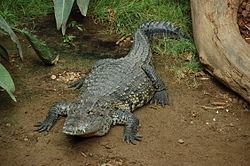 Belize Crocodile~70%+10%
 Gray Fox~60%+10%
 Brown Jay~50%-30%
 Yucatán Squirrel~50%+10%
 Magnolia Warbler~40%-10%
 Montezuma Oropendola~40%-30%
 Keel-billed Toucan~40%-30%
 Central American Spider Monkey~40%-40%
 Melodious Blackbird~40%-30%
 Red-lored Parrot~40%-30%
-
Antigua pista de aterrizaje
Daily sight. prob.vs avg- White-nosed Coati>90%≈
- Central American Agouti~70%+20%
- Belize Crocodile~70%+20%
- Gray Fox~60%+10%
- Yucatán Squirrel~50%+10%
- Brown Jay~50%-40%
- Magnolia Warbler~50%-10%
 Central American Gulf Coast Toad~40%+10%
- Montezuma Oropendola~40%-30%
- Melodious Blackbird~40%-30%
 Northern Tamandua~40%+10%
 Social Flycatcher~30%-30%
-
Zocotzal
Daily sight. prob.vs avg


🏕️ Experience
Essentials
Climate
Temp °C Rain mm
JanFebMarAprMayJunJulAugSepOctNovDec
0.0 Excellent
Wallace's Line Score
How good is this park for seeing wildlife? 🦜
Biodiversity
GoodHow rich is the wildlife?
3.5
Species by taxon
🦅 Birds 549
🐒 Mammals 154
🦎 Reptiles 116
🐸 Amphibians 26
845 Total Species
828 Global average across 316 parks
18 Threatened 68 Endemic
🔭
Sighting
ExcellentHow likely to see animals?
4.4
🎯
Top-12 Avg Probability
70% 📊
Coverage (248 species at ≥5% of 845 in the inventory)
29% 🔀
Taxon variety in top 12 (8 bird, 4 mammal)
59% 🔭
Species per 10 outings (distinct species a visitor would meet over 10 outings — effort held equal across parks)
165 🌟
Iconic-group species (≥15%) (every species from the 19 iconic groups — monkeys, cats, toucans, macaws, sloths, crocodilians… — not just the 4 highlighted above)
23 ⭐
High-prob species (>40%)
37 🏕️
Experience
ExcellentHow easy and pleasant is the visit?
4.7
Climate Pleasant High
Entrance Paid Low
Tourism Medium Medium
Trails Easy High
World Heritage Yes Bonus
What visitors say
We saw several different types of birds, toucans, a large group of coatis, and howler monkeys at our hotel, the Tikal Inn.
Then we saw a big troop of spider monkeys, a hawk (which we later identified as a roadside hawk) and some other cool birds.
I got some fun lifers, including: brown jay, melodious blackbird, plain chachalaca, red-lored amazon parrot, mealy amazon (biggest parrots I’ve ever seen!), black-headed trogons, rufous-naped wood rails, and a couple ocellated turkeys.
I spotted was the Ocellated Turkey, a bird with dazzling iridescent plumage.
Before you go
What animals can you see in Tikal National Park?
845 species
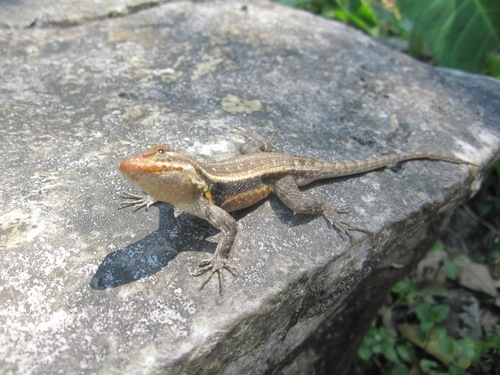
Tikal National Park has 845 recorded vertebrate species. The ones wildlife watchers report most often on a given day are White-nosed Coati (about 90%), Brown Jay (about 90%), Central American Spider Monkey (about 80%), Keel-billed Toucan (about 70%) and Montezuma Oropendola (about 70%). Among reptiles, the most-seen is Belize Crocodile (about 60%); among amphibians, Central American Gulf Coast Toad (about 30%).
When is the best time to visit Tikal National Park for wildlife?
January
In that month the park's 12 most-seen species average about 80% on a given day, against about 60% in September and November. That is one of Tikal National Park's driest months, with about 45 mm of rain against 190 mm in June.
Can you see a Central American Spider Monkey in Tikal National Park?
Yes
About 80% of wildlife watchers report a Central American Spider Monkey sighting in Tikal National Park on a given day, based on 330 verified sightings from GBIF citizen-science data from 2019 to 2026. The best time is August–October and December (about 90%).
Can you see a Keel-billed Toucan in Tikal National Park?
Yes
About 70% of wildlife watchers report a Keel-billed Toucan sighting in Tikal National Park on a given day, based on 1,882 verified sightings from GBIF citizen-science data from 2019 to 2026. The best time is January and July (about 90%).
Can you see a Mexican Black Howler Monkey in Tikal National Park?
Yes
About 60% of wildlife watchers report a Mexican Black Howler Monkey sighting in Tikal National Park on a given day, based on 123 verified sightings from GBIF citizen-science data from 2019 to 2026. The best time is April, June and October (about 70%).
Can you see an Ocellated Turkey in Tikal National Park?
Yes
About 60% of wildlife watchers report an Ocellated Turkey sighting in Tikal National Park on a given day, based on 1,568 verified sightings from GBIF citizen-science data from 2019 to 2026. The best time is January and July (about 80%).
Where in Tikal National Park is wildlife easiest to see?
Around Sitio arqueológico
The richest sighting zone is around Sitio arqueológico, followed by Antigua pista de aterrizaje and Zocotzal, ranked by how many of the park's headline animals visitors can expect to see in each. See the zones on the map.
Is Tikal National Park good for wildlife watching?
4.2 out of 5
On the Wallace's Line Score, Tikal National Park rates 4.2/5: 94th of 316 parks worldwide and 11th in Central America. 45 of its species are reported by about 40% or more of wildlife watchers on a given day.


