



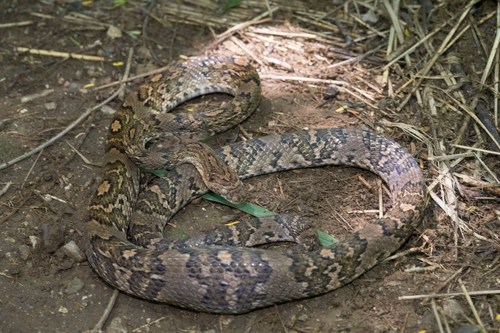


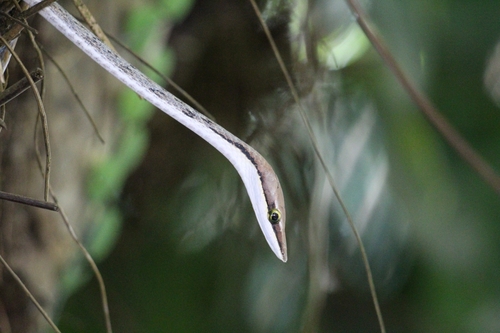


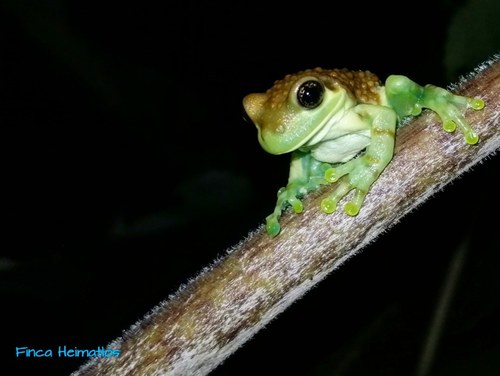


All 4 in 3 days here: ~90%
Palo Verde National Park
🇨🇷 Costa Rica
Guanacaste, Costa Rica 889 spp. recorded
Palo Verde protects Central America's most important Pacific wetland — 18,000+ hectares of seasonal marshes, tropical dry forest, and mangroves where the Tempisque River floods a vast floodplain each rainy season. During the dry months (Dec–Apr), shrinking pools concentrate up to 250,000 waterbirds into a wildlife spectacle visible from lookout points and boat tours.
10.374° N 85.350° W
🦜 Nature

428 Species sighted
65,330 Verified sightings From 2019 to 2026
Oct Best month
⭐ Iconic Species
📊 Most Spotted
📊 Most Spotted
⭐ Iconic Species
📊 Most Spotted
⭐ Iconic Species
📊 Most Spotted
📊 Most Spotted
📊 Most Spotted
🌙 Most active after dark
+ 503 more species with insufficient data
Challenges you can complete here
Recent sightings in Palo Verde National Park
LIVEiNaturalistSighting Calendar
How many species you'd see in a day
52Jan
48Feb
51Mar
43Apr
50May
48Jun
40Jul
53Aug
47Sep
62Oct
46Nov
62Dec
Sighting Zones
Warmer areas are where all species together are recorded most often.
-
RNVS Cipanci, Bolson
Daily sight. prob.vs avg Central American White-faced Capuchin>90%+20%
 Proboscis Bat~90%+40%
 Green Iguana~90%+30%
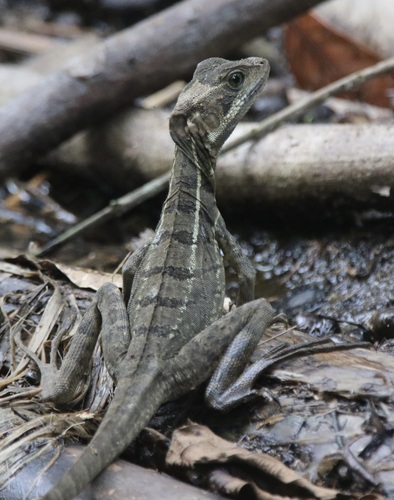
 Common Basilisk~90%+40%
 Black Spiny-tailed Iguana~80%≈
 Bare-throated Tiger Heron~80%+10%
 Green Heron~70%+10%
 Great Egret~70%-10%
 Little Blue Heron~70%+10%
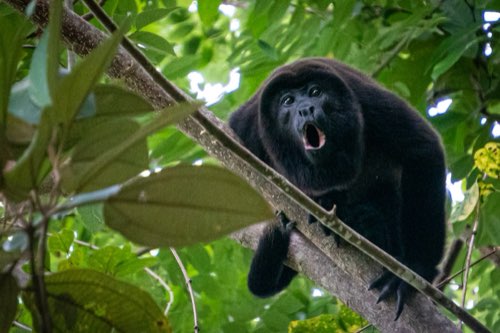
 Mantled Howler Monkey~70%≈
 Great Kiskadee~60%-10%
 Groove-billed Ani~50%-10%
-
Puerto Chamorro
Daily sight. prob.vs avg- Green Iguana>90%+30%
- Black Spiny-tailed Iguana~90%≈
- Mantled Howler Monkey~80%+10%
- Great Kiskadee~70%≈
- Bare-throated Tiger Heron~70%-10%
- Little Blue Heron~60%≈
 Black Vulture~60%≈
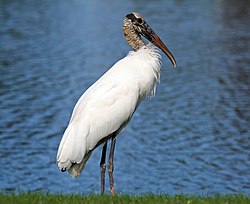 Wood Stork~60%≈
 Tropical Kingbird~60%≈
- Central American White-faced Capuchin~60%-20%
 American Crocodile~60%-20%
- Common Basilisk~60%+10%
-
OTS Station and marsh
Daily sight. prob.vs avg- Black Spiny-tailed Iguana~90%≈
 White-nosed Coati~80%≈
- Central American White-faced Capuchin~80%≈
 Black-bellied Whistling-Duck~70%≈
 Northern Jacana~70%≈
 Stauffer's Tree Frog~60%+20%
- Great Egret~60%-20%
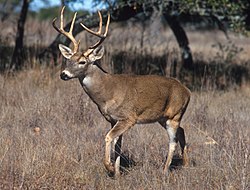 White-tailed Deer~60%≈
 Giant Marine Toad~60%+10%
 White-throated Gecko~60%+10%
 Mexican Smilisca~60%+10%
- Mantled Howler Monkey~50%-20%
-
Bagaces to Palo Verde road · Falconiana
Daily sight. prob.vs avg -
Rancho Humo · wetland refuge loop
Daily sight. prob.vs avg
🏕️ Experience
Essentials
Entrance
Paid
Tourism
Low
Typical stay
1
dayTrails
Easy
World Heritage
No
Climate
Temp °C Rain mm
JanFebMarAprMayJunJulAugSepOctNovDec
0.0 Excellent
Wallace's Line Score
How good is this park for seeing wildlife? 🦜
Biodiversity
Very goodHow rich is the wildlife?
4.3
Species by taxon
🦅 Birds 536
🐒 Mammals 210
🦎 Reptiles 103
🐸 Amphibians 40
889 Total Species
828 Global average across 316 parks
31 Threatened 78 Endemic
🔭
Sighting
ExcellentHow likely to see animals?
4.4
🎯
Top-12 Avg Probability
74% 📊
Coverage (228 species at ≥5% of 889 in the inventory)
26% 🔀
Taxon variety in top 12 (7 bird, 3 mammal, 2 reptile)
76% 🔭
Species per 10 outings (distinct species a visitor would meet over 10 outings — effort held equal across parks)
129 🌟
Iconic-group species (≥15%) (every species from the 19 iconic groups — monkeys, cats, toucans, macaws, sloths, crocodilians… — not just the 4 highlighted above)
18 ⭐
High-prob species (>40%)
40 🏕️
Experience
Very goodHow easy and pleasant is the visit?
3.6
Climate Mixed Medium
Entrance Paid Low
Tourism High Low
Trails Easy High
World Heritage No —
What visitors say
We saw green and black iguanas, bats, lots of crocodiles, howler monkeys and white faced monkeys.
My complexion and the beach are enemies and while researching Costa Rica prior to the trip I'd read that Palo Verde is an amazing place to see birds.
Ironically, I did not even know of this location before our visit, having much greater familiarity with the more famous Palo Verde wetland in Guancaste; but based on my experience of two excursions to Palo Verde I think Las Pangas has it beat.
We decided to take a break from the wedding festivities and join a river cruise in Palo Verde with the local, family-owned Palo Verde Boat Tours.
Before you go
What animals can you see in Palo Verde National Park?
889 species
Palo Verde National Park has 889 recorded vertebrate species. The ones wildlife watchers report most often on a given day are Black Spiny-tailed Iguana (about 90%), Great Egret (about 80%), Central American White-faced Capuchin (about 80%), White-nosed Coati (about 80%) and Great Kiskadee (about 70%). Among amphibians, the most-seen is Stauffer's Tree Frog (about 50%).
When is the best time to visit Palo Verde National Park for wildlife?
January
In that month the park's 12 most-seen species average about 80% on a given day, against about 60% in November. That is one of Palo Verde National Park's driest months, with about 5 mm of rain against 480 mm in October.
Can you see a Jabiru in Palo Verde National Park?
Yes
About 40% of wildlife watchers report a Jabiru sighting in Palo Verde National Park on a given day, based on 738 verified sightings from GBIF citizen-science data from 2019 to 2026. The best time is September (about 50%).
Can you see a Roseate Spoonbill in Palo Verde National Park?
Yes
About 50% of wildlife watchers report a Roseate Spoonbill sighting in Palo Verde National Park on a given day, based on 924 verified sightings from GBIF citizen-science data from 2019 to 2026. The best time is December (about 70%).
Can you see a Wood Stork in Palo Verde National Park?
Yes
About 70% of wildlife watchers report a Wood Stork sighting in Palo Verde National Park on a given day, based on 1,307 verified sightings from GBIF citizen-science data from 2019 to 2026. The best time is December (about 80%).
Can you see an American Crocodile in Palo Verde National Park?
Yes
About 70% of wildlife watchers report an American Crocodile sighting in Palo Verde National Park on a given day, based on 383 verified sightings from GBIF citizen-science data from 2019 to 2026. The best time is August (about 90%).
Where in Palo Verde National Park is wildlife easiest to see?
Around RNVS Cipanci, Bolson
The richest sighting zone is around RNVS Cipanci, Bolson, followed by Puerto Chamorro and OTS Station and marsh, ranked by how many of the park's headline animals visitors can expect to see in each. See the zones on the map.
Is Palo Verde National Park good for wildlife watching?
4.4 out of 5
On the Wallace's Line Score, Palo Verde National Park rates 4.4/5: 58th of 316 parks worldwide and 4th in Central America. 51 of its species are reported by about 40% or more of wildlife watchers on a given day.