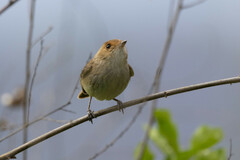

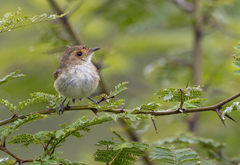
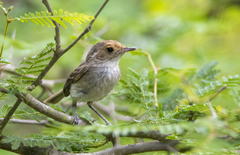

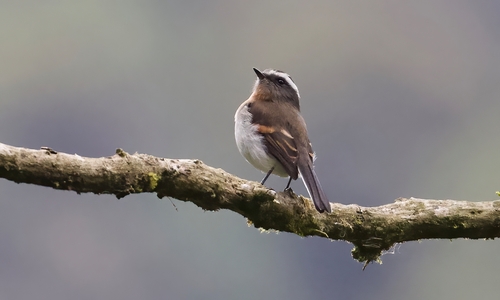
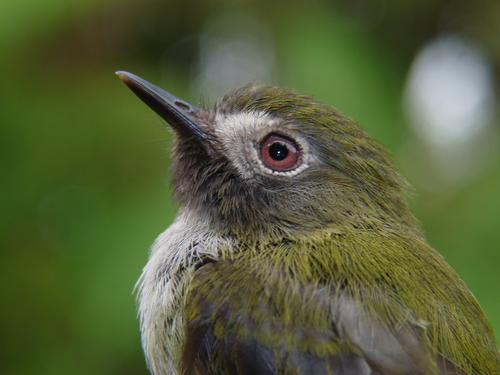
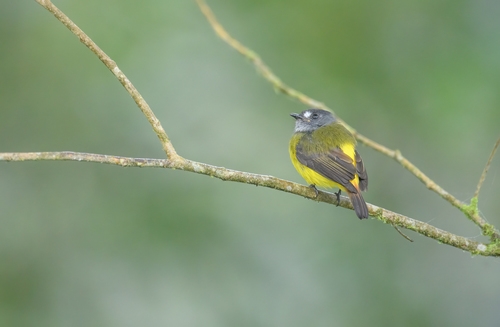
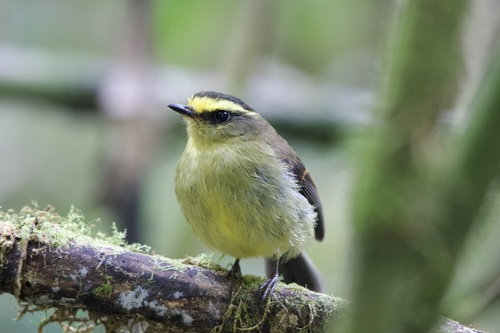
Fulvous-headed Pygmy-Tyrant

Fulvous-headed Pygmy-Tyrant

Euscarthmus fulviceps

Silhouette: Emily Willoughby · PhyloPic

LCLeast ConcernNTVUENCR
Daily sighting probability <5% · Rare
at Podocarpus National Park

In 3 days <5%

6 Verified sightings at Podocarpus National Park From 2019 to 2026
257 In all 2 parks
December Best month
☀️ Diurnal When it's spotted

About the Fulvous-headed Pygmy-Tyrant

The fulvous-faced scrub tyrant, or tawny-fronted pygmy-tyrant (Euscarthmus fulviceps) is a species of bird in the family Tyrannidae, the tyrant flycatchers. It is found in Ecuador, Peru, and possibly Colombia. What is now the fulvous-faced scrub tyrant was previously a subspecies of what was then the tawny-crowned pygmy tyrant (E. meloryphus). After the split most taxonomic systems renamed its former parent the fulvous-crowned scrub tyrant and gave this species its current common name to avoid confusion with the pre-split species and other, unrelated, species called "pygmy tyrants". However, as of late 2024 BirdLife International's Handbook of the Birds of the World retains the original common name for E. meloryphus and calls this species the tawny-fronted pygmy-tyrant.

The fulvous-faced scrub tyrant is monotypic. The fulvous-faced scrub tyrant is 10 to 12 cm (3.9 to 4.7 in) long and weighs 5.3 to 7.6 g (0.19 to 0.27 oz). The sexes have the same plumage. Adults have a cinnamon brown crown with a weak crest and a small rufous central crown patch that is somewhat hidden. Their face is mostly fulvous. Their upperparts are cinnamon brown... Wikipedia →

Sounds

Recording0:12

Ecuador · 2025

© Mathieu Sannier · iNaturalist · CC BY-NC 4.0

Recording1:00

Peru · 2020

© Rutger Koperdraad · Observation.org, Nature data from around the World · CC BY-NC-ND 4.0

Global Distribution

Parks Where Found

# Park Country Daily sighting probability
1 Machalilla National Park 🇪🇨 Ecuador
~40%
2 Podocarpus National Park 🇪🇨 Ecuador
<5%

Cities Where Found

# City Country Daily sighting probability
1 Guayaquil 🇪🇨 Ecuador
<5%

Before you go

What are the chances of seeing a Fulvous-headed Pygmy-Tyrant in Podocarpus National Park?

Rare

Under 5% of wildlife watchers report a Fulvous-headed Pygmy-Tyrant sighting in Podocarpus National Park on a given day, based on 6 verified sightings from GBIF citizen-science data from 2019 to 2026. It is the 419th most-seen of the 446 birds we can rate there. Over three days the chance rises to under 5%, if each day is a fresh chance.

When is the best time to see a Fulvous-headed Pygmy-Tyrant in Podocarpus National Park?

Any time of year

In every month with enough records, under 5% of wildlife watchers report a Fulvous-headed Pygmy-Tyrant in Podocarpus National Park on a given day, so our monthly data shows no clear season.

What time of day is best to see a Fulvous-headed Pygmy-Tyrant?

Between 10 am and 1 pm

Across all the parks we cover, that three-hour window holds the most Fulvous-headed Pygmy-Tyrant sightings with a recorded time, and about 9 in 10 of them come between 6 am and 6 pm: it is a daytime animal.

Is Podocarpus National Park the best place to see a Fulvous-headed Pygmy-Tyrant?

2nd of 2

Of the 2 parks where we can rate Fulvous-headed Pygmy-Tyrant sightings, Podocarpus National Park ranks 2nd at under 5%. The best odds are in Machalilla National Park (Ecuador, about 40%).

Which relatives of the Fulvous-headed Pygmy-Tyrant live in Podocarpus National Park?

Same family: Tyrannidae

The closest relatives of the Fulvous-headed Pygmy-Tyrant that you can see in Podocarpus National Park (family Tyrannidae, Tyrant Flycatchers) are Cinnamon Flycatcher (about 30%), Tropical Kingbird (about 20%) and White-banded Tyrannulet (about 20%), with each one's daily chance of a sighting.

Where does the Fulvous-headed Pygmy-Tyrant sighting chance come from?

GBIF citizen-science records

It is estimated from how often the Fulvous-headed Pygmy-Tyrant is recorded against all the birds logged in Podocarpus National Park (6 verified sightings from 2019 to 2026), calibrated against known sighting rates. Figures are rounded to the nearest 10% because citizen-science data supports honest approximations, not decimals, and months with records from fewer than five people show "—". How it works.

← Back to Podocarpus National Park