City
Guayaquil
🇪🇨 Ecuador
South America, Ecuador 310 spp. recorded
Guayaquil, officially Santiago de Guayaquil, is the capital of Guayas Province and the seat of Guayaquil Canton. It is the largest city in Ecuador and also the nation's economic capital and main port. The city is located on the west bank of the Guayas River, which flows into the Pacific Ocean at the Gulf of Guayaquil. Wikipedia
2.168° S 79.902° W
🦜 Nature

310 Species sighted
22,445 Verified sightings From 2019 to 2026
Dec Best month
⭐ Iconic Species


📊 Most Spotted



📊 Most Spotted


LC
 Pallas' Free-tailed Bat
Molossus molossus

LC
 Crab-eating Raccoon
Procyon cancrivorus

LC
Fraternal Fruit-eating Bat
Artibeus fraterculus
No photo available
Wilson's Bonneted Bat
Eumops wilsoni

LC
 Hoffmann's Two-toed Sloth
Choloepus hoffmanni

LC
 Ocelot
Leopardus pardalis

LC
 South American Coati
Nasua nasua

LC
 White-tailed Deer
Odocoileus virginianus

LC
 Red-tailed Squirrel
Sciurus granatensis
⭐ Iconic Species
📊 Most Spotted


📊 Most Spotted



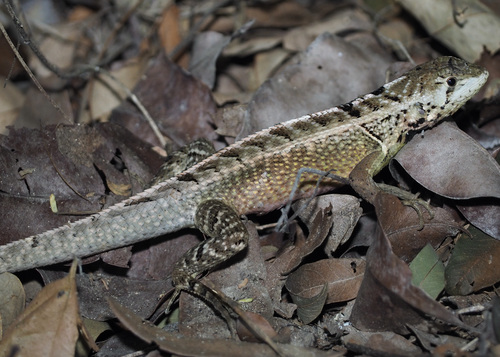


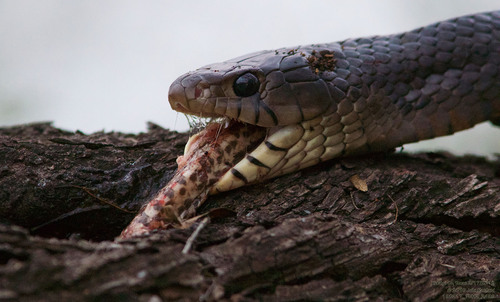

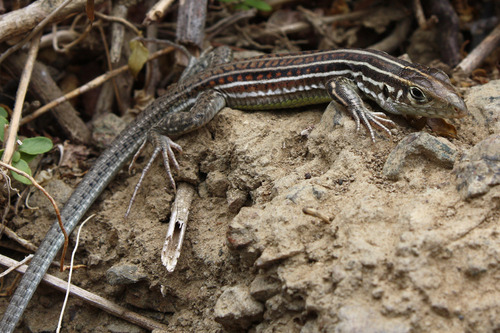
LC
 Bocourt's Ameiva
Medopheos edracanthus
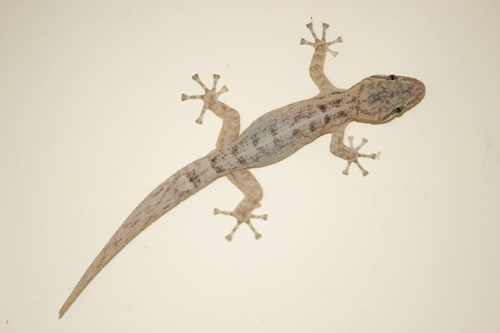
LC
 Peters' Leaf-toed Gecko
Phyllodactylus reissii

 White-lipped Mud Turtle
Kinosternon leucostomum
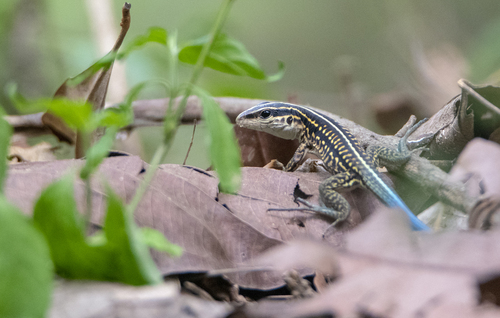
LC
Seven-lined Ameiva
Holcosus septemlineatus
📊 Most Spotted


 American Bullfrog
Lithobates catesbeianus
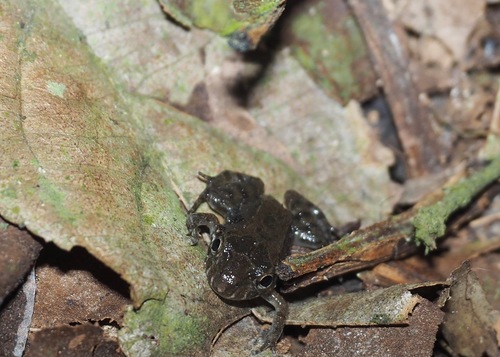
LC
 Pimocha White-lipped Frog
Leptodactylus labrosus
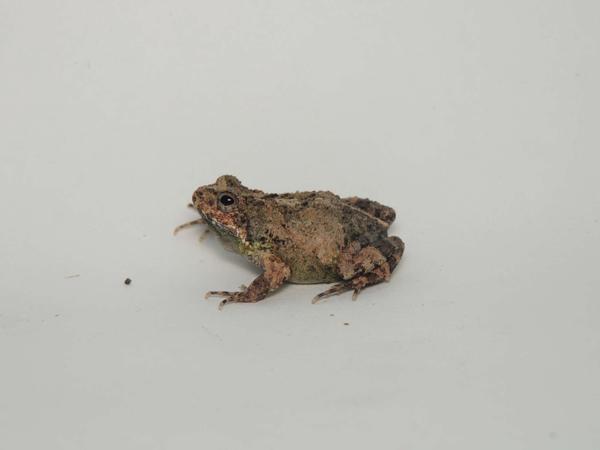
LC
 Guayaquil Dwarf Frog
Engystomops pustulatus

LC
 Masked Tree Frog
Smilisca phaeota
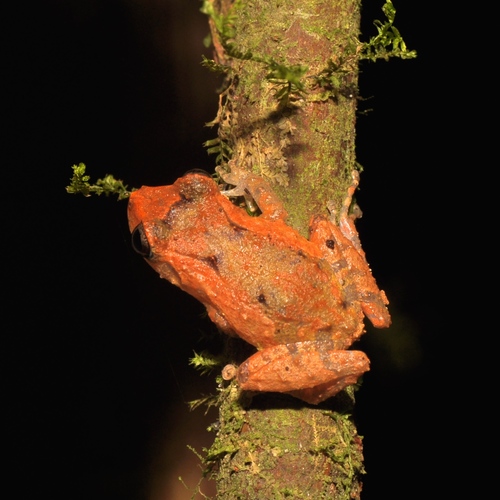
LC Endemic
Warbler Rainfrog
Pristimantis walkeri
📊 Most Spotted
🌙 Most active after dark


LC
Pallas' Free-tailed Bat
Molossus molossus

LC
 Tropical House Gecko
Hemidactylus mabouia

LC
 Common Nighthawk
Chordeiles minor
LC
Masked Tree Frog
Smilisca phaeota
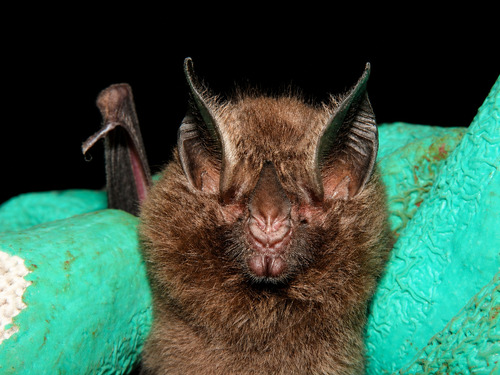
LC
 little big-eared bat
Micronycteris megalotis

LC
 Lesser Nighthawk
Chordeiles acutipennis
Recent sightings in Guayaquil
LIVEiNaturalistWhere to look
Warmer areas are where all species together are recorded most often.
-
Aeropuerto de Guayaquil y alrededores
-
Parque Lineal Kennedy Norte
-
Guayaquil--Malecón del Estero Salado y alrededores (Plaza R. B. Moreno, M. Universitario, Puente Zig-Zag, Parque Lineal, Puente El Velero)
-
Parque de las iguanas
-
Guayaquil--Samanes ANR (senderos sector oeste de la Av. Fco. de Orellana)
Daily sight. prob.vs avg -
Parque Histórico Guayaquil
-
Facultad Ciencias Naturales (Universidad de Guayaquil)
Daily sight. prob.vs avg













Sighting Calendar
How many species you'd see in a day
28Jan
27Feb
27Mar
29Apr
28May
26Jun
24Jul
25Aug
25Sep
26Oct
30Nov
33Dec
🏙️ City
Essentials
Green cover
Low
Protected land
6%
Protected sea
—
Protected areas
2
areasWildlife spots
12
spotsZoos & centres
0
placesClimate
Tropical savanna
World Heritage
No
Climate
Temp °C Rain mm
JanFebMarAprMayJunJulAugSepOctNovDec
0.0 Excellent
Wallace's Line Score
How good is this city for seeing wildlife? 🦜
Biodiversity
Very goodHow rich is the wildlife?
4.5
Species by taxon
🦅 Birds 499
🐒 Mammals 177
🦎 Reptiles 118
🐸 Amphibians 28
822 Total Species
679 Global average across 380 cities
41 Threatened 13 Endemic
🔭
Sighting
Very goodHow likely to see animals?
4.0
🎯
Top-12 Avg Probability
66% 📊
Coverage (114 species at ≥5% of 822 in the inventory)
14% 🔀
Taxon variety in top 12 (10 bird, 2 reptile)
37% 🌟
Iconic-group species (≥15%) (every species from the 19 iconic groups — monkeys, cats, toucans, macaws, sloths, crocodilians… — not just the 4 highlighted above)
4 ⭐
High-prob species (>40%)
16 🏕️
Experience
ExcellentHow easy and pleasant is the visit?
4.2
Climate Pleasant High
Green cover Low Low
Protected land & sea 6% land High
Protected areas 2 Medium
Wildlife spots 12 High
Zoos & centres 0 Low
What visitors say
Before you go
What animals can you see in Guayaquil?
310 species
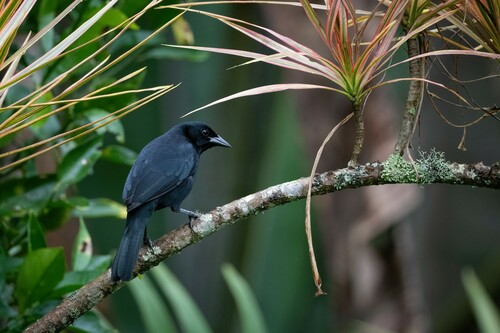
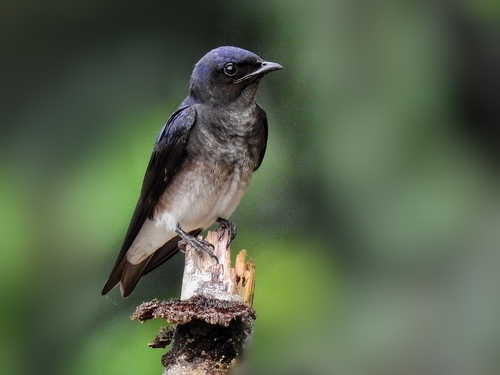
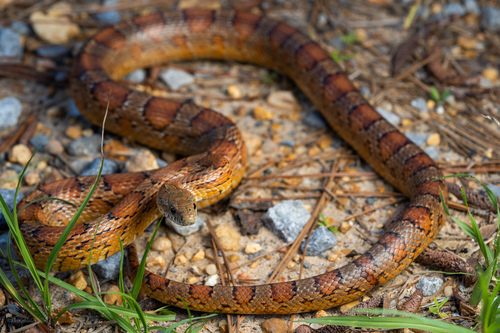
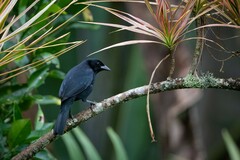
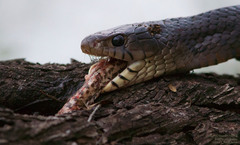
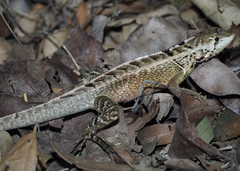
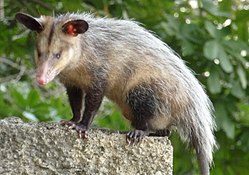
Guayaquil's urban area has 310 recorded vertebrate species. The ones wildlife watchers report most often on a given day are Blue-gray Tanager (about 90%), Green Iguana (about 80%), Tropical Kingbird (about 80%), Scrub Blackbird (about 70%) and Brown Anole (about 70%). Among mammals, the most-seen is Guayaquil Squirrel (about 40%); among amphibians, Jordan's Casque-headed Tree Frog (about 10%).
When is the best time to see wildlife in Guayaquil?
August, October and December–May
In those months the city's 12 most-seen species average about 70% on a given day, against about 60% in June–July, September and November.
Can you see a Scrub Blackbird in Guayaquil?
Yes
About 70% of wildlife watchers report a Scrub Blackbird sighting in Guayaquil on a given day, based on 740 verified sightings from GBIF citizen-science data from 2019 to 2026. The best time is April–May, August and November–February (about 80%).
Can you see an Ecuadorian Ground-Dove in Guayaquil?
Yes
About 60% of wildlife watchers report an Ecuadorian Ground-Dove sighting in Guayaquil on a given day, based on 659 verified sightings from GBIF citizen-science data from 2019 to 2026. The best time is April and August (about 80%).
Can you see a Pale-legged Hornero in Guayaquil?
Yes
About 60% of wildlife watchers report a Pale-legged Hornero sighting in Guayaquil on a given day, based on 594 verified sightings from GBIF citizen-science data from 2019 to 2026. The best time is May–June, August and October–December (about 70%).
Where in Guayaquil is wildlife easiest to see?
Aeropuerto de Guayaquil y alrededores
The spot where most wildlife watchers record their sightings is Aeropuerto de Guayaquil y alrededores (78 bird species recorded), followed by Parque Lineal Kennedy Norte and Malecon 2000. See them on the map.
Is Guayaquil good for wildlife watching?
4.1 out of 5
On the Wallace's Line Score, which rates each city against other cities, Guayaquil gets 4.1/5: 194th of 380 cities worldwide and 33rd in South America. 26 of its species are reported by about 40% or more of wildlife watchers on a given day.


Nearest Parks


Nearest Zoos & Centres


Sources: urban area GHSL Urban Centre Database R2024A, European Commission JRC (CC BY 4.0) · protected land WDPA, UNEP-WCMC & IUCN (via GHSL) · climate NASA POWER · wildlife GBIF.org citizen-science data