Podocarpus National Park
🇪🇨 Ecuador
Southern Andes, Ecuador 1523 spp. recorded
Podocarpus National Park is a rugged tropical rainforest sanctuary in the Southern Andes of Ecuador, spanning steep mountain slopes and dense jungle valleys. Dense cloud forests and high Andean vegetation cloak the park, traversed by steep dirt trails through thick fern-choked undergrowth. This protected area is famous for shielding rare Andean wildlife, including the signature Marañón white-fronted capuchin that forages through the upper forest canopy during morning hours.
-4.370° S 78.933° W
🦜 Nature

663 Species sighted
56,720 Verified sightings From 2019 to 2026
Jan Best month
⭐ Iconic Species


📊 Most Spotted




⭐ Iconic Species
📊 Most Spotted


⭐ Iconic Species
📊 Most Spotted

📊 Most Spotted





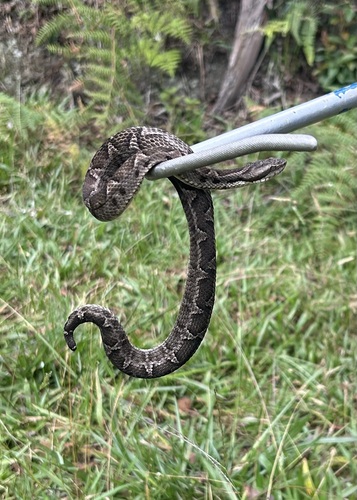
📊 Most Spotted


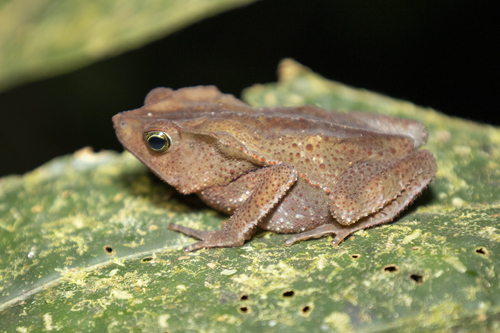
📊 Most Spotted

+ 546 more species with insufficient data
Recent sightings in Podocarpus National Park
LIVEiNaturalistSighting Calendar
How many species you'd see in a day
53Jan
42Feb
45Mar
42Apr
47May
37Jun
40Jul
42Aug
42Sep
42Oct
50Nov
51Dec
Sighting Zones
Warmer areas are where all species together are recorded most often.
-
Mirador
Daily sight. prob.vs avg Great Thrush>90%+60%
 Lyman's Robber Frog~80%+40%
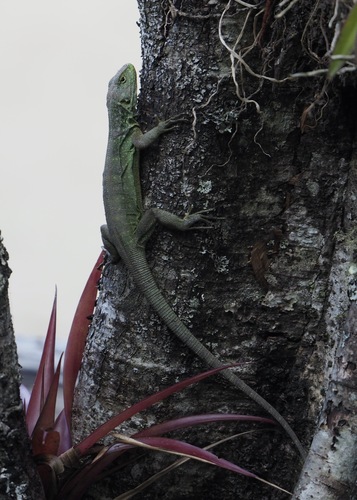
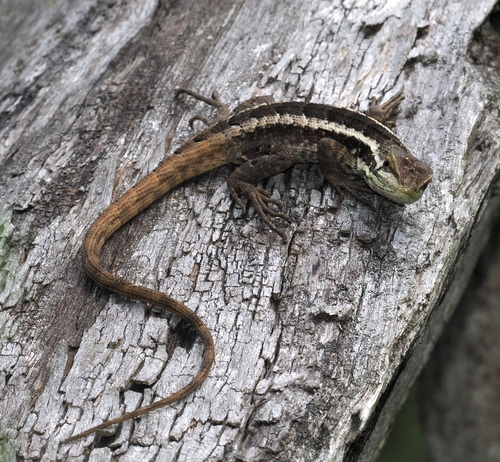
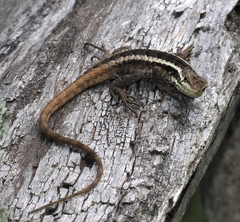
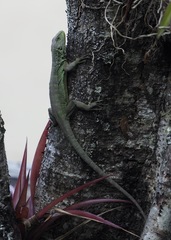 Patterned Whorltail Iguana~70%+40%
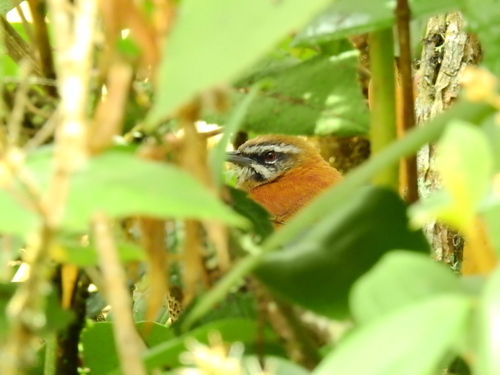
 Yellow-breasted Brush-Finch~70%+30%
 Bearded Guan~70%+30%
 Cajamarca Robber Frog~70%+40%
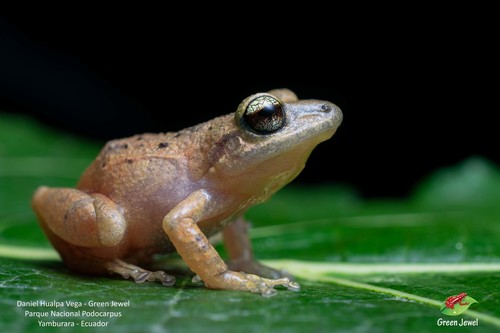
- Loja Rainfrog~40%+20%
 Band-tailed Pigeon~30%-10%
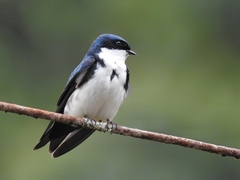 Blue-and-white Swallow~30%+10%
 Collared Inca~30%-10%
 Amethyst-throated Sunangel~30%-10%
 Chestnut-breasted Coronet~30%-10%
-
Reserva Tapichalaca y Casa Simpson
-
Sector Cajanuma




🏕️ Experience
Essentials
Entrance
Free
Tourism
Low
Typical stay
1–2
daysTrails
Hard
World Heritage
No
Climate
Temp °C Rain mm
JanFebMarAprMayJunJulAugSepOctNovDec
0.0 Moderate
Wallace's Line Score
How good is this park for seeing wildlife? 🦜
Biodiversity
ExcellentHow rich is the wildlife?
5.0
Species by taxon
🦅 Birds 1030
🐒 Mammals 269
🦎 Reptiles 147
🐸 Amphibians 77
1523 Total Species
828 Global average across 316 parks
76 Threatened 83 Endemic
🔭
Sighting
GoodHow likely to see animals?
2.1
🎯
Top-12 Avg Probability
41% 📊
Coverage (268 species at ≥5% of 1523 in the inventory)
18% 🔀
Taxon variety in top 12 (11 bird, 1 amphibian)
20% 🔭
Species per 10 outings (distinct species a visitor would meet over 10 outings — effort held equal across parks)
187 🌟
Iconic-group species (≥15%) (every species from the 19 iconic groups — monkeys, cats, toucans, macaws, sloths, crocodilians… — not just the 4 highlighted above)
6 ⭐
High-prob species (>40%)
8 🏕️
Experience
GoodHow easy and pleasant is the visit?
3.1
Climate Harsh Low
Entrance Free High
Tourism Medium Medium
Trails Hard Low
World Heritage No —
What visitors say
We were lucky enough to see the Blackish Nightjar and Band-bellied Owl, which made for more unforgettable moments.
We also had fantastic views of an Andean Motmot and a lively mixed species flock contained a nice Spotted Tanager for us to look at.
Sometimes you might even see a mountain tapir (although we weren't lucky enough to see them). 560 birds also nest or migrate through the park and approximately 6% of the world's species can be found in the park while 40% of Ecuador's list of species can be seen within the park's terrain.
Like most visitors to Zamora — a former mining hub on the edge of the Amazon, now known as the gateway to Podocarpus National Park — I had come to the town only to pass through.
Before you go
What animals can you see in Podocarpus National Park?
1,523 species
Podocarpus National Park has 1,523 recorded vertebrate species. The ones wildlife watchers report most often on a given day are Collared Inca (about 40%), Lacrimose Mountain-Tanager (about 40%), Amethyst-throated Sunangel (about 40%), Great Thrush (about 40%) and Masked Flowerpiercer (about 40%). Among mammals, the most-seen is South American Coati (about 30%); among reptiles, Patterned Whorltail Iguana (about 30%); among amphibians, Lyman's Robber Frog (about 40%).
When is the best time to visit Podocarpus National Park for wildlife?
March
In that month the park's 12 most-seen species average about 50% on a given day, against about 30% in July and September.
Can you see an Andean Bear in Podocarpus National Park?
With luck
About 10% of wildlife watchers report an Andean Bear sighting in Podocarpus National Park on a given day, based on 7 verified sightings from GBIF citizen-science data from 2019 to 2026. The best time is May (about 30%). Sightings take luck and time in the field.
Can you see a Collared Inca in Podocarpus National Park?
Yes
About 40% of wildlife watchers report a Collared Inca sighting in Podocarpus National Park on a given day, based on 918 verified sightings from GBIF citizen-science data from 2019 to 2026. The best time is March, May, October and December–January (about 50%).
Can you see a Bearded Guan in Podocarpus National Park?
Yes
About 40% of wildlife watchers report a Bearded Guan sighting in Podocarpus National Park on a given day, based on 666 verified sightings from GBIF citizen-science data from 2019 to 2026. The best time is October (about 50%).
Where in Podocarpus National Park is wildlife easiest to see?
Around Mirador
The richest sighting zone is around Mirador, followed by Reserva Tapichalaca y Casa Simpson and Sector Cajanuma, ranked by how many of the park's headline animals visitors can expect to see in each. See the zones on the map.
Is Podocarpus National Park good for wildlife watching?
3.0 out of 5
On the Wallace's Line Score, Podocarpus National Park rates 3.0/5: 283rd of 316 parks worldwide and 32nd in South America. 12 of its species are reported by about 40% or more of wildlife watchers on a given day.


