The Sorcerer

The Sorcerer

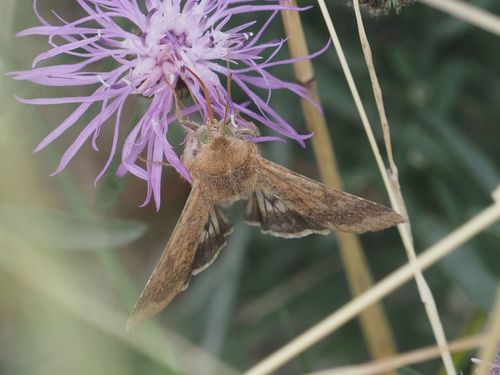
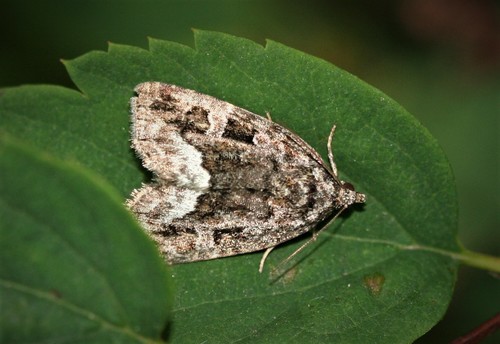
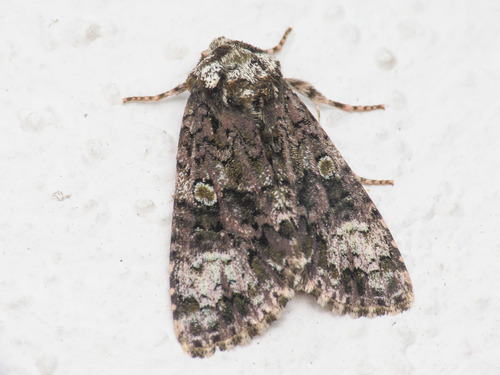
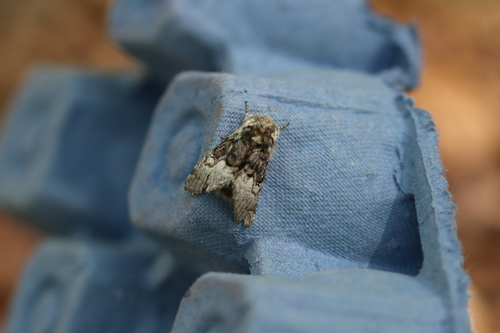
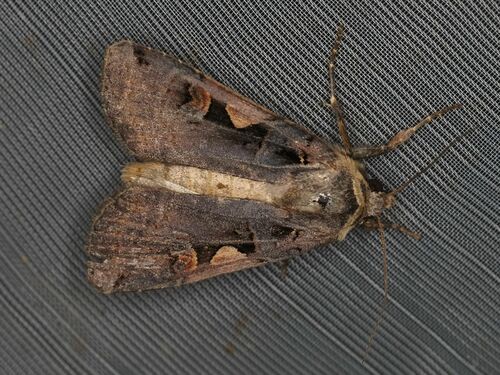
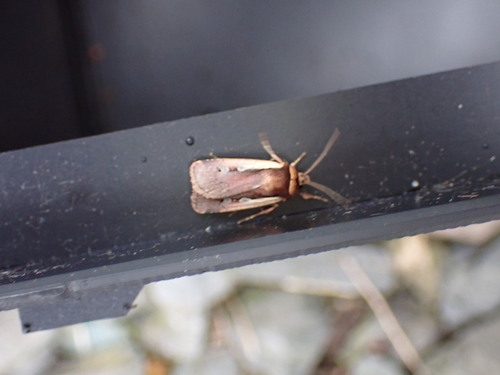
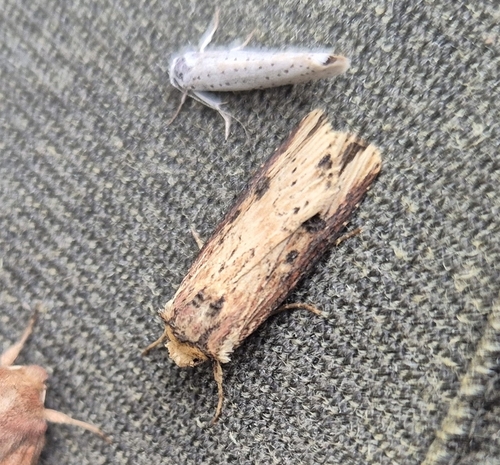
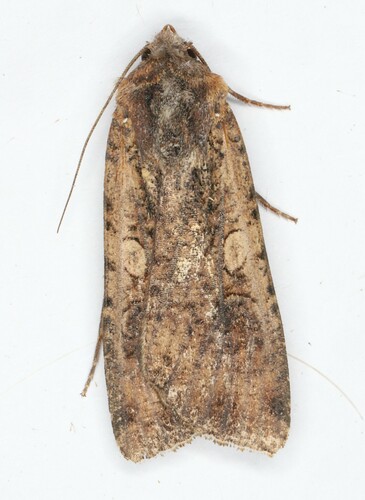
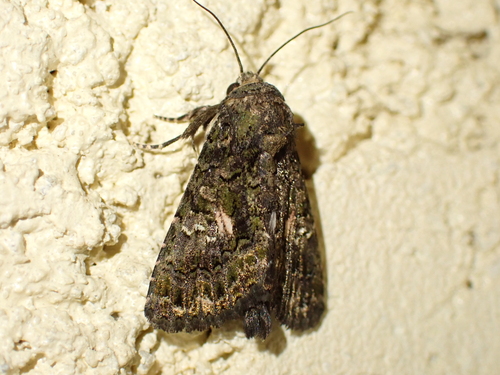
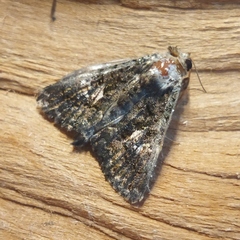
Aedia leucomelas

Daily sighting probability <5% · Rare
at Pyrénées National Park

In 3 days ~10% in a week ~20%

8 Verified sightings at Pyrénées National Park From 2019 to 2026
38 In all 3 parks
August Best month
🌙 Nocturnal When it's spotted

About the The Sorcerer

Aedia leucomelas, the eastern alchymist, sweet potato leaf worm or sorcerer, is a moth of the family Noctuidae. It is found in large parts of the world, ranging from Europe all over Asia up to Japan and some African countries. The subspecies Aedia leucomelas acronyctoides is found in Australia.

The wingspan is about 38 millimetres (1.5 in). Antennae of male almost simple. Forelegs of male lack scaly tufts and long fringes. Body fuscous. Thorax and forewings suffused with olive or white. Forewings with indistinct sub-basal and waved antemedial lines. There are traces of orbicular, reniform, and claviform spots. A postmedial double waved line slightly excurved beyond cell. Traces of an irregular sub-marginal lines present, along with a marginal black specks series. Hindwings pure white, where the inner margin fuscous suffused. Outer half of wings black with white patches at apex and anal angle. Ventral side of forewings with basal two thirds white, with spot at end of cell.

The moth flies from June to September depending on the location. The larvae mainly feed on Convolvulus species, including C. sepium, C. erubescens and C. arvensis, but also on Ipomoea pes-caprae,... Wikipedia →
Global Distribution

Parks Where Found

# Park Country Daily sighting probability
1 Daintree National Park 🇦🇺 Australia
~10%
2 Blue Mountains National Park 🇦🇺 Australia
<5%
3 Pyrénées National Park 🇫🇷 France
<5%

Cities Where Found

# City Country Daily sighting probability
1 Porto 🇵🇹 Portugal
~10%
2 Turin 🇮🇹 Italy
~10%
3 Lyon 🇫🇷 France
<5%
4 Tokyo 🇯🇵 Japan
<5%
5 Melbourne 🇦🇺 Australia
<5%

Before you go

What are the chances of seeing a The Sorcerer in Pyrénées National Park?

Rare

Under 5% of wildlife watchers report a The Sorcerer sighting in Pyrénées National Park on a given day, based on 8 verified sightings from GBIF citizen-science data from 2019 to 2026. It is the 869th most-seen of the 1277 insects we can rate there. Over three days the chance rises to about 10%, and over a week to about 20%, if each day is a fresh chance.

When is the best time to see a The Sorcerer in Pyrénées National Park?

August and October

In those months about 10% of wildlife watchers report a The Sorcerer in Pyrénées National Park on a given day, against under 5% in September and November–July, the lowest months.

What time of day is best to see a The Sorcerer?

Between 7 and 10 pm

Across all the parks we cover, that three-hour window holds the most The Sorcerer sightings with a recorded time, and about 7 in 10 of them come between 6 pm and 6 am: it is mostly seen at night.

Is Pyrénées National Park the best place to see a The Sorcerer?

3rd of 3

Of the 3 parks where we can rate The Sorcerer sightings, Pyrénées National Park ranks 3rd at under 5%. The best odds are in Daintree National Park (Australia, about 10%) and Blue Mountains National Park (Australia, under 5%).

Which relatives of the The Sorcerer live in Pyrénées National Park?

Same family: Noctuidae

The closest relatives of the The Sorcerer that you can see in Pyrénées National Park (family Noctuidae, Cutworm Moths and Allies) are Silver Υ (about 10%), Cotton Bollworm Moth (about 10%) and Marbled White-Spot (about 10%), with each one's daily chance of a sighting.

Where does the The Sorcerer sighting chance come from?

GBIF citizen-science records

It is estimated from how often the The Sorcerer is recorded against all the insects logged in Pyrénées National Park (8 verified sightings from 2019 to 2026), calibrated against known sighting rates. Figures are rounded to the nearest 10% because citizen-science data supports honest approximations, not decimals, and months with records from fewer than five people show "—". How it works.

← Back to Pyrénées National Park