Madagascar Pond Heron

Madagascar Pond Heron

Ardeola idae

Silhouette: Andy Wilson · PhyloPic

LCNTVUENEndangeredCR
Daily sighting probability <5% · Rare
at Ranomafana National Park

In 3 days ~10%

15 Verified sightings at Ranomafana National Park From 2019 to 2026
136 In all 8 parks
October Best month
☀️ Diurnal When it's spotted

About the Madagascar Pond Heron

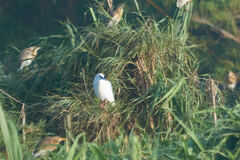
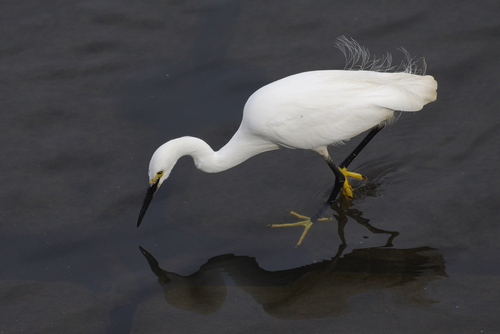
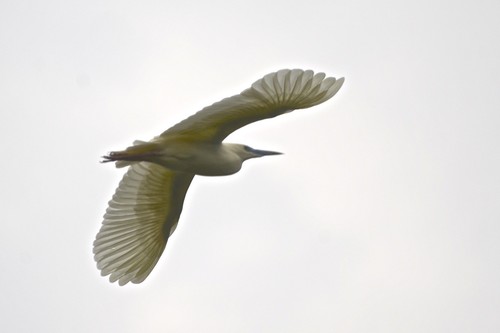
The Malagasy pond heron (Ardeola idae), also known as the Madagascar pond heron or Madagascar squacco heron, is a species of heron of the family Ardeidae. They breed in Madagascar, Réunion and the Seychelles, and spend the non-breeding season in eastern mainland Africa. As of 2021, the population is estimated to number between 1,000 – 2,500 adults and the species is considered endangered.

The Malagasy pond heron was first described in 1860 by German physician and ornithologist Gustav Hartlaub. The species is monotypic, without distinct subspecies. Malagasy pond herons grow to 45–50 cm (18–20 in) in height and anywhere from 250–350 g (9–12 oz) in weight. There is not a large variation in weight between the sexes as they are quite similar in bone body structure. feather, eye, and bill colour are determined by life stage (chick, juvenile, and adult) and reproductive status.

The adults appearance can be split into the non-breeding plumage and the breeding stage. When the species is not breeding, the crown and the posterior are a colour mixture of buff and black with brown prominent over the other parts of the body. The bill is predominately green with a... Wikipedia →
Global Distribution

Parks Where Found

# Park Country Daily sighting probability
1 Ankarafantsika National Park 🇲🇬 Madagascar
~10%
2 Mikumi National Park 🇹🇿 Tanzania
~10%
3 Berenty Reserve 🇲🇬 Madagascar
<5%
4 Arusha National Park 🇹🇿 Tanzania
<5%
5 Ranomafana National Park 🇲🇬 Madagascar
<5%
6 Mantadia National Park 🇲🇬 Madagascar
<5%
7 Nairobi National Park 🇰🇪 Kenya
<5%
8 Amboseli National Park 🇰🇪 Kenya
<5%

Cities Where Found

# City Country Daily sighting probability
1 Antananarivo 🇲🇬 Madagascar
~50%
2 Mombasa 🇰🇪 Kenya
~30%

Zoos & Centres Where Found

# Zoo / Centre Country
1 Walsrode World Bird Park 🇩🇪 Germany In captivity
2 Botanical and Zoological Garden of Tsimbazaza 🇲🇬 Madagascar In captivity

Before you go

What are the chances of seeing a Madagascar Pond Heron in Ranomafana National Park?

Rare

Under 5% of wildlife watchers report a Madagascar Pond Heron sighting in Ranomafana National Park on a given day, based on 15 verified sightings from GBIF citizen-science data from 2019 to 2026. It is the 88th most-seen of the 102 birds we can rate there. Over three days the chance rises to about 10%, if each day is a fresh chance.

When is the best time to see a Madagascar Pond Heron in Ranomafana National Park?

July and October

In those months about 10% of wildlife watchers report a Madagascar Pond Heron in Ranomafana National Park on a given day, against under 5% in February–May, August–September and November–December, the lowest months. Those are among Ranomafana National Park's driest months, with about 120 mm of rain a month against 450 mm in January. January and June have too few records to rate.

What time of day is best to see a Madagascar Pond Heron?

Between 3 and 6 pm

Across all the parks we cover, that three-hour window holds the most Madagascar Pond Heron sightings with a recorded time, and about 8 in 10 of them come between 6 am and 6 pm: it is a daytime animal.

Is Ranomafana National Park the best place to see a Madagascar Pond Heron?

5th of 8

Of the 8 parks where we can rate Madagascar Pond Heron sightings, Ranomafana National Park ranks 5th at under 5%. The best odds are in Ankarafantsika National Park (Madagascar, about 10%), Mikumi National Park (Tanzania, about 10%) and Berenty Reserve (Madagascar, under 5%).

Where does the Madagascar Pond Heron sighting chance come from?

GBIF citizen-science records

It is estimated from how often the Madagascar Pond Heron is recorded against all the birds logged in Ranomafana National Park (15 verified sightings from 2019 to 2026), calibrated against known sighting rates. Figures are rounded to the nearest 10% because citizen-science data supports honest approximations, not decimals, and months with records from fewer than five people show "—". How it works.

← Back to Ranomafana National Park