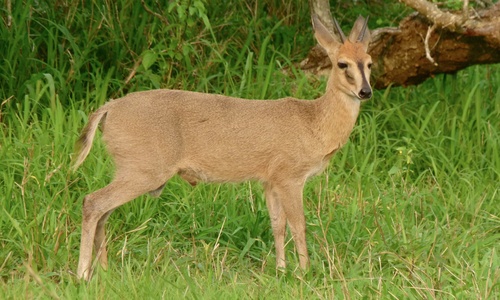
Arusha National Park
🇹🇿 Tanzania
East Africa, Tanzania 1282 spp. recorded
Arusha National Park is a protected area in northeastern Tanzania, featuring lush montane forests, open grasslands, and tranquil crater lakes. This compact reserve stands apart from larger parks through its steep volcanic terrain and dense wooded canopies, where hikers traverse emerald trails beneath towering ash cones.
-3.250° S 36.773° E
🦜 Nature

570 Species sighted
36,583 Verified sightings From 2019 to 2026
Nov Best month
⭐ Iconic Species


📊 Most Spotted


⭐ Iconic Species
📊 Most Spotted


📊 Most Spotted


⭐ Iconic Species
📊 Most Spotted


📊 Most Spotted
🌙 Most active after dark


+ 896 more species with insufficient data
Recent sightings in Arusha National Park
LIVEiNaturalistSighting Calendar
How many species you'd see in a day
61Jan
62Feb
72Mar
71Apr
51May
53Jun
56Jul
57Aug
60Sep
60Oct
75Nov
67Dec
Sighting Zones
Warmer areas are where all species together are recorded most often.
-
Big and Small Momela Lakes
-
3.263° S, 36.843° E
Daily sight. prob.vs avg -
Ngongonare Gate
Daily sight. prob.vs avg -
Ngurdoto Crater
Daily sight. prob.vs avg






🏕️ Experience
Essentials
Entrance
Paid
Tourism
Medium
Typical stay
1–2
daysTrails
Hard
World Heritage
No
Climate
Temp °C Rain mm
JanFebMarAprMayJunJulAugSepOctNovDec
0.0 World-class
Wallace's Line Score
How good is this park for seeing wildlife? 🦜
Biodiversity
Very goodHow rich is the wildlife?
4.3
Species by taxon
🦅 Birds 860
🐒 Mammals 230
🦎 Reptiles 150
🐸 Amphibians 42
1282 Total Species
828 Global average across 316 parks
40 Threatened 27 Endemic
🔭
Sighting
ExcellentHow likely to see animals?
5.0
🎯
Top-12 Avg Probability
73% 📊
Coverage (266 species at ≥5% of 1282 in the inventory)
21% 🔀
Taxon variety in top 12 (7 mammal, 5 bird)
65% 🔭
Species per 10 outings (distinct species a visitor would meet over 10 outings — effort held equal across parks)
214 🌟
Iconic-group species (≥15%) (every species from the 19 iconic groups — monkeys, cats, toucans, macaws, sloths, crocodilians… — not just the 4 highlighted above)
26 ⭐
High-prob species (>40%)
49 🏕️
Experience
GoodHow easy and pleasant is the visit?
2.9
Climate Harsh Low
Entrance Paid Low
Tourism Medium Medium
Trails Hard Low
World Heritage No —
What visitors say
We passed by more grassland and observed herds of zebra, waterbuck, and buffalo.
She was hooked when we saw our first distant tableau of giraffes, impalas, wildebeests and zebras.
Afterward, we continued birding along the lake edge and observed several Little Grebes, Southern Pochards, and a few species of Sandpipers.
To my readers it might sound like that Arusha National Park was a bit of an anti-climax after the wonders of the Serengeti and Ngorongoro, but actually we found that its low-key, quiet atmosphere was the perfect way to end our trip.
Before you go
What animals can you see in Arusha National Park?
1,282 species
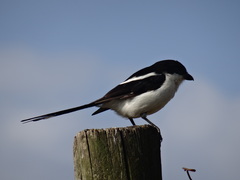
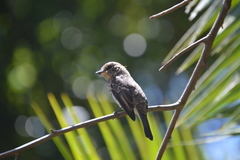
Arusha National Park has 1,282 recorded vertebrate species. The ones wildlife watchers report most often on a given day are Blue Monkey (about 80%), Olive Baboon (about 80%), Mount Kilimanjaro Guereza (about 80%), East African Giraffe (about 80%) and Waterbuck (about 80%). Among birds, the most-seen is Common Bulbul (about 70%); among reptiles, Kilimanjaro two-horned chamaeleon (about 60%); among amphibians, Common Reed Frog (about 20%).
When is the best time to visit Arusha National Park for wildlife?
February and November
In those months the park's 12 most-seen species average about 80% on a given day, against about 60% in May.
Can you see a Mount Kilimanjaro Guereza in Arusha National Park?
Yes
About 80% of wildlife watchers report a Mount Kilimanjaro Guereza sighting in Arusha National Park on a given day, based on 130 verified sightings from GBIF citizen-science data from 2019 to 2026. The best time is September (about 90%).
Can you see a Blue Monkey in Arusha National Park?
Yes
About 80% of wildlife watchers report a Blue Monkey sighting in Arusha National Park on a given day, based on 143 verified sightings from GBIF citizen-science data from 2019 to 2026. The best time is July to September (about 90%).
Can you see an East African Giraffe in Arusha National Park?
Yes
About 80% of wildlife watchers report an East African Giraffe sighting in Arusha National Park on a given day, based on 193 verified sightings from GBIF citizen-science data from 2019 to 2026. The best time is January–March, June–July and September–November (about 80%).
Can you see a Kilimanjaro two-horned chamaeleon in Arusha National Park?
Yes
About 60% of wildlife watchers report a Kilimanjaro two-horned chamaeleon sighting in Arusha National Park on a given day, based on 88 verified sightings from GBIF citizen-science data from 2019 to 2026. The best time is May, July and November (about 70%).
Is Arusha National Park good for wildlife watching?
4.8 out of 5
On the Wallace's Line Score, Arusha National Park rates 4.8/5: 27th of 316 parks worldwide and 19th in Africa. 58 of its species are reported by about 40% or more of wildlife watchers on a given day.