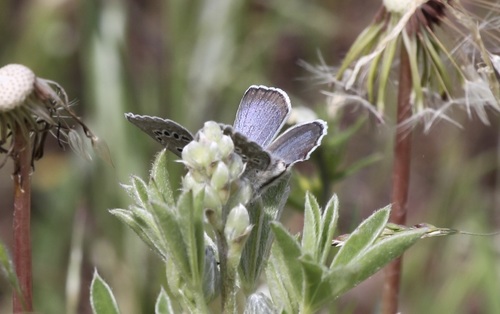
Boisduval's Blue

Boisduval's Blue

Icaricia icarioides

Daily sighting probability ~10% · With luck
at Rocky Mountain National Park

In 3 days ~20% in a week ~40%

23 Verified sightings at Rocky Mountain National Park From 2019 to 2026
350 In all 8 parks
July Best month
☀️ Diurnal When it's spotted

About the Boisduval's Blue

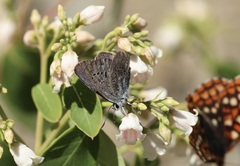
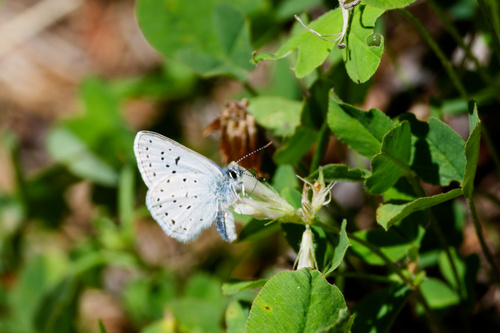
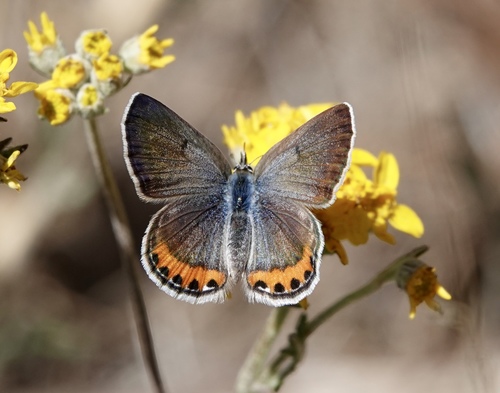
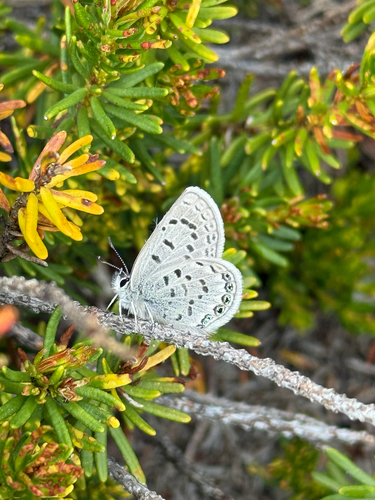
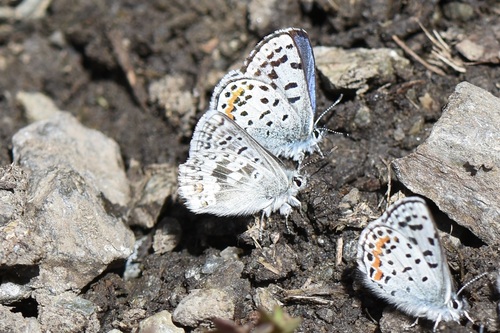
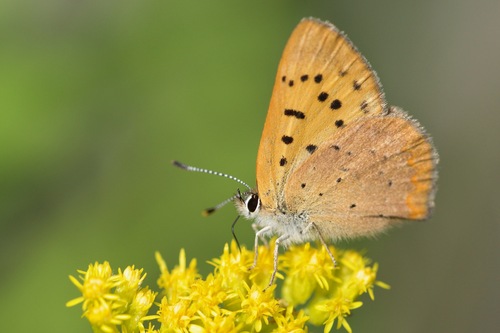
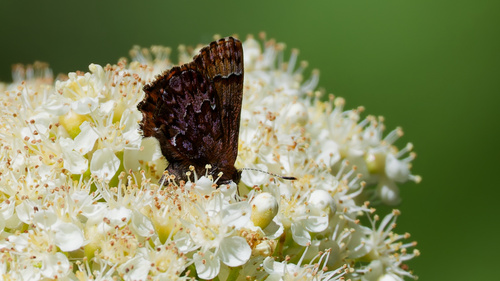
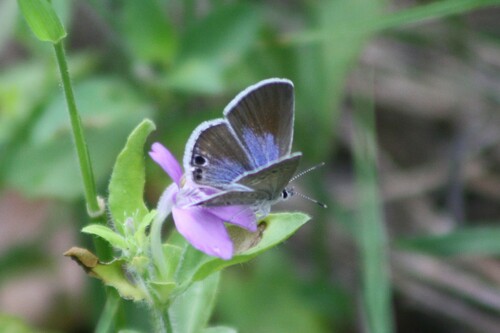
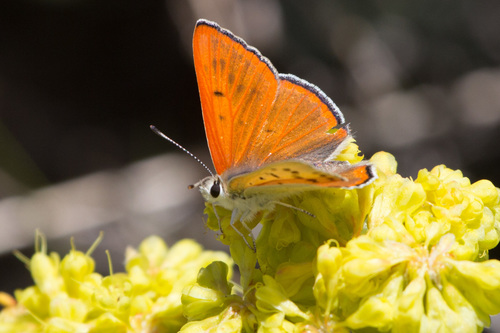
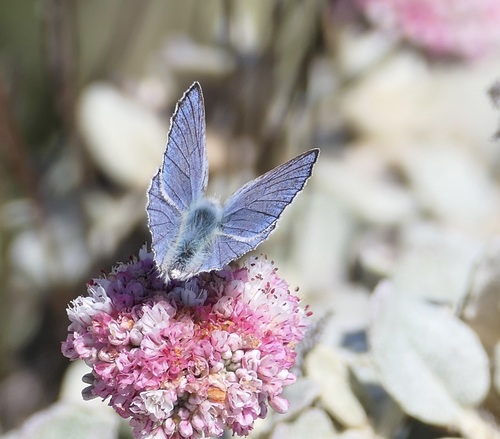
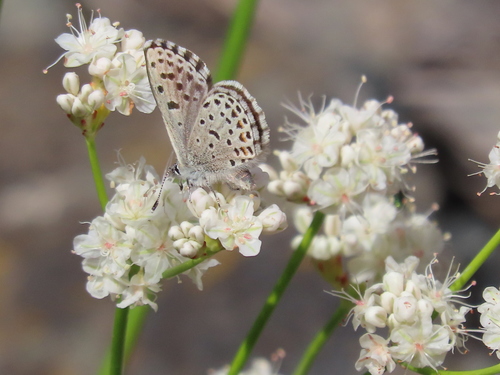
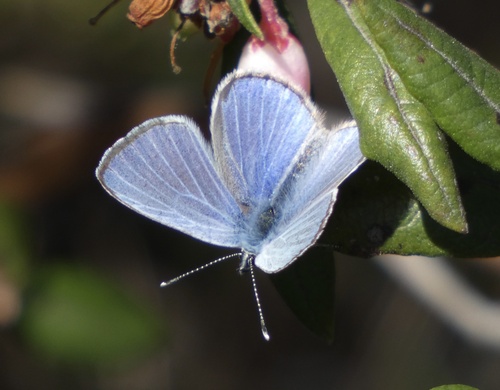
Icaricia icarioides, or Boisduval's blue, is a butterfly of the family Lycaenidae found in North America. This butterfly has 25 recognized subspecies. Their range extends throughout the western US and Canada from southern Saskatchewan to British Columbia. Its habitats include dunes, mountains, meadows, streams, and sage-lands. It is also found in open areas or openings in woods near its larval host.

Larvae feed on species of lupines (Lupinus). Adults feed on nectar from flowers of Eriogonum species and other composites. Wingspan: 21 to 32 mm. Greenish blue (Icaricia saepiolus) Silvery blue (Glaucopsyche lygdamus) Icaricia icarioides albihalos

Icaricia icarioides argusmontana Icaricia icarioides atascadero Icaricia icarioides austinorum Icaricia icarioides blackmorei – Puget blue Icaricia icarioides buchholzi Icaricia icarioides eosierra Icaricia icarioides evius

Icaricia icarioides fenderi – Fender's blue Icaricia icarioides fulla Icaricia icarioides helios Icaricia icarioides icarioides Icaricia icarioides inyo Icaricia icarioides lycea Icaricia icarioides missionensis – Mission blue

Icaricia icarioides montis Icaricia icarioides moroensis Icaricia... Wikipedia →
Global Distribution

Parks Where Found

# Park Country Daily sighting probability
1 Grand Teton National Park 🇺🇸 United States
~20%
2 Sequoia and Kings Canyon National Parks 🇺🇸 United States
~10%
3 Yellowstone National Park 🇺🇸 United States
~10%
4 Olympic National Park 🇺🇸 United States
~10%
5 Yosemite National Park 🇺🇸 United States
~10%
6 Glacier National Park 🇺🇸 United States
~10%
7 Rocky Mountain National Park 🇺🇸 United States
~10%
8 Grand Canyon National Park 🇺🇸 United States
~10%

Before you go

What are the chances of seeing a Boisduval's Blue in Rocky Mountain National Park?

With luck

About 10% of wildlife watchers report a Boisduval's Blue sighting in Rocky Mountain National Park on a given day, based on 23 verified sightings from GBIF citizen-science data from 2019 to 2026. It is the 72nd most-seen of the 191 insects we can rate there. Over three days the chance rises to about 20%, and over a week to about 40%, if each day is a fresh chance.

When is the best time to see a Boisduval's Blue in Rocky Mountain National Park?

June and July

In those months about 10% of wildlife watchers report a Boisduval's Blue in Rocky Mountain National Park on a given day, against under 5% in August to May, the lowest months.

What time of day is best to see a Boisduval's Blue?

Between noon and 3 pm

Across all the parks we cover, that three-hour window holds the most Boisduval's Blue sightings with a recorded time, and nearly all of them come between 6 am and 6 pm: it is a daytime animal.

Which relatives of the Boisduval's Blue live in Rocky Mountain National Park?

Same genus: Icaricia

The closest relatives of the Boisduval's Blue that you can see in Rocky Mountain National Park (genus Icaricia) are Greenish Blue (about 10%) and Lupine Blue (about 10%), with each one's daily chance of a sighting.

Where does the Boisduval's Blue sighting chance come from?

GBIF citizen-science records

It is estimated from how often the Boisduval's Blue is recorded against all the insects logged in Rocky Mountain National Park (23 verified sightings from 2019 to 2026), calibrated against known sighting rates. Figures are rounded to the nearest 10% because citizen-science data supports honest approximations, not decimals, and months with records from fewer than five people show "—". How it works.

← Back to Rocky Mountain National Park