Dun Skipper

Dun Skipper

Euphyes vestris

Daily sighting probability ~10% · With luck
at Shenandoah National Park

In 3 days ~20% in a week ~30%

10 Verified sightings at Shenandoah National Park From 2019 to 2026
119 In all 6 parks
July Best month
☀️ Diurnal When it's spotted

About the Dun Skipper

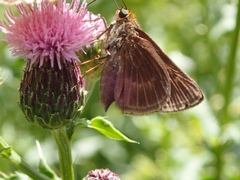
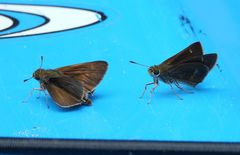
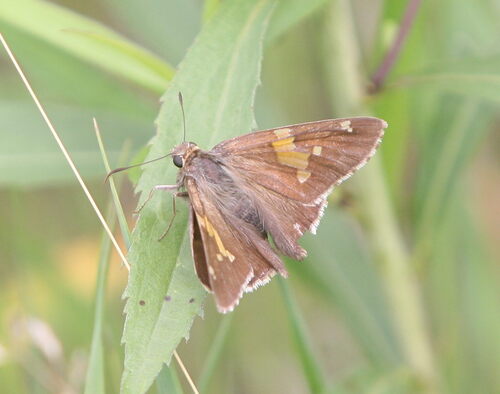
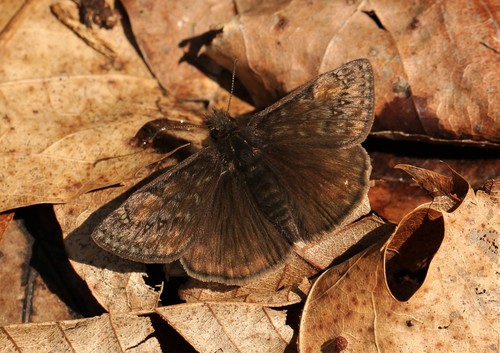
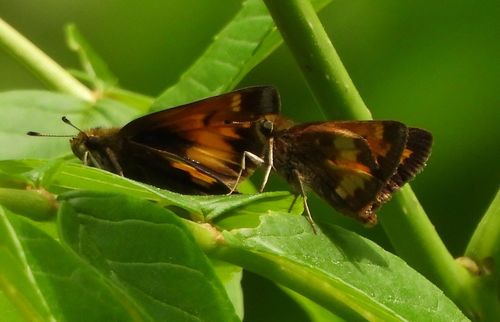
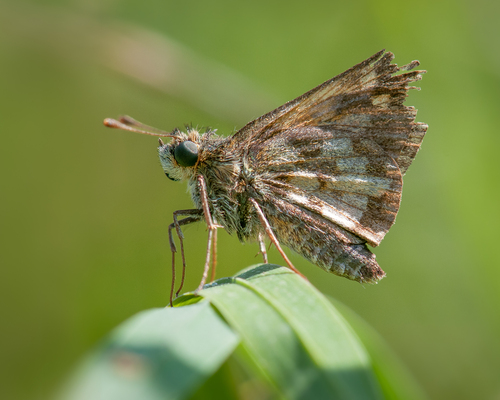
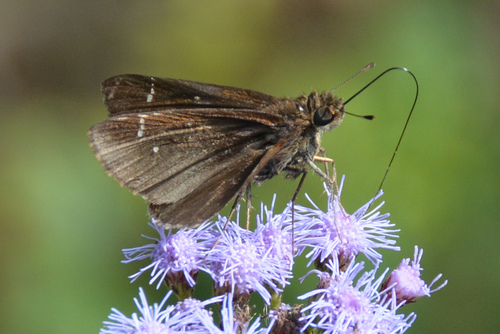
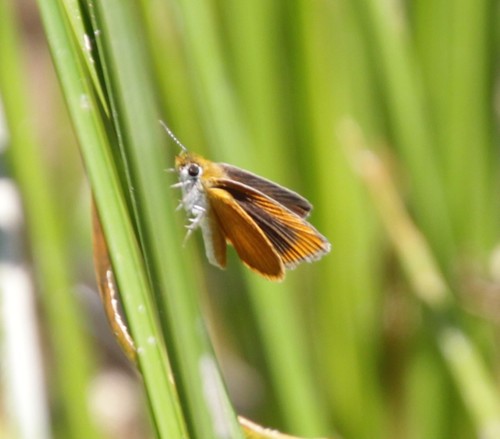
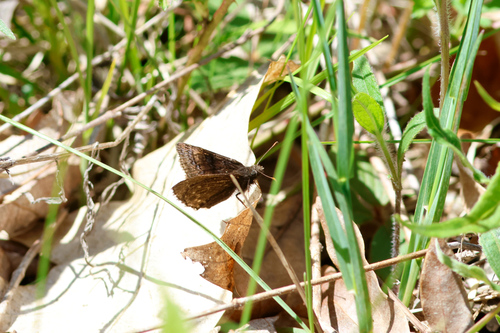
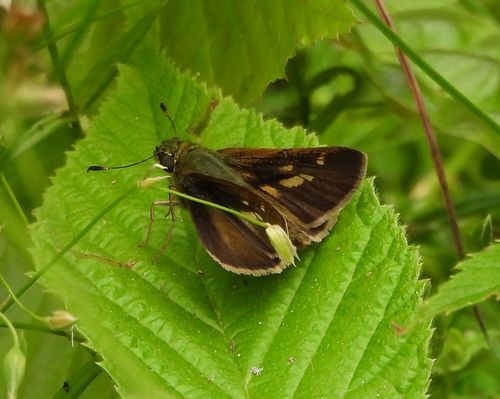
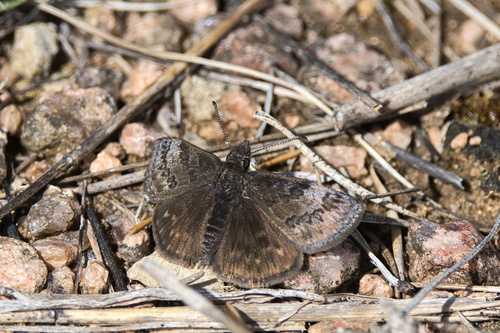
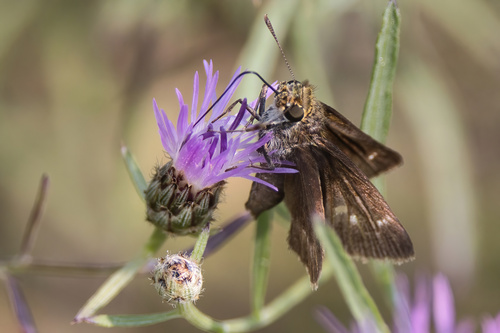
Euphyes vestris, commonly referred to as the dun skipper, is a butterfly belonging to the Hesperiidae family. It appears as a brown, medium-sized butterfly found across the United States and southern Canada. Euphyes vestris inhabits multiple environments, including open fields, oak woodlands, and riparian wetlands. There are currently four recorded subspecies of Euphyes vestris, three of which have been identified across eatern, western, and mountainous regions of North America. The fourth subspecies, Euphyes vestris harbisoni, known as the Harbison's dun skipper is geographically restricted to southern California and northern Mexico.

The dun skipper, Euphyes vestris, is categorized within the genus Euphyes, a known group of ten closely related skippers found in North America. Species belonging to this genus live in environments with high humidity, such as swampy habitats, and occur in small populations. Across its subspecies it has been recognized that E. vestris relies on sedges, which are plants in the family Cyperaceae, as host plants for its larval development.

Euphyes vestris belongs to the... Wikipedia →
Global Distribution

Parks Where Found

# Park Country Daily sighting probability
1 Congaree National Park 🇺🇸 United States
~20%
2 Acadia National Park 🇺🇸 United States
~10%
3 Zion National Park 🇺🇸 United States
~10%
4 Point Pelee National Park 🇨🇦 Canada
~10%
5 Shenandoah National Park 🇺🇸 United States
~10%
6 Great Smoky Mountains National Park 🇺🇸 United States
~10%

Cities Where Found

# City Country Daily sighting probability
1 Toronto 🇨🇦 Canada
~10%
2 San Antonio 🇺🇸 United States
~10%
3 Baltimore 🇺🇸 United States
<5%
4 Austin 🇺🇸 United States
<5%
5 Philadelphia 🇺🇸 United States
<5%
6 Boston 🇺🇸 United States
<5%
7 Houston 🇺🇸 United States
<5%
8 Washington 🇺🇸 United States
<5%
9 New York City 🇺🇸 United States
<5%
10 Montreal 🇨🇦 Canada
<5%

Before you go

What are the chances of seeing a Dun Skipper in Shenandoah National Park?

With luck

About 10% of wildlife watchers report a Dun Skipper sighting in Shenandoah National Park on a given day, based on 10 verified sightings from GBIF citizen-science data from 2019 to 2026. It is the 363rd most-seen of the 723 insects we can rate there. Over three days the chance rises to about 20%, and over a week to about 30%, if each day is a fresh chance.

When is the best time to see a Dun Skipper in Shenandoah National Park?

July and September

In those months about 10% of wildlife watchers report a Dun Skipper in Shenandoah National Park on a given day, against under 5% in August and October–June, the lowest months.

What time of day is best to see a Dun Skipper?

Between 10 am and 1 pm

Across all the parks we cover, that three-hour window holds the most Dun Skipper sightings with a recorded time, and nearly all of them come between 6 am and 6 pm: it is a daytime animal.

Is Shenandoah National Park the best place to see a Dun Skipper?

5th of 6

Of the 6 parks where we can rate Dun Skipper sightings, Shenandoah National Park ranks 5th at about 10%. The best odds are in Congaree National Park (United States, about 20%), Acadia National Park (United States, about 10%) and Zion National Park (United States, about 10%).

Which relatives of the Dun Skipper live in Shenandoah National Park?

Same family: Hesperiidae

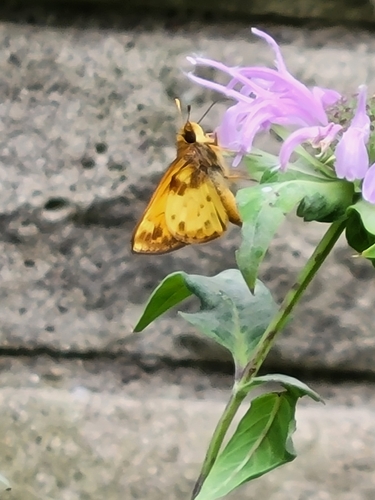
The closest relatives of the Dun Skipper that you can see in Shenandoah National Park (family Hesperiidae, Skippers) are Silver-Spotted Skipper (about 40%), Zabulon Skipper (about 20%) and Juvenal's Duskywing (about 10%), with each one's daily chance of a sighting.

Where does the Dun Skipper sighting chance come from?

GBIF citizen-science records

It is estimated from how often the Dun Skipper is recorded against all the insects logged in Shenandoah National Park (10 verified sightings from 2019 to 2026), calibrated against known sighting rates. Figures are rounded to the nearest 10% because citizen-science data supports honest approximations, not decimals, and months with records from fewer than five people show "—". How it works.

← Back to Shenandoah National Park