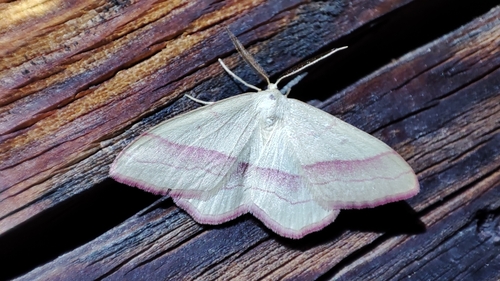
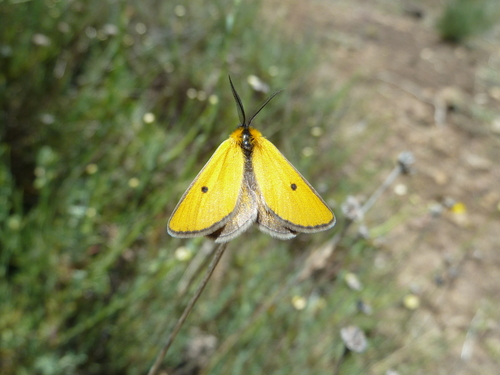
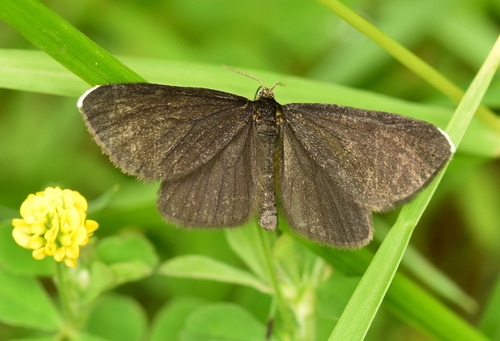
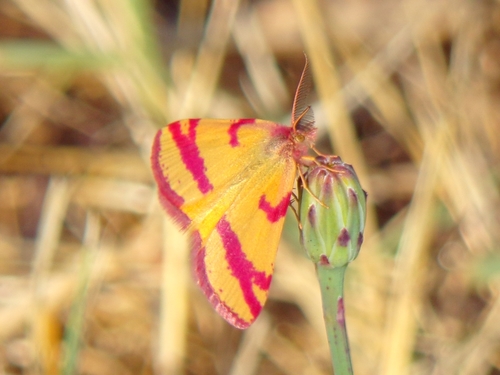
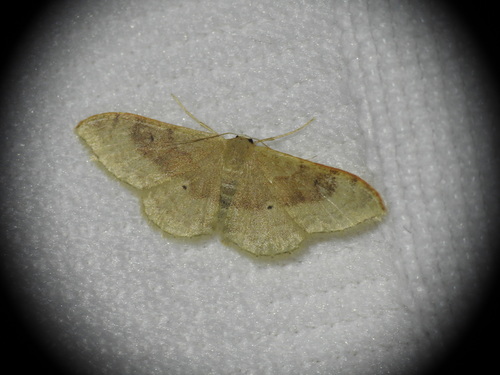
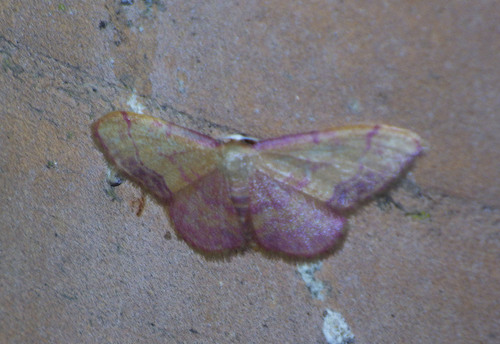
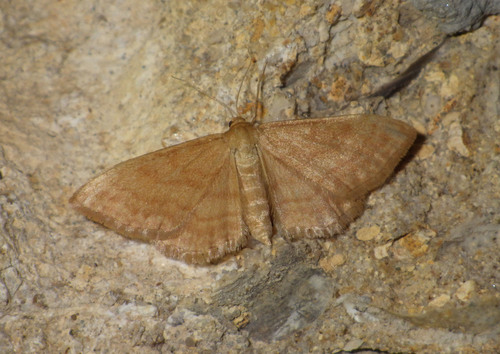
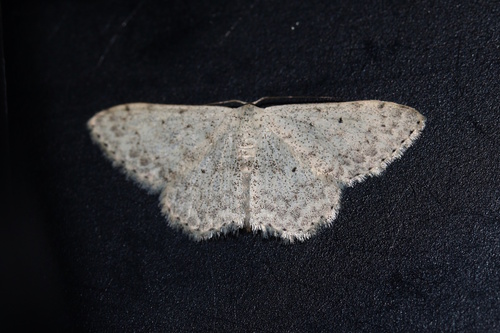
Rhodostrophia calabra

Rhodostrophia calabra

Rhodostrophia calabra

Daily sighting probability ~10% · With luck
at Sierra de Guadarrama National Park

In 3 days ~10% in a week ~30%

12 Verified sightings at Sierra de Guadarrama National Park From 2019 to 2026
82 In all 4 parks
June Best month
🌅 Crepuscular When it's spotted

About the Rhodostrophia calabra

Rhodostrophia calabra is a moth of the family Geometridae first described by Vincenzo Petagna in 1786. It is found from the Iberian Peninsula and a small isolated population in Morocco, through southern France, the western and southern Alps, Italy, the eastern coast of the Adriatic Sea to the southern parts of the Balkan Peninsula. In central Europe it is only found as an isolated population in central France and Rheinland-Pfalz. It is not found on the islands in the Mediterranean Sea (Corsica, Sardinia, the Balearic Islands, Sicily and Crete). In the Balkans there is an isolated population in the border region of northern Bulgaria and Serbia. Furthermore, it is present on the eastern shores of the Black Sea in Turkey and in the Caucasus.

The wingspan is 28–33 mm for males and 28–35 mm for females. The moths fly in one generation from May to June. The larvae feed on various Fabaceae species, including Cytisus scoparius, Genista (mainly Genista tinctoria), Dorycnium, Scabiosa, Rumex, Polygonum, Thymus and Asperula. Wikipedia →

Global Distribution

Parks Where Found

# Park Country Daily sighting probability
1 Cévennes National Park 🇫🇷 France
~10%
2 Sierra Nevada National Park 🇪🇸 Spain
~10%
3 Sierra de Guadarrama National Park 🇪🇸 Spain
~10%
4 Pyrénées National Park 🇫🇷 France
<5%

Before you go

What are the chances of seeing a Rhodostrophia calabra in Sierra de Guadarrama National Park?

With luck

About 10% of wildlife watchers report a Rhodostrophia calabra sighting in Sierra de Guadarrama National Park on a given day, based on 12 verified sightings from GBIF citizen-science data from 2019 to 2026. It is the 281st most-seen of the 597 insects we can rate there. Over three days the chance rises to about 10%, and over a week to about 30%, if each day is a fresh chance.

When is the best time to see a Rhodostrophia calabra in Sierra de Guadarrama National Park?

May and June

In those months about 10% of wildlife watchers report a Rhodostrophia calabra in Sierra de Guadarrama National Park on a given day, against under 5% in July to April, the lowest months.

What time of day is best to see a Rhodostrophia calabra?

Between 6 and 9 am

Across all the parks we cover, that three-hour window holds the most Rhodostrophia calabra sightings with a recorded time, and about half of them come between 6 am and 6 pm: it is most active around dawn and dusk.

Is Sierra de Guadarrama National Park the best place to see a Rhodostrophia calabra?

Among the best

Of the 4 parks where we can rate Rhodostrophia calabra sightings, Sierra de Guadarrama National Park ranks 3rd at about 10%, level with the leaders once rounded. The best odds are in Cévennes National Park (France, about 10%) and Sierra Nevada National Park (Spain, about 10%).

Where does the Rhodostrophia calabra sighting chance come from?

GBIF citizen-science records

It is estimated from how often the Rhodostrophia calabra is recorded against all the insects logged in Sierra de Guadarrama National Park (12 verified sightings from 2019 to 2026), calibrated against known sighting rates. Figures are rounded to the nearest 10% because citizen-science data supports honest approximations, not decimals, and months with records from fewer than five people show "—". How it works.

← Back to Sierra de Guadarrama National Park